THE ADVENTURE COLLECTIVE® · Independent discovery and booking for outdoor travel

A compact two-day Chiang Mai itinerary that pairs Doi Suthep and lesser-known temples with sticky waterfalls, bamboo rafting and a homestay experience. Practical for travelers who want outdoor variety plus cultural immersion without technical effort.
A compact two-day Chiang Mai itinerary that pairs Doi Suthep and lesser-known temples with sticky waterfalls, bamboo rafting and a homestay experience. Practical for travelers who want outdoor variety plus cultural immersion without technical effort.
You step off the busy Chiang Mai streets into a cooler, greener world — the road rises toward Doi Suthep and rice paddies fan out beneath a low, humid sky. Morning light hits the gold pagoda at Wat Phra That Doi Suthep; later the forest hushes you as you climb the limestone steps around Chiang Dao cave. Water at the sticky waterfalls tugs at your shoes like a playful hand; the Mae Tang river carries a slow, steady push on the bamboo raft.
Verified experiences and guided adventures in the surrounding area.
Operated by Untouched Thailand · Chiang Mai, Chiang Mai Province
You step off the busy Chiang Mai streets into a cooler, greener world — the road rises toward Doi Suthep and rice paddies fan out beneath a low, humid sky. Morning light hits the gold pagoda at Wat Phra That Doi Suthep; later the forest hushes you as you climb the limestone steps around Chiang Dao cave. Water at the sticky waterfalls tugs at your shoes like a playful hand; the Mae Tang river carries a slow, steady push on the bamboo raft.
This two-day itinerary threads cultural landmarks with natural features typical of northern Thailand: Lanna-style temples that reflect centuries of Chiang Mai’s role as a regional capital, karst limestone that formed the caves and pinnacles, and agricultural valleys shaped by rice cultivation. Encounters with local families at a teak homestay and visits to hill-tribe villages offer hands-on perspective on contemporary rural life and traditional crafts.
Expect a mix of short hikes, temple stairs and gentle river travel rather than technical climbing. Practicalities matter: the region gets hot and humid in the daytime and rains seasonally, so lightweight layers and waterproofs are useful. Bring insect repellent, modest clothing for temples, and a reusable water bottle — hydration and respectful behavior at elephant sanctuaries are essential. Morning visits to Doi Suthep or Wat Banden reduce crowds and heat; plan transport time between dispersed sites.
Overall, the trip balances accessible outdoor movement with meaningful cultural contact — an efficient two-day introduction to Chiang Mai’s temples, caves, rivers and countryside life.
easy.
2 days (approx. 48 hours).
Suitable for most travelers who can manage stairs, short hikes and a few uneven trails; no special fitness required.
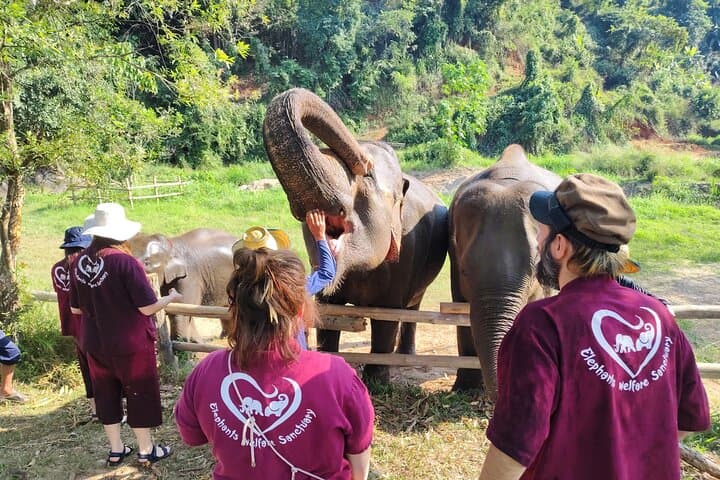
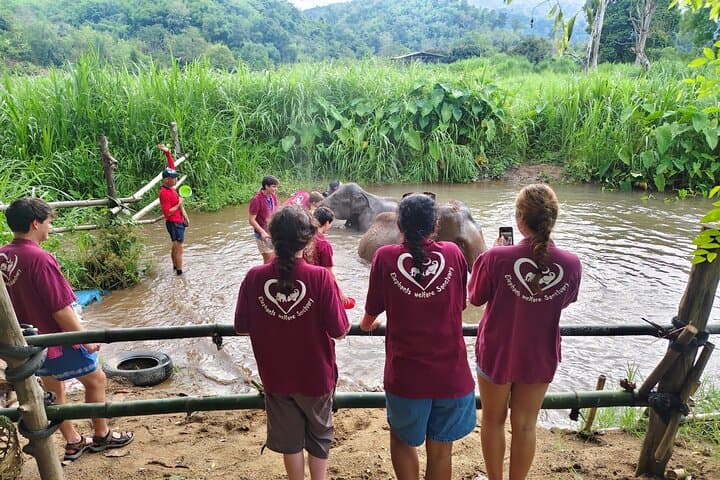
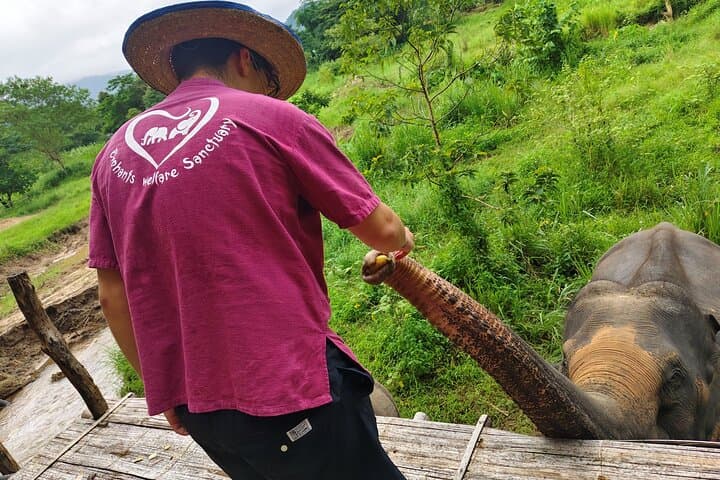
Select sanctuaries that prohibit riding and emphasize observation, feeding and bathing; ask about the elephants’ care standards and avoid venues with abusive practices.
Most tours include transfers between Chiang Mai and listed sites; confirm pickup point and schedule when booking and allow extra travel time for traffic.
No technical fitness is required; expect stair climbs at temples, short uneven trails at waterfalls, and brief hikes inside caves.
Yes—this package lists three meals and one night’s room in a local homestay; verify dietary needs and room type before arrival.
Chiang Mai was the capital of the Lanna Kingdom; its temples combine Lanna and Burmese influences visible in ornamentation and layout, reflecting centuries of trade and migration.
Support sanctuaries and local guides who follow ethical wildlife practices; stick to marked trails and avoid single-use plastics to limit impact on sensitive river and cave habitats.
Untouched Thailand operates guided outdoor trips and adventures with an emphasis on safety, stewardship, and memorable experiences.

You step off the busy Chiang Mai streets into a cooler, greener world — the road rises toward Doi Suthep and rice paddies fan out beneath a low, humid sky. Morning light hits the gold pagoda at Wat Phra That Doi Suthep; later the forest hushes you as you climb the limestone steps around Chiang Dao cave. Water at the sticky waterfalls tugs at your shoes like a playful hand; the Mae Tang river carries a slow, steady push on the bamboo raft.
You step off the busy Chiang Mai streets into a cooler, greener world — the road rises toward Doi Suthep and rice paddies fan out beneath a low, humid sky. Morning light hits the gold pagoda at Wat Phra That Doi Suthep; later the forest hushes you as you climb the limestone steps around Chiang Dao cave. Water at the sticky waterfalls tugs at your shoes like a playful hand; the Mae Tang river carries a slow, steady push on the bamboo raft.
This two-day itinerary threads cultural landmarks with natural features typical of northern Thailand: Lanna-style temples that reflect centuries of Chiang Mai’s role as a regional capital, karst limestone that formed the caves and pinnacles, and agricultural valleys shaped by rice cultivation. Encounters with local families at a teak homestay and visits to hill-tribe villages offer hands-on perspective on contemporary rural life and traditional crafts.
Expect a mix of short hikes, temple stairs and gentle river travel rather than technical climbing. Practicalities matter: the region gets hot and humid in the daytime and rains seasonally, so lightweight layers and waterproofs are useful. Bring insect repellent, modest clothing for temples, and a reusable water bottle — hydration and respectful behavior at elephant sanctuaries are essential. Morning visits to Doi Suthep or Wat Banden reduce crowds and heat; plan transport time between dispersed sites.
Overall, the trip balances accessible outdoor movement with meaningful cultural contact — an efficient two-day introduction to Chiang Mai’s temples, caves, rivers and countryside life.