THE ADVENTURE COLLECTIVE® · Independent discovery and booking for outdoor travel

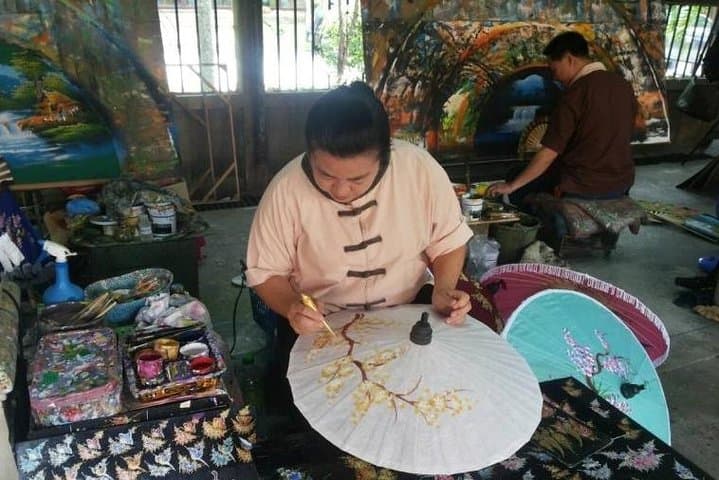
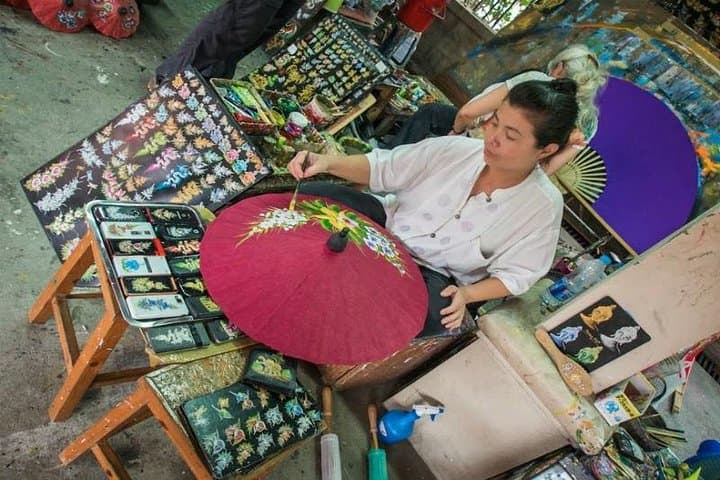
Spend a half-day in San Kamphaeng watching Thai silk weavers, umbrella painters, celadon kilns and teak carvers at work. This guided tour balances hands-on demonstrations with time to shop directly from local makers.
Spend a half-day in San Kamphaeng watching Thai silk weavers, umbrella painters, celadon kilns and teak carvers at work. This guided tour balances hands-on demonstrations with time to shop directly from local makers.
You step off the air-conditioned van into a long street where wood shavings, dye-stained fingers and the soft clack of handlooms mark the rhythm of a working place. Sunlight slants across painted umbrellas hung out to dry and the heat from a celadon kiln seems to breathe the past into the present.
Verified experiences and guided adventures in the surrounding area.
Operated by Asian Trails LTD · Chiang Mai, Chiang Mai Province
You step off the air-conditioned van into a long street where wood shavings, dye-stained fingers and the soft clack of handlooms mark the rhythm of a working place. Sunlight slants across painted umbrellas hung out to dry and the heat from a celadon kiln seems to breathe the past into the present.
San Kamphaeng and its surrounding workshops are rooted in northern Thailand’s Lanna craft traditions; celadon glazes echo techniques traced back to Sawankhalok and the Sukhothai era, while teak carving and silk weaving grew from village economies tied to nearby hills and forests. The geology of Chiang Mai’s plains — alluvial soils with red laterite pockets — supplied clay and timber that shaped local craft choices, and trade routes funneled ideas and materials through the centuries.
A practical half-day itinerary moves at a relaxed pace: guided visits to silk looms, umbrella painters, celadon kilns and teak workshops, with time to ask questions and buy directly from makers. Expect flat, paved streets and occasional dust near open yards; walking is easy but surfaces can be uneven.
Bring sun protection, small-denomination cash, and patience for demonstrations that run on handcrafted timing. Plan mornings to avoid the hottest hours and to see weavers at work, or late afternoons when light flatters painted surfaces. Bargain politely if buying, and prioritize pieces with clear provenance—this tour supports family-run studios and keeps traditional techniques alive.
easy.
3–4 hours.
Suitable for all fitness levels; requires light walking on flat village streets and short standing demonstrations.
Pickup is included for most downtown Chiang Mai hotels; areas outside the central district (Mae Rim, Hang Dong, etc.) may incur a surcharge or require a meet-up point.
Yes—workshops on the route sell pieces directly; prices may be lower than city shops and you can often see the maker’s signature techniques.
The tour is family-friendly; infants must sit on an adult’s lap during transportation and demonstrations may be less engaging for very young children.
Shared (seat-in-coach) tours include an English-speaking guide; private options can sometimes offer other languages on request.
Chiang Mai’s handicraft traditions grew under the Lanna kingdom and incorporate techniques influenced by Sawankhalok and Sukhothai ceramics; many family studios pass skills through generations.
Buying directly from makers supports small-scale craft economies; visitors should avoid plastic packaging and ask about sustainable timber sourcing for teak pieces.
Asian Trails LTD operates guided outdoor trips and adventures with an emphasis on safety, stewardship, and memorable experiences.
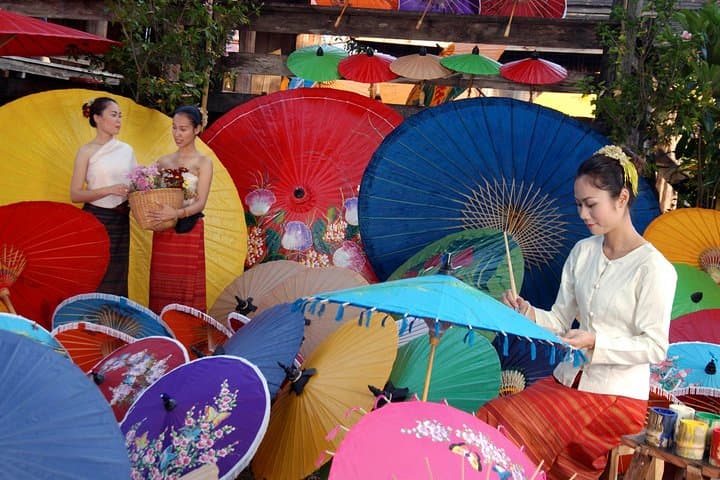

You step off the air-conditioned van into a long street where wood shavings, dye-stained fingers and the soft clack of handlooms mark the rhythm of a working place. Sunlight slants across painted umbrellas hung out to dry and the heat from a celadon kiln seems to breathe the past into the present.
You step off the air-conditioned van into a long street where wood shavings, dye-stained fingers and the soft clack of handlooms mark the rhythm of a working place. Sunlight slants across painted umbrellas hung out to dry and the heat from a celadon kiln seems to breathe the past into the present.
San Kamphaeng and its surrounding workshops are rooted in northern Thailand’s Lanna craft traditions; celadon glazes echo techniques traced back to Sawankhalok and the Sukhothai era, while teak carving and silk weaving grew from village economies tied to nearby hills and forests. The geology of Chiang Mai’s plains — alluvial soils with red laterite pockets — supplied clay and timber that shaped local craft choices, and trade routes funneled ideas and materials through the centuries.
A practical half-day itinerary moves at a relaxed pace: guided visits to silk looms, umbrella painters, celadon kilns and teak workshops, with time to ask questions and buy directly from makers. Expect flat, paved streets and occasional dust near open yards; walking is easy but surfaces can be uneven.
Bring sun protection, small-denomination cash, and patience for demonstrations that run on handcrafted timing. Plan mornings to avoid the hottest hours and to see weavers at work, or late afternoons when light flatters painted surfaces. Bargain politely if buying, and prioritize pieces with clear provenance—this tour supports family-run studios and keeps traditional techniques alive.