THE ADVENTURE COLLECTIVE® · Independent discovery and booking for outdoor travel

Step into a working Thai rice paddy near Mae Win for a hands-on half-day of planting, pounding, and steaming sticky rice. This immersive activity pairs practical farm labor with cultural insight—ideal for travelers seeking an authentic rural experience outside Chiang Mai.
Step into a working Thai rice paddy near Mae Win for a hands-on half-day of planting, pounding, and steaming sticky rice. This immersive activity pairs practical farm labor with cultural insight—ideal for travelers seeking an authentic rural experience outside Chiang Mai.
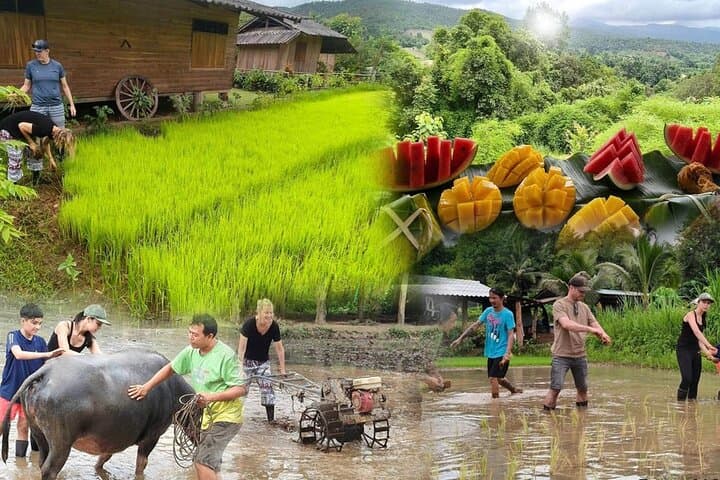
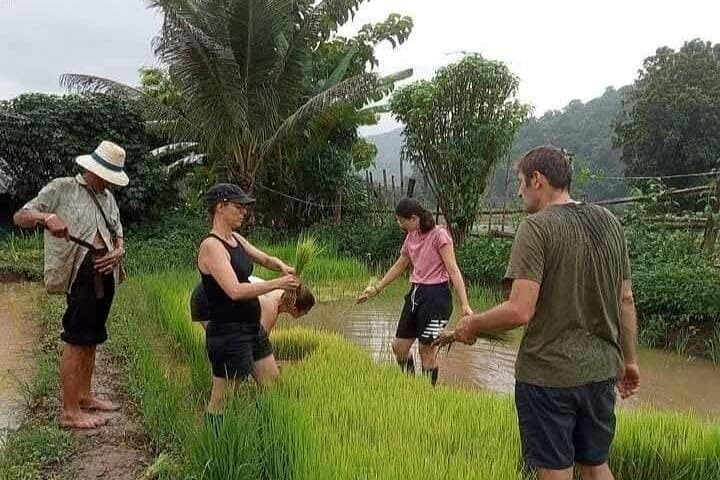
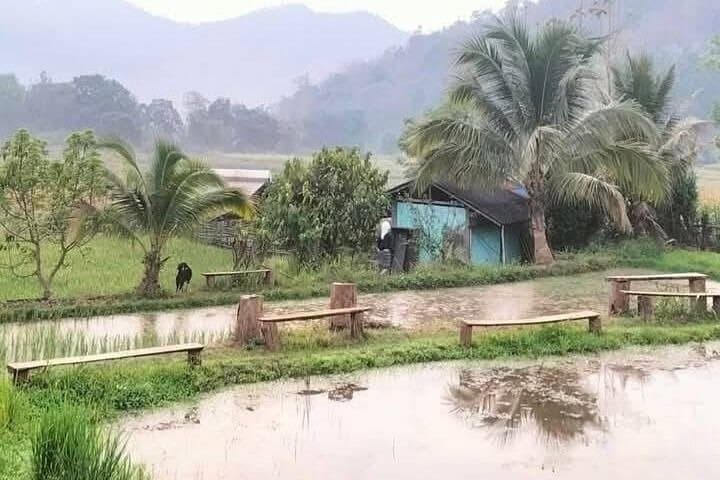
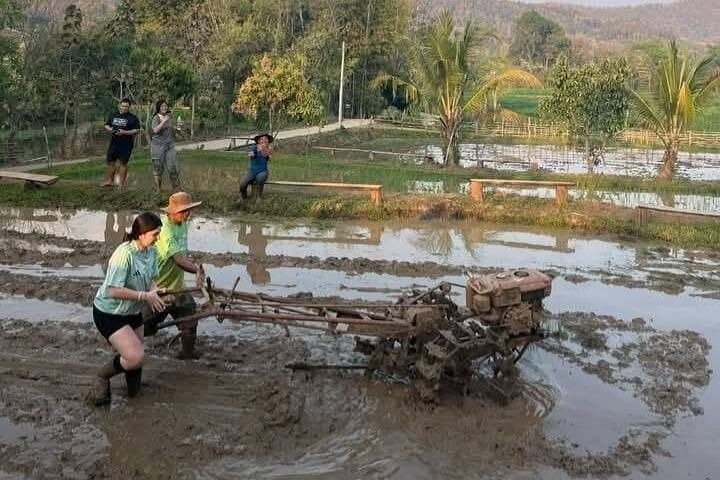
Muddy water rises to your calves as you step into a sun-warmed paddy below the foothills of Doi Mae Sapok. Rice seedlings—bright green and trembling—wait to be planted in neat rows while local farmers call out rhythms that steady your hands. The air carries the scent of wet earth and steamed sticky rice being prepared in a nearby kitchen.
Verified experiences and guided adventures in the surrounding area.
Operated by Trips Chiang Mai · Chiang Mai, Chiang Mai Province
Muddy water rises to your calves as you step into a sun-warmed paddy below the foothills of Doi Mae Sapok. Rice seedlings—bright green and trembling—wait to be planted in neat rows while local farmers call out rhythms that steady your hands. The air carries the scent of wet earth and steamed sticky rice being prepared in a nearby kitchen.
Thailand’s wet-rice agriculture has shaped northern communities for centuries; terraces and lowland paddies around Chiang Mai follow irrigation patterns set by traditional village commons. The geology here is gentle—folded hills of volcanic and sedimentary rock feeding streams that make farming possible at lower elevations. Culturally, rice is central: planting and harvest are both practical labors and communal rites tied to Buddhist calendars and local festivities.
On this half-day program you’ll learn each step—pounding, transplanting seedlings, and steaming sticky rice—guided by farmers who explain tools, yields, and seasonal timing. Expect hands-on work rather than passive observation: bring sturdy shoes, be ready to get dirty, and leave with a clearer sense of how rice moves from field to table.
Practical tips: arrive early to avoid midday heat, confirm the season for planting vs harvest, and accept the provided traditional clothing for photos and comfort in the mud. The experience suits families and curious travelers looking for a short, grounded cultural exchange outside Chiang Mai city.
easy.
5–6 hours.
Suitable for anyone who can stand and walk through muddy, uneven ground for short periods; not strenuous but involves bending and squatting.
It’s easy to moderate—tasks involve standing, squatting, and walking in mud for short periods; the pace is set by the group and guides.
Families are welcome; infants must sit on an adult’s lap and younger children should be supervised in the paddies.
Wear clothes you don’t mind getting muddy; traditional farmer clothing and basic tools are provided on-site for comfort and photos.
Shared hotel pick-up and drop-off within a 5 km radius of the Three Kings Monument is included; confirm pickup details and WhatsApp contact when booking.
Wet-rice cultivation in northern Thailand has been practiced for centuries and remains central to village identity and seasonal festivals.
Support small farms by following leave-no-trace in paddies, avoiding single-use plastics, and respecting water sources used for irrigation.
Trips Chiang Mai operates guided outdoor trips and adventures with an emphasis on safety, stewardship, and memorable experiences.
Muddy water rises to your calves as you step into a sun-warmed paddy below the foothills of Doi Mae Sapok. Rice seedlings—bright green and trembling—wait to be planted in neat rows while local farmers call out rhythms that steady your hands. The air carries the scent of wet earth and steamed sticky rice being prepared in a nearby kitchen.
Muddy water rises to your calves as you step into a sun-warmed paddy below the foothills of Doi Mae Sapok. Rice seedlings—bright green and trembling—wait to be planted in neat rows while local farmers call out rhythms that steady your hands. The air carries the scent of wet earth and steamed sticky rice being prepared in a nearby kitchen.
Thailand’s wet-rice agriculture has shaped northern communities for centuries; terraces and lowland paddies around Chiang Mai follow irrigation patterns set by traditional village commons. The geology here is gentle—folded hills of volcanic and sedimentary rock feeding streams that make farming possible at lower elevations. Culturally, rice is central: planting and harvest are both practical labors and communal rites tied to Buddhist calendars and local festivities.
On this half-day program you’ll learn each step—pounding, transplanting seedlings, and steaming sticky rice—guided by farmers who explain tools, yields, and seasonal timing. Expect hands-on work rather than passive observation: bring sturdy shoes, be ready to get dirty, and leave with a clearer sense of how rice moves from field to table.
Practical tips: arrive early to avoid midday heat, confirm the season for planting vs harvest, and accept the provided traditional clothing for photos and comfort in the mud. The experience suits families and curious travelers looking for a short, grounded cultural exchange outside Chiang Mai city.