THE ADVENTURE COLLECTIVE® · Independent discovery and booking for outdoor travel

Explore a local Chiang Mai market, choose fresh ingredients, then learn hands-on at your own wok station. This half-day evening class blends market culture, Lanna flavors and practical techniques for cooks of all levels.
Explore a local Chiang Mai market, choose fresh ingredients, then learn hands-on at your own wok station. This half-day evening class blends market culture, Lanna flavors and practical techniques for cooks of all levels.
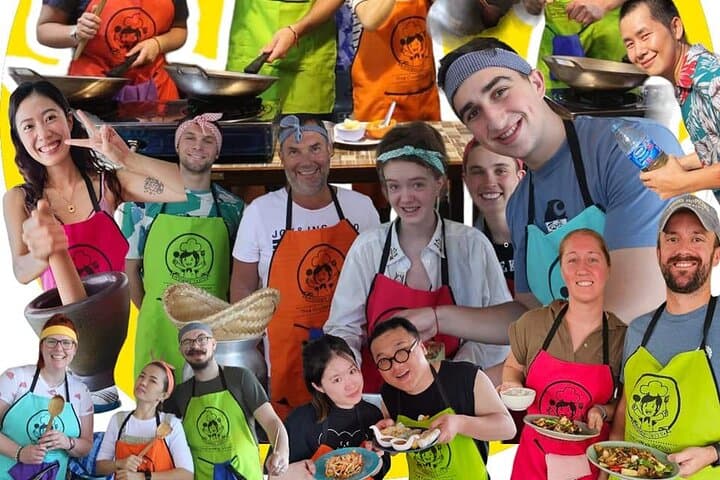
The evening air in Chiang Mai thickens with chili smoke and sweet tamarind as you step from streetlight into the cramped, humming lanes of a local market. Vendors call out over clinking metal and the scent of citrus; a guide points out a bundle of galangal, and you shoulder a basket of produce that will become your dinner. Later, under warm studio lights, a wok hisses and the instructor moves beside you, correcting a stir, nudging a knife posture, coaxing more aroma from a basil leaf.
Verified experiences and guided adventures in the surrounding area.
Operated by Yummy Tasty Thai Cooking School · Chiang Mai, Chiang Mai
The evening air in Chiang Mai thickens with chili smoke and sweet tamarind as you step from streetlight into the cramped, humming lanes of a local market. Vendors call out over clinking metal and the scent of citrus; a guide points out a bundle of galangal, and you shoulder a basket of produce that will become your dinner. Later, under warm studio lights, a wok hisses and the instructor moves beside you, correcting a stir, nudging a knife posture, coaxing more aroma from a basil leaf.
Chiang Mai sits on the Ping River plain beneath the Doi Suthep massif and the region’s food reflects centuries of Lanna influence, Burmese trade, and locally raised rice and herbs. Markets here are living archives: pickled vegetables, tiny river fish, and fragrant curry pastes tell a pragmatic culinary history as much as a cultural one.
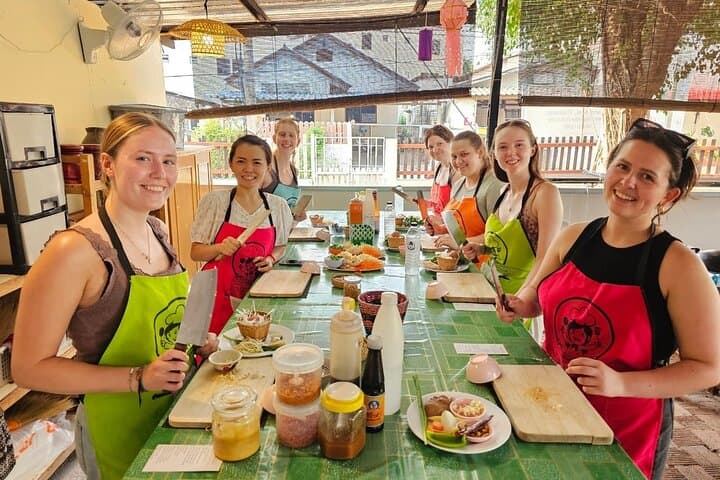
Expect a market walk, a hands-on cooking session at an individual wok station, a short lesson in balancing sweet, sour and spicy, and recipes you can take home. The class emphasizes fresh ingredients common in northern Thai cooking—lemongrass, makrut lime leaves, galangal—and practical techniques like controlled high-heat stir-frying and tamping curry pastes by hand.
Practical notes: the class is half-day (about four hours), includes hotel pickup within a small radius, and is suited to anyone comfortable standing and handling basic knives. Bring closed-toe shoes, plan for cash for small market purchases, inform the operator of allergies before arrival, and arrive ready to taste and learn—this evening is tactile, noisy and delicious.
easy.
4 hours.
Light: able to stand and move for several hours; no special fitness required.
Yes—advise dietary needs when booking and again on arrival; the instructor can modify many dishes but items like fish sauce and shrimp paste are common.
Hotel pickup and drop-off are often included within a limited radius (typically around 3 km from Kom Market); confirm your pickup point when booking.
Most classes are conducted in English with local instructors experienced in teaching foreigners; ask ahead if you need translation or a private lesson.
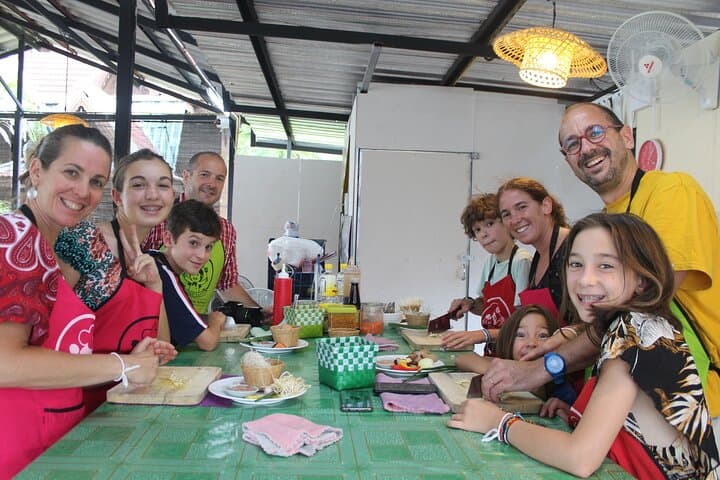
Each participant usually gets an individual cooking station and wok to prepare dishes with instructor guidance—expect practical, step-by-step involvement.
Chiang Mai was the heart of the Lanna Kingdom; northern Thai cuisine preserves distinct techniques and ingredients shaped by regional trade and mountain agriculture.
Locally run cooking schools often source from small vendors—reducing single-use plastics and buying local produce supports market livelihoods and lowers food miles.
Yummy Tasty Thai Cooking School operates guided outdoor trips and adventures with an emphasis on safety, stewardship, and memorable experiences.
The evening air in Chiang Mai thickens with chili smoke and sweet tamarind as you step from streetlight into the cramped, humming lanes of a local market. Vendors call out over clinking metal and the scent of citrus; a guide points out a bundle of galangal, and you shoulder a basket of produce that will become your dinner. Later, under warm studio lights, a wok hisses and the instructor moves beside you, correcting a stir, nudging a knife posture, coaxing more aroma from a basil leaf.
The evening air in Chiang Mai thickens with chili smoke and sweet tamarind as you step from streetlight into the cramped, humming lanes of a local market. Vendors call out over clinking metal and the scent of citrus; a guide points out a bundle of galangal, and you shoulder a basket of produce that will become your dinner. Later, under warm studio lights, a wok hisses and the instructor moves beside you, correcting a stir, nudging a knife posture, coaxing more aroma from a basil leaf.
Chiang Mai sits on the Ping River plain beneath the Doi Suthep massif and the region’s food reflects centuries of Lanna influence, Burmese trade, and locally raised rice and herbs. Markets here are living archives: pickled vegetables, tiny river fish, and fragrant curry pastes tell a pragmatic culinary history as much as a cultural one.
Expect a market walk, a hands-on cooking session at an individual wok station, a short lesson in balancing sweet, sour and spicy, and recipes you can take home. The class emphasizes fresh ingredients common in northern Thai cooking—lemongrass, makrut lime leaves, galangal—and practical techniques like controlled high-heat stir-frying and tamping curry pastes by hand.
Practical notes: the class is half-day (about four hours), includes hotel pickup within a small radius, and is suited to anyone comfortable standing and handling basic knives. Bring closed-toe shoes, plan for cash for small market purchases, inform the operator of allergies before arrival, and arrive ready to taste and learn—this evening is tactile, noisy and delicious.