THE ADVENTURE COLLECTIVE® · Independent discovery and booking for outdoor travel

Spend a full day in northern Thailand observing elephants in a camp that emphasizes hands-off, educational encounters. This tour pairs cultural exchange with the Karen community and guided, low-impact interactions like feeding and river bathing.
Spend a full day in northern Thailand observing elephants in a camp that emphasizes hands-off, educational encounters. This tour pairs cultural exchange with the Karen community and guided, low-impact interactions like feeding and river bathing.
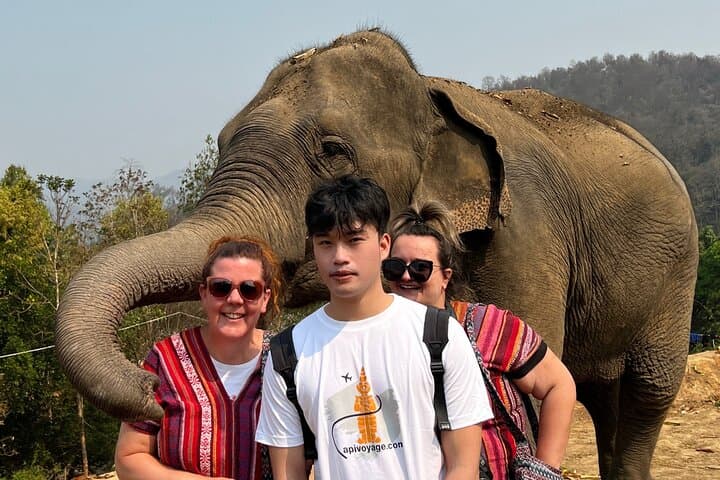
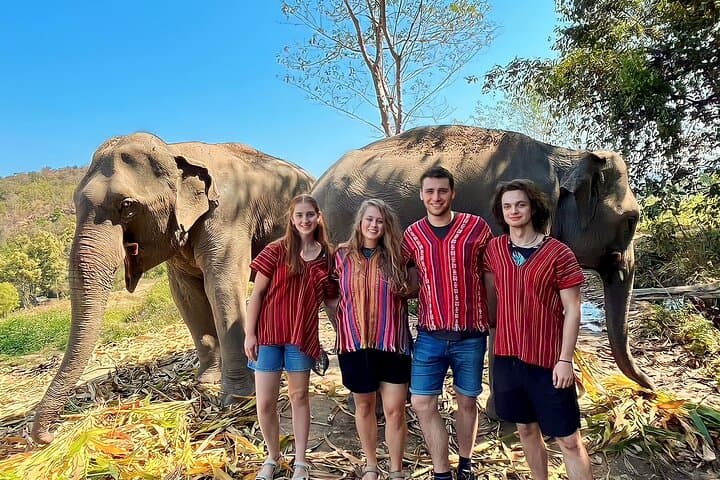
Morning mist lifts off the paddy fields as your air-conditioned vehicle peels away from Chiang Mai’s city grid, the road pointing toward teak forests and the low ridges where Karen hill-tribe communities tend the land. By midmorning the trees close in; the river ahead glares like a ribbon daring you to step closer. At the camp, guides meet you with a calm briefing and traditional clothing—an invitation to witness elephants behaving like elephants, not props.
Verified experiences and guided adventures in the surrounding area.
Operated by Apivoyage · Chiang Mai, Chiang Mai Province
Morning mist lifts off the paddy fields as your air-conditioned vehicle peels away from Chiang Mai’s city grid, the road pointing toward teak forests and the low ridges where Karen hill-tribe communities tend the land. By midmorning the trees close in; the river ahead glares like a ribbon daring you to step closer. At the camp, guides meet you with a calm briefing and traditional clothing—an invitation to witness elephants behaving like elephants, not props.
Northern Thailand’s landscape is carved from volcanic rock and alluvial plains, shaped by seasonal rivers that feed the region’s rice and forest. The Karen people have lived here for generations, and many camps pair cultural exchange with wildlife care—sharing songs, weaving techniques, and meals while emphasizing respect for animals.
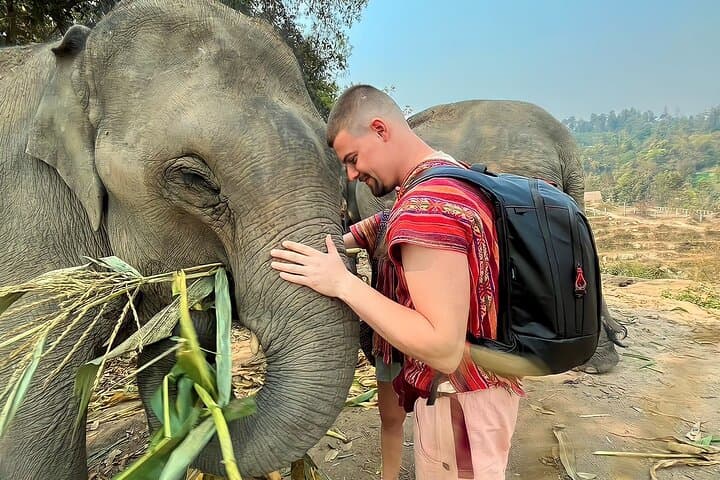
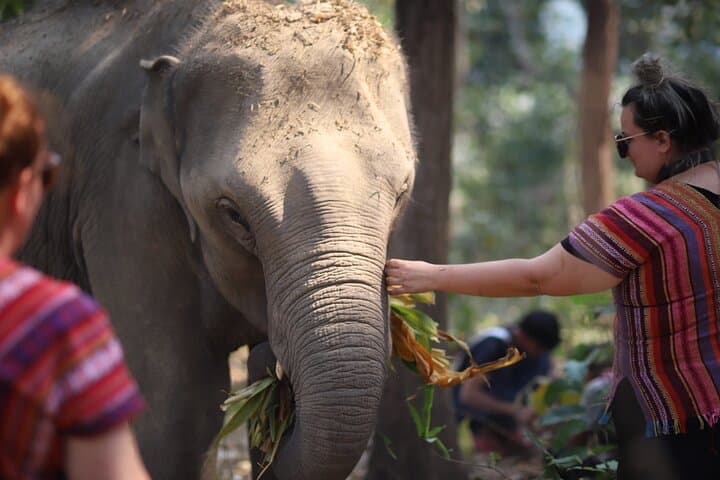
This one-day excursion focuses on observation and non-invasive interaction: feeding, supervised bathing, and a mud spa that elephants seek for skin and cooling. Expect light walking on uneven, sometimes muddy trails, riverbanks that deepen after rains, and plenty of close-range photographic opportunities. Guides explain elephant behavior, diet (they eat roughly a third of their body weight daily), and conservation challenges like habitat loss and tourism pressures.
Practical notes: plan for a full day—pickup early, return late afternoon. Wear quick-dry clothing and water shoes for river time, bring sunscreen and insect repellent, and carry a refillable water bottle. Respect the animals’ space; follow guide instructions during any approach or feeding. With thoughtful preparation, the day delivers both insight and memorable wildlife moments without compromising animal welfare.
easy.
8 hours.
Suitable for travelers in basic physical condition; involves light walking on uneven terrain and standing during feedings.
No—this eco-focused excursion emphasizes hands-off care, feeding, mud spa, and river bathing rather than riding.
The transfer is typically about 1–1.5 hours each way, depending on the camp’s location and traffic conditions.
Yes—children are welcome, but all guests must follow guide safety rules; disclose ages during booking for appropriate supervision.
Wear quick-dry clothes or a swimsuit under light clothing and secure water shoes; avoid loose jewelry and white garments that show mud easily.
The region around Chiang Mai has long been home to upland hill-tribe communities and forest-dependent livelihoods; working camps often combine cultural exchange with newer conservation-focused tourism.
Choose operators that prohibit riding and support elephant care programs; responsible visits reduce stress on animals and fund habitat and vet care.
Apivoyage operates guided outdoor trips and adventures with an emphasis on safety, stewardship, and memorable experiences.
Morning mist lifts off the paddy fields as your air-conditioned vehicle peels away from Chiang Mai’s city grid, the road pointing toward teak forests and the low ridges where Karen hill-tribe communities tend the land. By midmorning the trees close in; the river ahead glares like a ribbon daring you to step closer. At the camp, guides meet you with a calm briefing and traditional clothing—an invitation to witness elephants behaving like elephants, not props.
Morning mist lifts off the paddy fields as your air-conditioned vehicle peels away from Chiang Mai’s city grid, the road pointing toward teak forests and the low ridges where Karen hill-tribe communities tend the land. By midmorning the trees close in; the river ahead glares like a ribbon daring you to step closer. At the camp, guides meet you with a calm briefing and traditional clothing—an invitation to witness elephants behaving like elephants, not props.
Northern Thailand’s landscape is carved from volcanic rock and alluvial plains, shaped by seasonal rivers that feed the region’s rice and forest. The Karen people have lived here for generations, and many camps pair cultural exchange with wildlife care—sharing songs, weaving techniques, and meals while emphasizing respect for animals.
This one-day excursion focuses on observation and non-invasive interaction: feeding, supervised bathing, and a mud spa that elephants seek for skin and cooling. Expect light walking on uneven, sometimes muddy trails, riverbanks that deepen after rains, and plenty of close-range photographic opportunities. Guides explain elephant behavior, diet (they eat roughly a third of their body weight daily), and conservation challenges like habitat loss and tourism pressures.
Practical notes: plan for a full day—pickup early, return late afternoon. Wear quick-dry clothing and water shoes for river time, bring sunscreen and insect repellent, and carry a refillable water bottle. Respect the animals’ space; follow guide instructions during any approach or feeding. With thoughtful preparation, the day delivers both insight and memorable wildlife moments without compromising animal welfare.