THE ADVENTURE COLLECTIVE® · Independent discovery and booking for outdoor travel

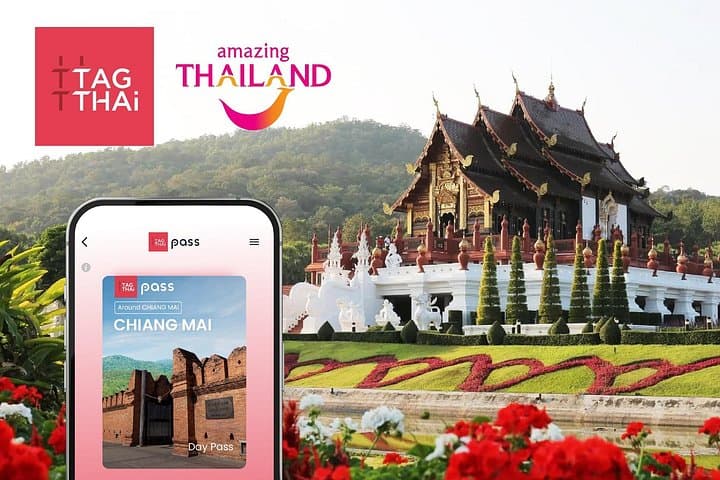
See Chiang Mai’s highlights in a single, flexible 24‑hour pass—temples, craft workshops, food stops and a two‑hour Mae Ping river cruise. Perfect for travelers who want efficient access to culture, cuisine, and a riverside perspective of northern Thailand.
See Chiang Mai’s highlights in a single, flexible 24‑hour pass—temples, craft workshops, food stops and a two‑hour Mae Ping river cruise. Perfect for travelers who want efficient access to culture, cuisine, and a riverside perspective of northern Thailand.
A morning mist lifts off the Mae Ping as a longtail cuts a clean line through the water, ferrying you away from traffic and temple bells into green rice paddies and riverside communities.
Verified experiences and guided adventures in the surrounding area.
Operated by TAGTHAi · Chiang Mai, Chiang Mai Province
A morning mist lifts off the Mae Ping as a longtail cuts a clean line through the water, ferrying you away from traffic and temple bells into green rice paddies and riverside communities.
This 24-hour city pass stitches together Chiang Mai’s urban heart with a quieter, agrarian fringe: royal gardens and museums in the old city, craft workshops in artisan lanes, and a two-hour river cruise that hints at how the Ping shaped settlement and trade here. The region sits on fertile alluvium fed by tributaries from the highlands; its geography and the Lanna Kingdom’s cultural reach explain Chiang Mai’s cluster of wooden temples, markets, and food traditions like khao soi.
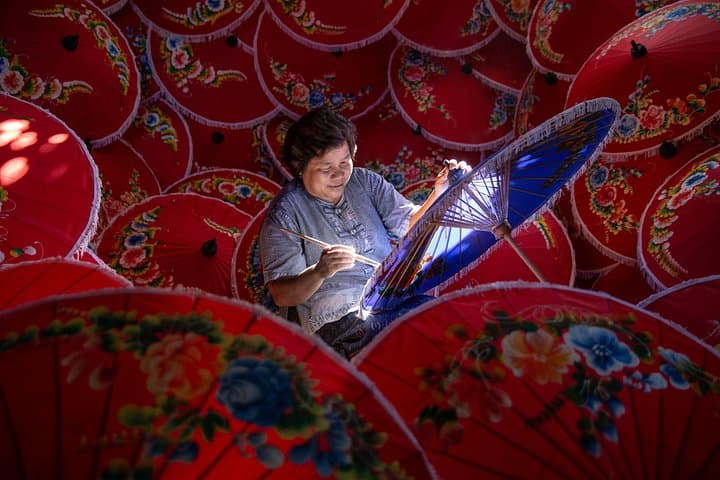
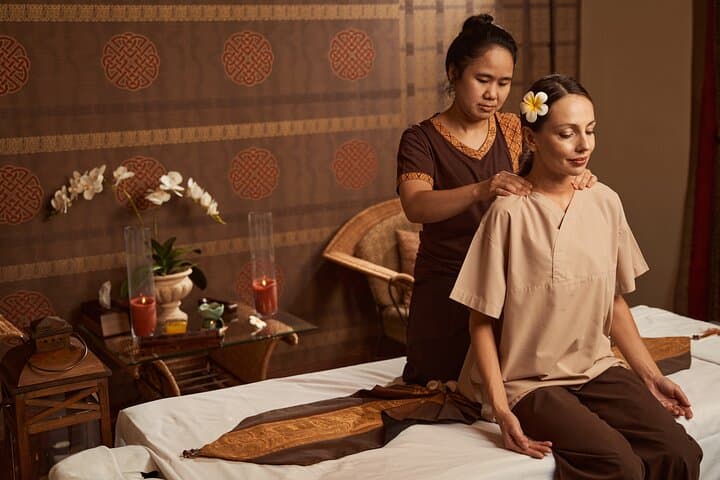
Culturally curious travelers will appreciate puppet and umbrella makers, massage houses rooted in traditional Thai techniques, and evening entertainment ranging from contemporary cabaret to mellow riverside cafés. The river itself nudges conversation about conservation—local groups run cleanups and riverside farms still follow seasonal cycles.
Practical guide: activate the pass on the provider’s app, book reserve-only sites ahead (shows, popular restaurants, costume rentals), and plan a leisurely river cruise mid-afternoon to avoid heat and catch golden light. Walkable neighborhoods and short rides between sites make the pass efficient; expect heavy foot traffic at temple clusters and dress respectfully for religious sites. Bring a charged phone (for digital tickets), light rain protection in the wet season, and comfortable shoes—the pass is designed for anyone comfortable with several short urban outings in a day.
easy.
24 hours.
Suitable for most fitness levels; expect moderate walking on flat urban streets and short transfers.
After purchase you’ll receive a voucher code by email; download the TAGTHAi app, redeem the code, and show the digital pass at each venue.
Yes—the pass includes a curated two-hour Mae Ping river cruise option; check the app for departure jetties and times.
The pass offers 24 hours of unlimited access after activation and can be activated any time within 365 days of purchase.
The pass notes stroller and wheelchair accessibility for many venues, but individual attractions may have limits—check the app and reserve in advance if needed.
Chiang Mai grew as the Lanna Kingdom’s capital; the Ping River was its lifeline for agriculture and trade, shaping local crafts and cuisine.
Riverside cleanups and NGO projects focus on pollution reduction and sustainable tourism; visitors are encouraged to avoid single-use plastics and respect riverbank farms.
TAGTHAi operates guided outdoor trips and adventures with an emphasis on safety, stewardship, and memorable experiences.

A morning mist lifts off the Mae Ping as a longtail cuts a clean line through the water, ferrying you away from traffic and temple bells into green rice paddies and riverside communities.
A morning mist lifts off the Mae Ping as a longtail cuts a clean line through the water, ferrying you away from traffic and temple bells into green rice paddies and riverside communities.
This 24-hour city pass stitches together Chiang Mai’s urban heart with a quieter, agrarian fringe: royal gardens and museums in the old city, craft workshops in artisan lanes, and a two-hour river cruise that hints at how the Ping shaped settlement and trade here. The region sits on fertile alluvium fed by tributaries from the highlands; its geography and the Lanna Kingdom’s cultural reach explain Chiang Mai’s cluster of wooden temples, markets, and food traditions like khao soi.
Culturally curious travelers will appreciate puppet and umbrella makers, massage houses rooted in traditional Thai techniques, and evening entertainment ranging from contemporary cabaret to mellow riverside cafés. The river itself nudges conversation about conservation—local groups run cleanups and riverside farms still follow seasonal cycles.
Practical guide: activate the pass on the provider’s app, book reserve-only sites ahead (shows, popular restaurants, costume rentals), and plan a leisurely river cruise mid-afternoon to avoid heat and catch golden light. Walkable neighborhoods and short rides between sites make the pass efficient; expect heavy foot traffic at temple clusters and dress respectfully for religious sites. Bring a charged phone (for digital tickets), light rain protection in the wet season, and comfortable shoes—the pass is designed for anyone comfortable with several short urban outings in a day.