THE ADVENTURE COLLECTIVE® · Independent discovery and booking for outdoor travel

Spend a full day in Chiang Mai’s highlands learning how forest-grown Arabica is tended, roasted over fire, and brewed with a V60 alongside Karen hosts. This hands-on tour blends a jungle walk, a farm-to-table lunch, and a practical roasting workshop.
Spend a full day in Chiang Mai’s highlands learning how forest-grown Arabica is tended, roasted over fire, and brewed with a V60 alongside Karen hosts. This hands-on tour blends a jungle walk, a farm-to-table lunch, and a practical roasting workshop.
Dawn breaks over the highland road as the van peels away from Chiang Mai’s old city and the asphalt gives up to rutted dirt. After an hour and a half of climbing, the vehicle trades speed for a 4WD scramble that feels like the land is testing your arrival. You step into a living coffee forest—trees, shade, and coffee plants growing among native canopy—and the air smells faintly of damp earth and green cherry.
Verified experiences and guided adventures in the surrounding area.
Operated by Chiang Mai Hill-tribe Coffee tour · Chiang Mai, Chiang Mai Province
Dawn breaks over the highland road as the van peels away from Chiang Mai’s old city and the asphalt gives up to rutted dirt. After an hour and a half of climbing, the vehicle trades speed for a 4WD scramble that feels like the land is testing your arrival. You step into a living coffee forest—trees, shade, and coffee plants growing among native canopy—and the air smells faintly of damp earth and green cherry.
This region of northern Thailand has long been home to Karen hill communities who combined shifting cultivation with forest stewardship. Coffee here is an agroforestry crop: roots anchored in volcanic soils and monsoon moisture, beans ripening under shade rather than in rows. Geology matters—uplifted volcanic foothills give drainage and mineral profiles that shape cup notes—while culture shapes harvest and processing methods passed between generations.
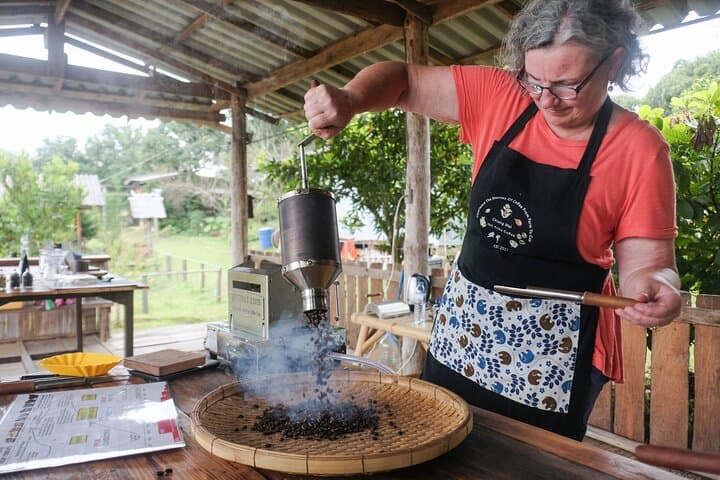
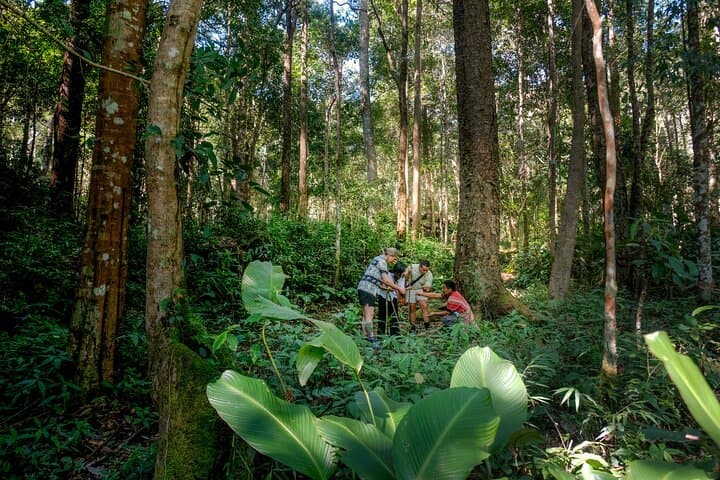
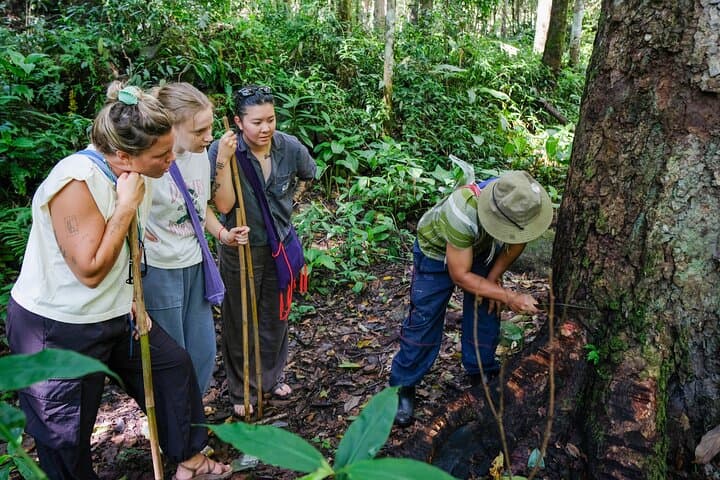
The day tour pairs a 50–60 minute interpretive walk with a hands-on roasting and V60 brewing workshop. You’ll fire-roast green beans over coals, test extraction ratios, and taste how forest-grown Arabica carries clearer acidity and herbal backnotes. Expect candid exchanges: host stories, simple farm-to-table vegetarian lunch, and practical demos rather than staged performances.
Practical guide: plan for a long day (10–11 hours), wear closed-toe shoes with traction for uneven jungle trails, bring a light rain shell and insect repellent, and carry extra water. Respect local customs—ask before photographing people—and know the experience supports small-scale, community-run coffee production.
moderate.
10–11 hours.
Moderate fitness: you should be comfortable walking 1–2 miles on uneven terrain and handling short uphill sections.
Yes—pickup and drop-off are included within a 3 km radius of Chiang Mai Old City; exact pickup time is between 7:00–7:30 AM.
The walk is 50–60 minutes over uneven jungle trails with modest elevation change; it’s rated moderate and requires steady footing.
The lunch is plant-based; hosts can often accommodate common dietary restrictions with advance notice—list needs during booking.
Yes—you roast a small batch over coals and can take your roasted beans home as an edible souvenir.
Karen communities have cultivated upland plots for generations; coffee became an integrated shade-crop in the 20th century, blending local practices with introduced Arabica varieties.
This tour supports community-based, agroforestry coffee that maintains shade canopy and biodiversity; minimize single-use plastics and follow local guidance to reduce impact.
Chiang Mai Hill-tribe Coffee tour operates guided outdoor trips and adventures with an emphasis on safety, stewardship, and memorable experiences.
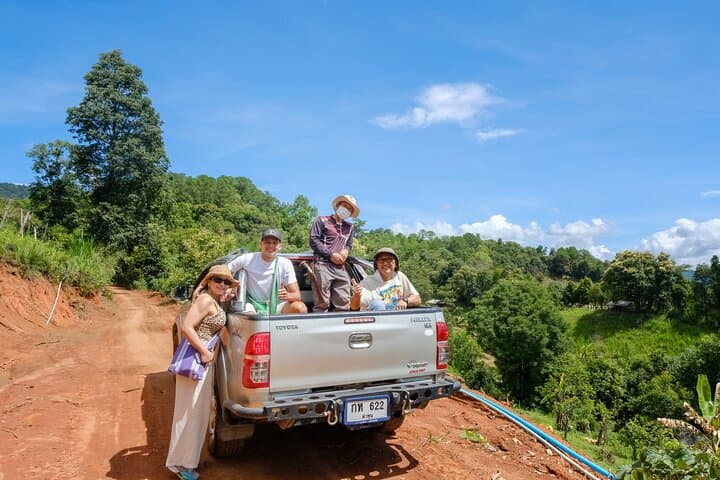
Dawn breaks over the highland road as the van peels away from Chiang Mai’s old city and the asphalt gives up to rutted dirt. After an hour and a half of climbing, the vehicle trades speed for a 4WD scramble that feels like the land is testing your arrival. You step into a living coffee forest—trees, shade, and coffee plants growing among native canopy—and the air smells faintly of damp earth and green cherry.
Dawn breaks over the highland road as the van peels away from Chiang Mai’s old city and the asphalt gives up to rutted dirt. After an hour and a half of climbing, the vehicle trades speed for a 4WD scramble that feels like the land is testing your arrival. You step into a living coffee forest—trees, shade, and coffee plants growing among native canopy—and the air smells faintly of damp earth and green cherry.
This region of northern Thailand has long been home to Karen hill communities who combined shifting cultivation with forest stewardship. Coffee here is an agroforestry crop: roots anchored in volcanic soils and monsoon moisture, beans ripening under shade rather than in rows. Geology matters—uplifted volcanic foothills give drainage and mineral profiles that shape cup notes—while culture shapes harvest and processing methods passed between generations.
The day tour pairs a 50–60 minute interpretive walk with a hands-on roasting and V60 brewing workshop. You’ll fire-roast green beans over coals, test extraction ratios, and taste how forest-grown Arabica carries clearer acidity and herbal backnotes. Expect candid exchanges: host stories, simple farm-to-table vegetarian lunch, and practical demos rather than staged performances.
Practical guide: plan for a long day (10–11 hours), wear closed-toe shoes with traction for uneven jungle trails, bring a light rain shell and insect repellent, and carry extra water. Respect local customs—ask before photographing people—and know the experience supports small-scale, community-run coffee production.