THE ADVENTURE COLLECTIVE® · Independent discovery and booking for outdoor travel

Spend an afternoon observing elephants roam, mud-bathe, and forage at an ethical sanctuary outside Chiang Mai. This half-day experience focuses on guided observation, short forest walks, and learning about elephant behavior and conservation.
Spend an afternoon observing elephants roam, mud-bathe, and forage at an ethical sanctuary outside Chiang Mai. This half-day experience focuses on guided observation, short forest walks, and learning about elephant behavior and conservation.
A late-afternoon light slants through tall Dipterocarp and bamboo as you step from an air-conditioned van onto soft forest soil. The herd is already moving: trunks probing the undergrowth, ears flicking like sails. You follow on foot for four to five hours, an observer more than an intruder, watching elephants mud-bathe, forage, and interact with one another while guides point out individual histories and behaviors.
Verified experiences and guided adventures in the surrounding area.
Operated by Elephants Observation · Chiang Mai, Chiang Mai
A late-afternoon light slants through tall Dipterocarp and bamboo as you step from an air-conditioned van onto soft forest soil. The herd is already moving: trunks probing the undergrowth, ears flicking like sails. You follow on foot for four to five hours, an observer more than an intruder, watching elephants mud-bathe, forage, and interact with one another while guides point out individual histories and behaviors.
Northern Thailand’s landscape was shaped by tectonic uplift and erosion; the ridges and river valleys around Chiang Mai fed a logging economy that once depended on elephants as working partners. Today, sanctuaries like Eve79 reflect a cultural shift toward rehabilitation and community-based care — a local response to declining wild populations and changing livelihoods.
Expect a drive of roughly 1–1.5 hours from Chiang Mai through rice paddies, banana groves, and occasional teak stands before hiking light forest paths alongside the animals. The geology shows itself in laterite soils and shallow streams that the elephants favor for cooling off; culturally, the guides’ stories often tie individual elephants to former mahouts and village life.
Practically: wear sturdy closed-toe shoes, bring sun protection and insect repellent, and pack a small waterproof layer for sudden tropical showers. The experience includes a guided feeding and a simple local meal; there are no rides or performances. Physically the walk is easy-paced but on uneven terrain, so move deliberately and listen to guides. This is an immersive observation visit that prioritizes the animals’ routines and supports local conservation initiatives — arrive curious, quiet, and prepared to learn.
easy.
4–5 hours.
Suitable for most fitness levels; requires several hours of slow walking on uneven forest trails and short periods standing.
No — this tour is observation-focused; there are no riding or staged performances, and activities center on natural behaviors like feeding and mud-bathing.
Yes; the pace is gentle and suitable for most ages, but participants with mobility issues should note uneven terrain and discuss accessibility with the operator before booking.
Bottled water and a local dinner (tea/coffee included) are provided at the sanctuary as part of the itinerary.
Guides supervise limited, safe interactions such as offering supplements by hand; touching is allowed only under guide direction to ensure welfare and safety.
Elephants in northern Thailand were historically used in logging and agriculture; over the past decades many programs have transitioned to rescue, rehabilitation, and community-centered care.
The sanctuary emphasizes non-exploitative observation and supports local livelihoods; visitors should minimize plastic waste, stay on marked paths, and follow guide rules to reduce stress on animals.
Elephants Observation operates guided outdoor trips and adventures with an emphasis on safety, stewardship, and memorable experiences.
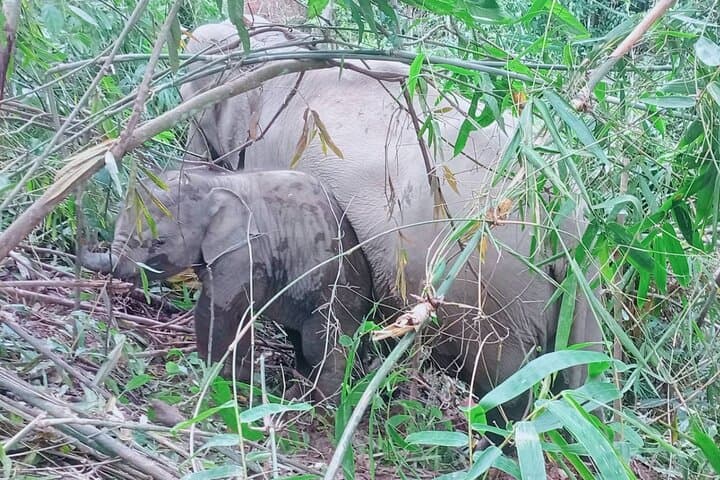
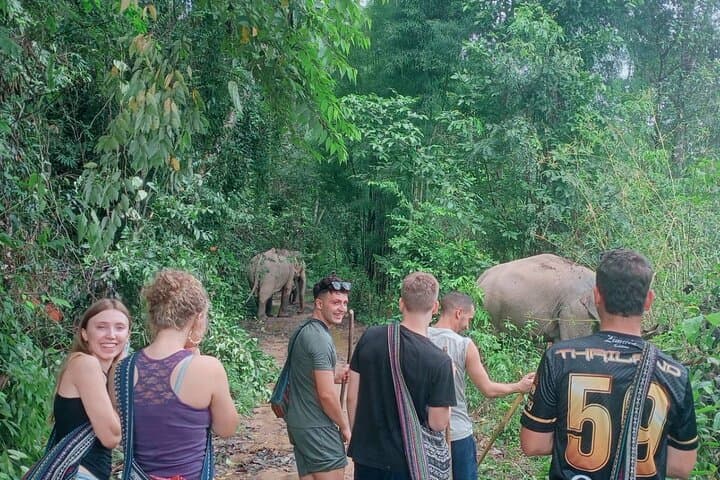
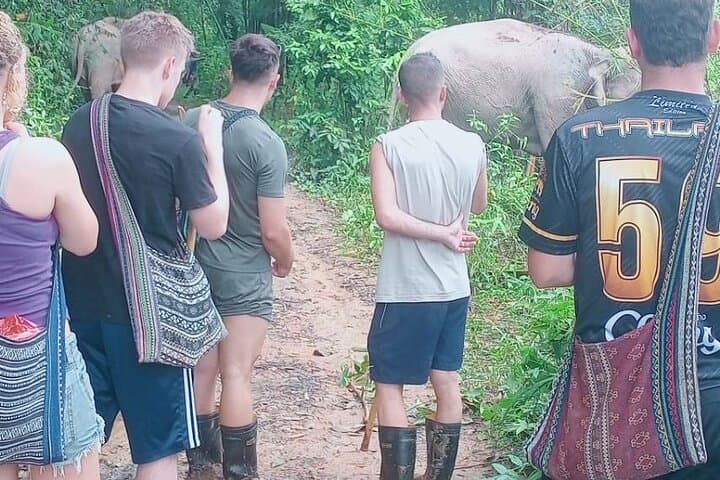

A late-afternoon light slants through tall Dipterocarp and bamboo as you step from an air-conditioned van onto soft forest soil. The herd is already moving: trunks probing the undergrowth, ears flicking like sails. You follow on foot for four to five hours, an observer more than an intruder, watching elephants mud-bathe, forage, and interact with one another while guides point out individual histories and behaviors.
A late-afternoon light slants through tall Dipterocarp and bamboo as you step from an air-conditioned van onto soft forest soil. The herd is already moving: trunks probing the undergrowth, ears flicking like sails. You follow on foot for four to five hours, an observer more than an intruder, watching elephants mud-bathe, forage, and interact with one another while guides point out individual histories and behaviors.
Northern Thailand’s landscape was shaped by tectonic uplift and erosion; the ridges and river valleys around Chiang Mai fed a logging economy that once depended on elephants as working partners. Today, sanctuaries like Eve79 reflect a cultural shift toward rehabilitation and community-based care — a local response to declining wild populations and changing livelihoods.
Expect a drive of roughly 1–1.5 hours from Chiang Mai through rice paddies, banana groves, and occasional teak stands before hiking light forest paths alongside the animals. The geology shows itself in laterite soils and shallow streams that the elephants favor for cooling off; culturally, the guides’ stories often tie individual elephants to former mahouts and village life.
Practically: wear sturdy closed-toe shoes, bring sun protection and insect repellent, and pack a small waterproof layer for sudden tropical showers. The experience includes a guided feeding and a simple local meal; there are no rides or performances. Physically the walk is easy-paced but on uneven terrain, so move deliberately and listen to guides. This is an immersive observation visit that prioritizes the animals’ routines and supports local conservation initiatives — arrive curious, quiet, and prepared to learn.