THE ADVENTURE COLLECTIVE® · Independent discovery and booking for outdoor travel

Spend a day following the season’s peak blooms with a guide who scouts the pinkest spots across Seoul and nearby provinces. This full-day tour pairs easy walking with cultural stops—from city parks to fortress ramparts—designed to catch cherry trees at their best.
Spend a day following the season’s peak blooms with a guide who scouts the pinkest spots across Seoul and nearby provinces. This full-day tour pairs easy walking with cultural stops—from city parks to fortress ramparts—designed to catch cherry trees at their best.
Morning light filters through low clouds over Seoul as a small coach eases out of the city, petals already drifting like soft confetti along the highway.
Verified experiences and guided adventures in the surrounding area.
Operated by Lecirt · Seoul, Seoul
Morning light filters through low clouds over Seoul as a small coach eases out of the city, petals already drifting like soft confetti along the highway.
On a cherry-blossom hunting day you move between riverbanks, fortress ridgelines and temple courtyards—each site chosen that morning by a guide tracking peak bloom. Stops range from Seoul Forest and Jeongdok Public Library inside the metropolis to Suwon Hwaseong Fortress and reservoirs in Chungcheong provinces, places where geology and human history meet: stone walls and earthen embankments cut across gently rolling hills carved by rivers and slow tectonic uplift.
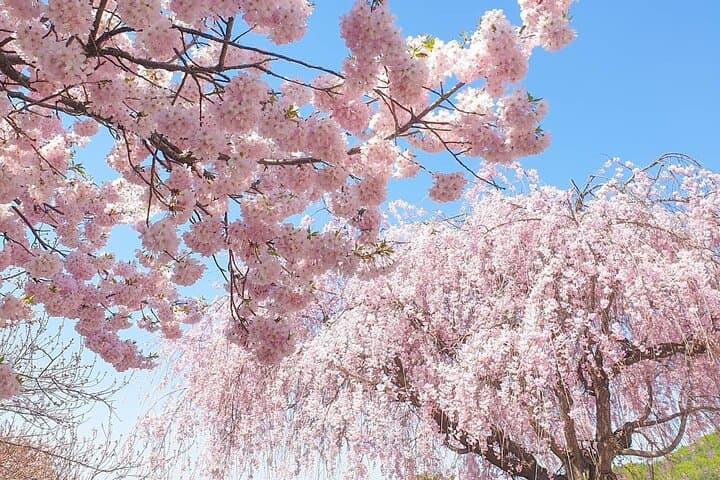
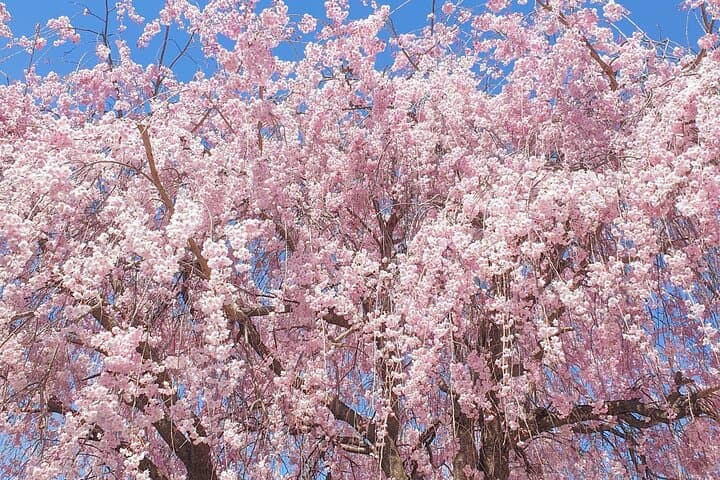
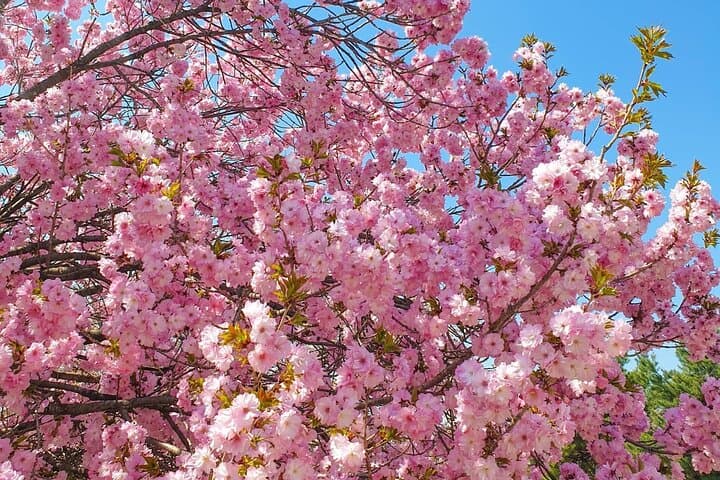
Cherry trees in Korea are cultural punctuation—short-lived, loudly celebrated. Festivals and local vendors appear when blooms hit peak, and the “king” cherry (a larger, showier cultivar often highlighted in parks) draws photographers and families alike.
Expect easy, mostly flat walking with periodic steps at fortresses and parks; your guide plans the route to maximize color and minimize crowds. Practicalities matter: arrive at the designated Seoul pickup, wear layered clothing for spring's variable temperatures, and bring a refillable bottle and a camera with charged batteries.
Timing is everything—bloom windows shift with elevation and weather—so flexibility is built into the day. While the tour emphasizes visual reward rather than strenuous hiking, it offers an immediate sense of Korea’s seasonal rhythm: petals falling, rivers daring you to look closer, and old stone keeping quiet watch.
Plan for an 11-hour day, modest walking shoes, and a readiness to trade a single spot for the best display the guide finds that morning.
easy.
11 hours.
Suitable for most fitness levels; expect several short, easy walks and some stairs at historic sites.
Typical pickup locations include Hongik University Station (Exit 4), Myeongdong Station (Exit 3) and Dongdaemun History & Culture Park (Exit 10); check your confirmation for exact times.
No—walking is light and accessible, though there can be short stair sections at fortresses and park trails; it's suitable for most fitness levels.
Guides scout bloom status each morning and adjust sites to find the best displays; however, exact peak timing depends on weather and cannot be guaranteed.
Admission and round-trip transportation are included, but meals and snacks are usually not—plan to bring cash or buy food at stopover vendors or restaurants.
Sites like Suwon Hwaseong Fortress (late 18th century) reflect Joseon-era planning and provide panoramic views where cherry-lined walls meet agricultural plains.
Peak-season crowds can stress fragile park lawns and tree roots—stick to paved paths, avoid standing on root zones, and carry out all trash to protect urban green spaces.
Lecirt operates guided outdoor trips and adventures with an emphasis on safety, stewardship, and memorable experiences.

Morning light filters through low clouds over Seoul as a small coach eases out of the city, petals already drifting like soft confetti along the highway.
Morning light filters through low clouds over Seoul as a small coach eases out of the city, petals already drifting like soft confetti along the highway.
On a cherry-blossom hunting day you move between riverbanks, fortress ridgelines and temple courtyards—each site chosen that morning by a guide tracking peak bloom. Stops range from Seoul Forest and Jeongdok Public Library inside the metropolis to Suwon Hwaseong Fortress and reservoirs in Chungcheong provinces, places where geology and human history meet: stone walls and earthen embankments cut across gently rolling hills carved by rivers and slow tectonic uplift.
Cherry trees in Korea are cultural punctuation—short-lived, loudly celebrated. Festivals and local vendors appear when blooms hit peak, and the “king” cherry (a larger, showier cultivar often highlighted in parks) draws photographers and families alike.
Expect easy, mostly flat walking with periodic steps at fortresses and parks; your guide plans the route to maximize color and minimize crowds. Practicalities matter: arrive at the designated Seoul pickup, wear layered clothing for spring's variable temperatures, and bring a refillable bottle and a camera with charged batteries.
Timing is everything—bloom windows shift with elevation and weather—so flexibility is built into the day. While the tour emphasizes visual reward rather than strenuous hiking, it offers an immediate sense of Korea’s seasonal rhythm: petals falling, rivers daring you to look closer, and old stone keeping quiet watch.
Plan for an 11-hour day, modest walking shoes, and a readiness to trade a single spot for the best display the guide finds that morning.