THE ADVENTURE COLLECTIVE® · Independent discovery and booking for outdoor travel

A full‑day, small‑group journey from Seoul into Cheorwon’s fortified borderlands: descend into the 2nd Tunnel, scan the DMZ from the Peace Observatory, and ride the Soisan Monorail for wide plain views. Practical, historically rich, and suited to moderately fit travelers.
A full‑day, small‑group journey from Seoul into Cheorwon’s fortified borderlands: descend into the 2nd Tunnel, scan the DMZ from the Peace Observatory, and ride the Soisan Monorail for wide plain views. Practical, historically rich, and suited to moderately fit travelers.
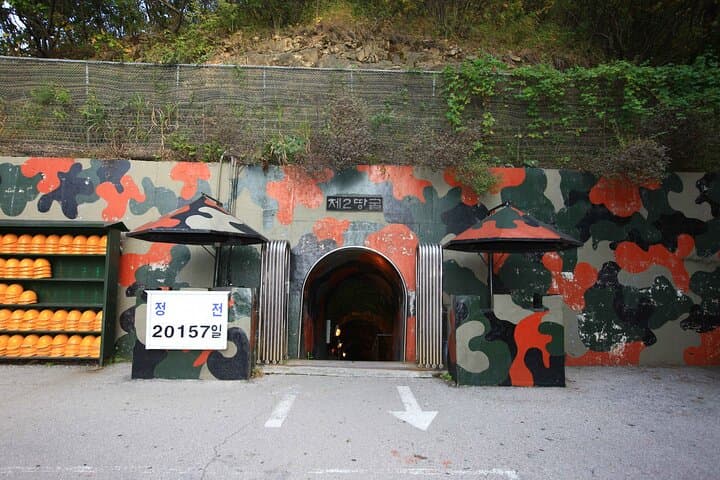
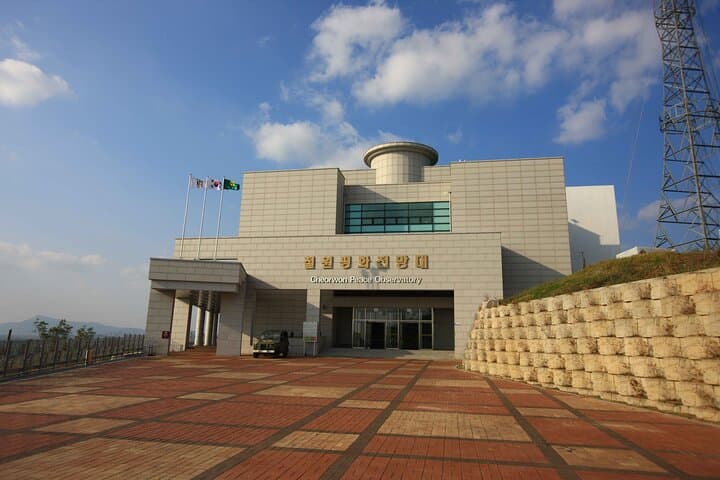
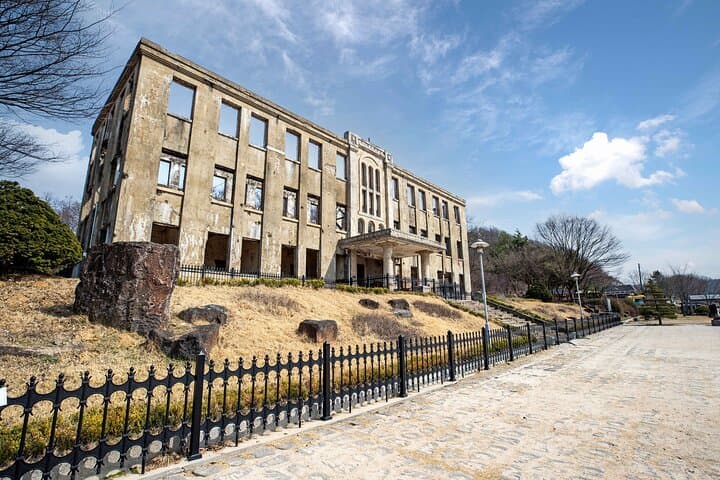
You step off the air‑conditioned van into a wind that seems to carry both silence and history—the Cheorwon plain spreads out, low and broad, with the DMZ slicing it into two different rhythms. The tour moves deliberately: a short descent into the 2nd Infiltration Tunnel, where cool rock presses close and the air smells faintly of metal and dust; then upward to the Cheorwon Peace Observatory, binoculars focused on structures across the border. Later, the angular shell of the Korean Workers’ Party Headquarters sits like a memory held open, and the Soisan Monorail ferries you above rice paddies and old battlefields to a compact summit view.
Verified experiences and guided adventures in the surrounding area.
Operated by Sunny Seoul Korea Tour · Cheorwon, Gangwon-do
You step off the air‑conditioned van into a wind that seems to carry both silence and history—the Cheorwon plain spreads out, low and broad, with the DMZ slicing it into two different rhythms. The tour moves deliberately: a short descent into the 2nd Infiltration Tunnel, where cool rock presses close and the air smells faintly of metal and dust; then upward to the Cheorwon Peace Observatory, binoculars focused on structures across the border. Later, the angular shell of the Korean Workers’ Party Headquarters sits like a memory held open, and the Soisan Monorail ferries you above rice paddies and old battlefields to a compact summit view.
Cheorwon occupies a strategic lowland that has been contested since the Korean War; the 2nd Tunnel—discovered in 1975—remains a physical reminder of those tense decades. Geologically the plain is alluvium and gentle ridgelines, which is why the DMZ here is both wide and good for observation. Local culture is shaped by proximity to the border: museums, observatories, and memorials dominate, and small farms still work fields that were once no-man’s land.
Practical guidance: bring passport/ID (required for DMZ access), wear sturdy closed shoes for the tunnel, and layer for sudden wind on exposed observatories. Expect a full day (roughly 10 hours) with moderate walking, some stair descents, and security checks. Lunch isn’t included—pack snacks or plan to stop in Cheorwon town. Photography is allowed in most areas but follow guide instructions near military sites. The trip balances history, quiet landscape, and a palpable sense of borderlands—an intense, manageable day for curious travelers.
moderate.
10 hours.
Moderate fitness: able to walk stairs and short uneven sections, tolerate periods of standing and security screening.
Yes—visitors must present a passport or Alien Registration Card for DMZ access and tunnel entry.
The tour is approximately 10 hours and typically includes pick-up in Seoul; exact pickup points are confirmed at booking.
Only moderately—about 500 meters of the tunnel are open to visitors and involve steps and enclosed passageways; people with serious spinal, heart, or pregnancy concerns are advised not to enter.
No—lunch is not included; the itinerary provides a break for lunch in Cheorwon so plan to bring food or buy locally.
The 2nd Tunnel was discovered in 1975 and is one of multiple infiltration tunnels dug from the North; the Cheorwon area saw major engagements during the Korean War and later became a strategic observation zone.
The DMZ has become an unintended ecological refuge—visitors are asked to stick to paths, avoid disturbing habitat, and follow guide instructions to minimize impact.
Sunny Seoul Korea Tour operates guided outdoor trips and adventures with an emphasis on safety, stewardship, and memorable experiences.

You step off the air‑conditioned van into a wind that seems to carry both silence and history—the Cheorwon plain spreads out, low and broad, with the DMZ slicing it into two different rhythms. The tour moves deliberately: a short descent into the 2nd Infiltration Tunnel, where cool rock presses close and the air smells faintly of metal and dust; then upward to the Cheorwon Peace Observatory, binoculars focused on structures across the border. Later, the angular shell of the Korean Workers’ Party Headquarters sits like a memory held open, and the Soisan Monorail ferries you above rice paddies and old battlefields to a compact summit view.
You step off the air‑conditioned van into a wind that seems to carry both silence and history—the Cheorwon plain spreads out, low and broad, with the DMZ slicing it into two different rhythms. The tour moves deliberately: a short descent into the 2nd Infiltration Tunnel, where cool rock presses close and the air smells faintly of metal and dust; then upward to the Cheorwon Peace Observatory, binoculars focused on structures across the border. Later, the angular shell of the Korean Workers’ Party Headquarters sits like a memory held open, and the Soisan Monorail ferries you above rice paddies and old battlefields to a compact summit view.
Cheorwon occupies a strategic lowland that has been contested since the Korean War; the 2nd Tunnel—discovered in 1975—remains a physical reminder of those tense decades. Geologically the plain is alluvium and gentle ridgelines, which is why the DMZ here is both wide and good for observation. Local culture is shaped by proximity to the border: museums, observatories, and memorials dominate, and small farms still work fields that were once no-man’s land.
Practical guidance: bring passport/ID (required for DMZ access), wear sturdy closed shoes for the tunnel, and layer for sudden wind on exposed observatories. Expect a full day (roughly 10 hours) with moderate walking, some stair descents, and security checks. Lunch isn’t included—pack snacks or plan to stop in Cheorwon town. Photography is allowed in most areas but follow guide instructions near military sites. The trip balances history, quiet landscape, and a palpable sense of borderlands—an intense, manageable day for curious travelers.