THE ADVENTURE COLLECTIVE® · Independent discovery and booking for outdoor travel

Walk Chenonceau with a private guide who focuses on the women who built, ran and preserved the estate, plus the engineering and garden history behind its bridge-gallery. This three-hour tour covers interior rooms and grounds; admission is not included.
Walk Chenonceau with a private guide who focuses on the women who built, ran and preserved the estate, plus the engineering and garden history behind its bridge-gallery. This three-hour tour covers interior rooms and grounds; admission is not included.
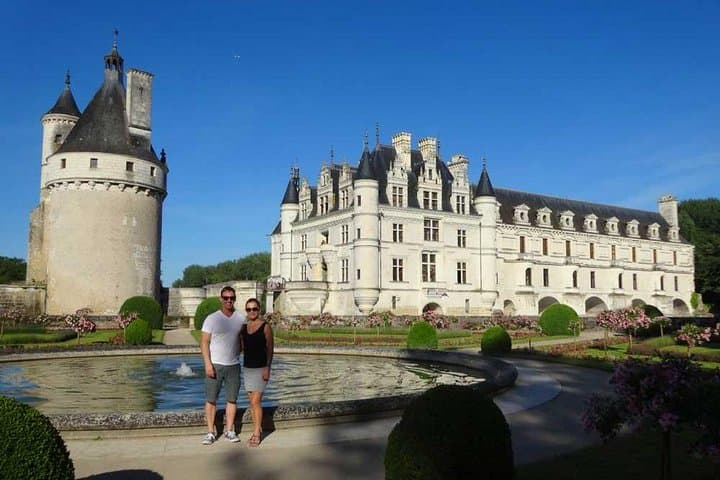
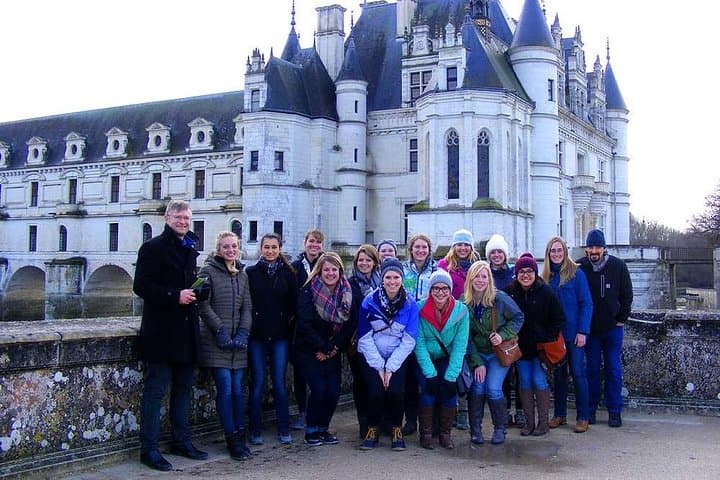
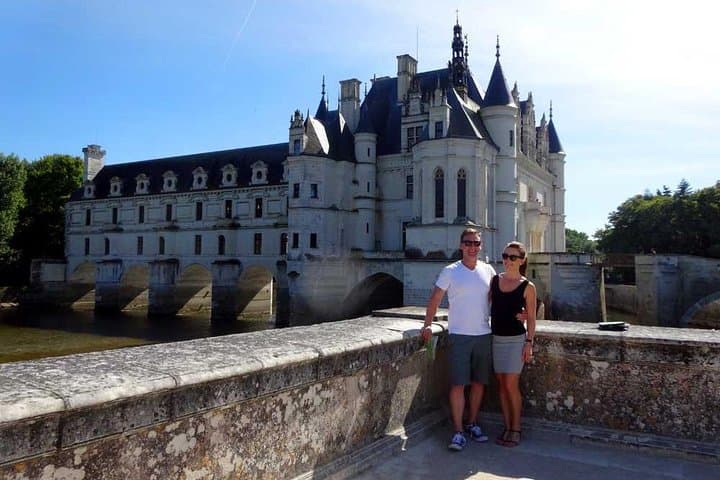
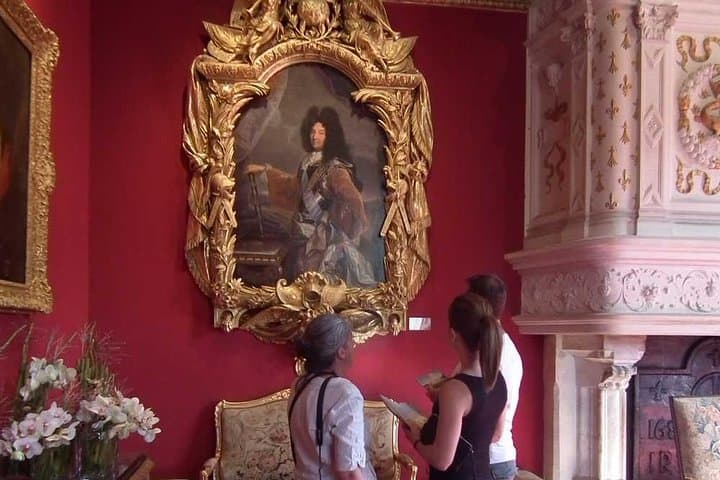
A morning at Chenonceau begins where the river dares the stone: the chateau’s arched gallery stretches over the Cher, light sliding along its timbered beams. The guide meets the party at the ticket office, then leads through a compact sequence of rooms where portraits, tapestries and scientific curiosities map the lives of the women who shaped this place.
Verified experiences and guided adventures in the surrounding area.
Operated by Loire Valley Time Travel · Chenonceaux, Indre-et-Loire
A morning at Chenonceau begins where the river dares the stone: the chateau’s arched gallery stretches over the Cher, light sliding along its timbered beams. The guide meets the party at the ticket office, then leads through a compact sequence of rooms where portraits, tapestries and scientific curiosities map the lives of the women who shaped this place.
Built in the early 16th century on the ruins of a mill, Chenonceau is as much engineering feat as residence. Its bridge-gallery was a practical extension that became a social stage; the grounds display Renaissance parterres, later 18th–19th century gardening fashions, and evidence of foodways and textile trade that drove the local economy. During both World Wars the chateau served strategic and humanitarian roles—its corridor once separated occupied and free France.
Visitors get more than architecture: learn about conservation techniques, collection care, and the material culture behind daily life in a courtly estate. The tour weaves women’s biographies—patrons, builders, caretakers—into explanations of heritage engineering and the evolving technology of domestic service.
Practicalities: the walk lasts about three hours, covers compact but irregular floors with stairs and some uneven paving, and does not include admission. Arrive early to buy tickets if you haven’t prebooked; bring water and layers for the river winds. Photography rules vary by room, and the best light for garden views is late afternoon. A private guide allows questions and tailored focus—medicine, textiles, transport—so state interests when booking.
easy.
3 hours.
Suitable for most fitness levels; requires standing and walking over uneven floors and stairs.
No—this private guiding service does not include entrance tickets; buy chateau admission separately or arrive early to purchase.
Yes—the guide can emphasize women’s history, heritage engineering, medicine, textiles or garden history if requested at booking.
Chenonceau is historic with stairs and uneven surfaces; accessibility is limited—contact the site ahead for specific arrangements.
Policies vary; since this is a private guided tour, the guide will advise on the best way to hear commentary—ask if headsets are needed for larger groups.
Chenonceau’s bridge-gallery was constructed in the 16th century and later expanded; its succession of influential female owners shaped its design and collections.
Ongoing conservation balances visitor access with preservation—guided tours and restricted photography in some rooms reduce wear on fragile objects.
Loire Valley Time Travel operates guided outdoor trips and adventures with an emphasis on safety, stewardship, and memorable experiences.
A morning at Chenonceau begins where the river dares the stone: the chateau’s arched gallery stretches over the Cher, light sliding along its timbered beams. The guide meets the party at the ticket office, then leads through a compact sequence of rooms where portraits, tapestries and scientific curiosities map the lives of the women who shaped this place.
A morning at Chenonceau begins where the river dares the stone: the chateau’s arched gallery stretches over the Cher, light sliding along its timbered beams. The guide meets the party at the ticket office, then leads through a compact sequence of rooms where portraits, tapestries and scientific curiosities map the lives of the women who shaped this place.
Built in the early 16th century on the ruins of a mill, Chenonceau is as much engineering feat as residence. Its bridge-gallery was a practical extension that became a social stage; the grounds display Renaissance parterres, later 18th–19th century gardening fashions, and evidence of foodways and textile trade that drove the local economy. During both World Wars the chateau served strategic and humanitarian roles—its corridor once separated occupied and free France.
Visitors get more than architecture: learn about conservation techniques, collection care, and the material culture behind daily life in a courtly estate. The tour weaves women’s biographies—patrons, builders, caretakers—into explanations of heritage engineering and the evolving technology of domestic service.
Practicalities: the walk lasts about three hours, covers compact but irregular floors with stairs and some uneven paving, and does not include admission. Arrive early to buy tickets if you haven’t prebooked; bring water and layers for the river winds. Photography rules vary by room, and the best light for garden views is late afternoon. A private guide allows questions and tailored focus—medicine, textiles, transport—so state interests when booking.