THE ADVENTURE COLLECTIVE® · Independent discovery and booking for outdoor travel

Follow winding mountain roads from Chengdu to Yading in eight days of glaciers, Tibetan villages, and clear alpine lakes. This tour blends accessible day hikes, cultural stops, and high-altitude scenery with local guides and included lodging.
Follow winding mountain roads from Chengdu to Yading in eight days of glaciers, Tibetan villages, and clear alpine lakes. This tour blends accessible day hikes, cultural stops, and high-altitude scenery with local guides and included lodging.
A cold wind tangles through prayer flags as the van crests Balang Mountain and the first white crowns of Mount Siguniang appear — four sharp peaks cutting the sky like geological punctuation.
Verified experiences and guided adventures in the surrounding area.
Operated by ETripChina · Chengdu, Sichuan
A cold wind tangles through prayer flags as the van crests Balang Mountain and the first white crowns of Mount Siguniang appear — four sharp peaks cutting the sky like geological punctuation.
Over eight days the route moves from Chengdu’s lowland bustle into highland plateaus: bamboo forests and pandas near Wolong give way to Shuangqiao Valley’s mirror lakes, the towered villages of Danba, and finally Yading’s glacial cirques. Geology here is brutal and obvious — uplifted sediment and granite carved by ice produce steep ridgelines, hanging valleys, and moraine-dammed lakes that glitter beneath permanent snow.
Culturally the trip threads Tibetan Buddhist monasteries, tower houses built by local craftsmen, and pastoral communities that keep yaks and tend high meadows. Explorer Joseph Rock wrote of this region’s otherworldly isolation; modern roads have opened access but the landscape still demands respect.
Practical guidance is straightforward: altitude rises quickly — several nights are spent above 3,000 m — so acclimatize, drink water, and move slowly. Trails alternate between paved village lanes, dirt pastoral tracks, and short day-hike sections; technical climbing isn’t required, but sturdy boots and warm layers are. Expect long vehicle days between highlights and brief guided walks in valleys and near monasteries. Meals and hotels are included; bring cash for small village purchases and a headlamp for rural stays.
This itinerary is best for travelers who want immersive scenery, cultural insight, and manageable alpine walking rather than technical mountaineering.
moderate.
8 days.
Moderate fitness: comfortable with daily short hikes, long minibus transfers, and gradual altitude gain.
No — the tour focuses on scenic drives, cultural visits, and short hikes; no ropes or crampons are required.
Some nights are above 3,000 m; mild symptoms are possible — bring medication if recommended by your doctor and follow acclimatization advice.
Yes — the tour includes hotel accommodation with western breakfasts, lunches and dinners as listed, and an English-speaking guide.
Late spring to early autumn offers the most stable weather and open passes; winter is colder and some roads or flights may be affected by snow.
The region is a cultural crossroads where Tibetan Buddhist monasteries and traditional tower houses reflect centuries of highland life; western explorers like Joseph Rock popularized its remote allure.
High-altitude wetlands and grasslands are fragile; follow leave-no-trace principles, avoid disturbing grazing herds, and support local businesses to benefit communities.
ETripChina operates guided outdoor trips and adventures with an emphasis on safety, stewardship, and memorable experiences.


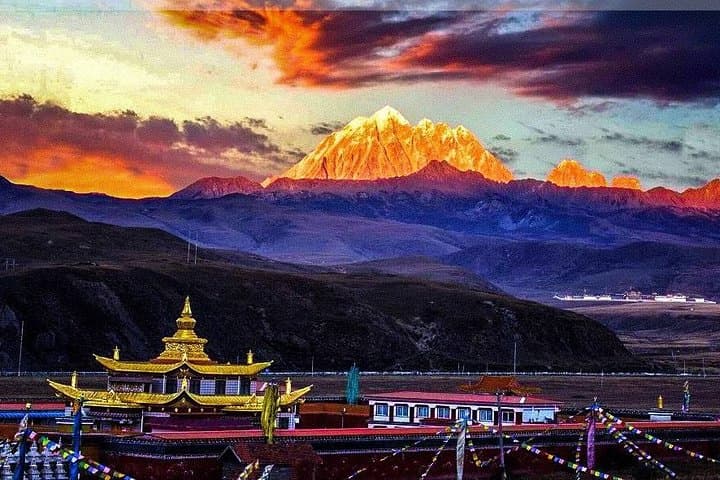

A cold wind tangles through prayer flags as the van crests Balang Mountain and the first white crowns of Mount Siguniang appear — four sharp peaks cutting the sky like geological punctuation.
A cold wind tangles through prayer flags as the van crests Balang Mountain and the first white crowns of Mount Siguniang appear — four sharp peaks cutting the sky like geological punctuation.
Over eight days the route moves from Chengdu’s lowland bustle into highland plateaus: bamboo forests and pandas near Wolong give way to Shuangqiao Valley’s mirror lakes, the towered villages of Danba, and finally Yading’s glacial cirques. Geology here is brutal and obvious — uplifted sediment and granite carved by ice produce steep ridgelines, hanging valleys, and moraine-dammed lakes that glitter beneath permanent snow.
Culturally the trip threads Tibetan Buddhist monasteries, tower houses built by local craftsmen, and pastoral communities that keep yaks and tend high meadows. Explorer Joseph Rock wrote of this region’s otherworldly isolation; modern roads have opened access but the landscape still demands respect.
Practical guidance is straightforward: altitude rises quickly — several nights are spent above 3,000 m — so acclimatize, drink water, and move slowly. Trails alternate between paved village lanes, dirt pastoral tracks, and short day-hike sections; technical climbing isn’t required, but sturdy boots and warm layers are. Expect long vehicle days between highlights and brief guided walks in valleys and near monasteries. Meals and hotels are included; bring cash for small village purchases and a headlamp for rural stays.
This itinerary is best for travelers who want immersive scenery, cultural insight, and manageable alpine walking rather than technical mountaineering.