THE ADVENTURE COLLECTIVE® · Independent discovery and booking for outdoor travel

Spend a single, well-paced day watching pandas at Chengdu Research Base before a scenic drive to the Leshan Giant Buddha. This private tour combines wildlife viewing and UNESCO-scale history with door-to-door ease.
Spend a single, well-paced day watching pandas at Chengdu Research Base before a scenic drive to the Leshan Giant Buddha. This private tour combines wildlife viewing and UNESCO-scale history with door-to-door ease.
Morning haze lifts over Chengdu as you step into the bamboo-scented enclosures of the Research Base, where pandas shuffle and the keepers’ routines set a calm tempo. You watch a juvenile tumble through grass while behind the scenes the city thins and the road to Leshan unfurls—two hours of river valleys and terraced farmland before the cliff-face that hides a colossal stone figure.
Verified experiences and guided adventures in the surrounding area.
Operated by Don't travel late · Chengdu, Sichuan
Morning haze lifts over Chengdu as you step into the bamboo-scented enclosures of the Research Base, where pandas shuffle and the keepers’ routines set a calm tempo. You watch a juvenile tumble through grass while behind the scenes the city thins and the road to Leshan unfurls—two hours of river valleys and terraced farmland before the cliff-face that hides a colossal stone figure.
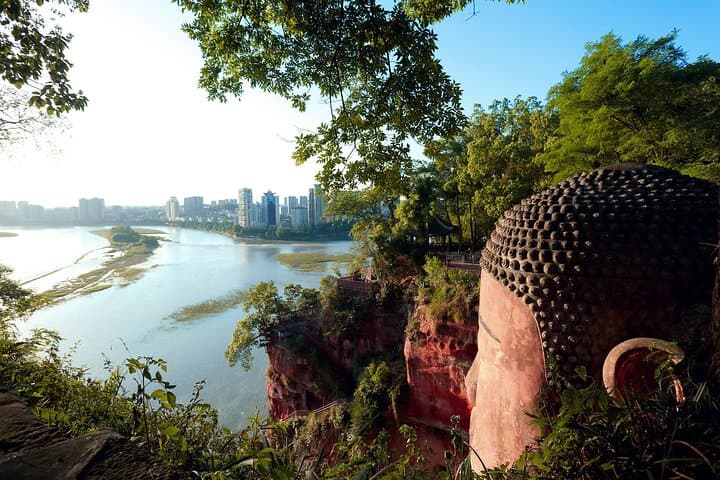
The Leshan Giant Buddha, carved during the Tang dynasty where three rivers meet, is both engineering feat and cultural marker: stone gutters around the head were an early solution to erosion. The panda base, founded in the 1980s, is now a global center for breeding and public education, blending conservation with tourism.
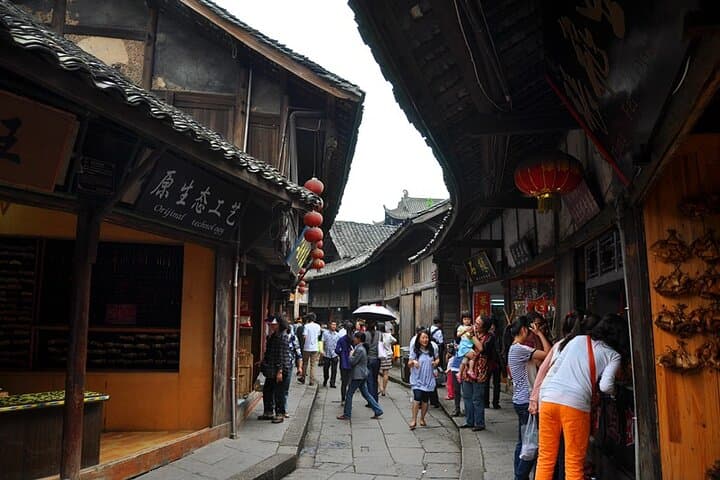
Geology here shifts from red-bed sediments and river-carved gorges around Leshan to the alluvial plains beneath Chengdu. Local life leans on river trade and Sichuan’s tea culture; expect simple teahouses and regional snacks at both sites.
Practical guidance: start early—pandas are most active in the morning and the Buddha is busiest midday. The private driver removes transit friction; wear grippy shoes for the stone staircases and bring sun protection for riverside viewpoints. Hydrate—Sichuan’s humidity can sneak up on you. If you plan to take the boat view at Leshan, leave a buffer for queueing and check boat operating hours.
This day pairs wildlife observation with monumental history, manageable in a single, well-paced outing that rewards early starts and a steady pace.
moderate.
6–8 hours.
Suitable for most travelers who can manage stairs and a few short walks; minimal sustained exertion.
Tickets can be bought on-site but during peak season it's wise to pre-book; this tour handles transport but may not include entry fees.
Expect about two hours each way by private car, depending on traffic.
Yes—the itinerary is suitable for families; strollers are mentioned as accessible but stairs at Leshan require carrying for some sections.
Bottled water is included, but meals are typically not—there are local restaurants near both sites for Sichuan cuisine.
The Leshan Buddha was carved during the Tang dynasty to calm turbulent river currents; the panda base was established in the 1980s to centralize breeding and research.
Both sites balance tourism with preservation—follow signposted paths at Leshan and respect viewing distances at the panda base to minimize stress on animals.
Don't travel late operates guided outdoor trips and adventures with an emphasis on safety, stewardship, and memorable experiences.


Morning haze lifts over Chengdu as you step into the bamboo-scented enclosures of the Research Base, where pandas shuffle and the keepers’ routines set a calm tempo. You watch a juvenile tumble through grass while behind the scenes the city thins and the road to Leshan unfurls—two hours of river valleys and terraced farmland before the cliff-face that hides a colossal stone figure.
Morning haze lifts over Chengdu as you step into the bamboo-scented enclosures of the Research Base, where pandas shuffle and the keepers’ routines set a calm tempo. You watch a juvenile tumble through grass while behind the scenes the city thins and the road to Leshan unfurls—two hours of river valleys and terraced farmland before the cliff-face that hides a colossal stone figure.
The Leshan Giant Buddha, carved during the Tang dynasty where three rivers meet, is both engineering feat and cultural marker: stone gutters around the head were an early solution to erosion. The panda base, founded in the 1980s, is now a global center for breeding and public education, blending conservation with tourism.
Geology here shifts from red-bed sediments and river-carved gorges around Leshan to the alluvial plains beneath Chengdu. Local life leans on river trade and Sichuan’s tea culture; expect simple teahouses and regional snacks at both sites.
Practical guidance: start early—pandas are most active in the morning and the Buddha is busiest midday. The private driver removes transit friction; wear grippy shoes for the stone staircases and bring sun protection for riverside viewpoints. Hydrate—Sichuan’s humidity can sneak up on you. If you plan to take the boat view at Leshan, leave a buffer for queueing and check boat operating hours.
This day pairs wildlife observation with monumental history, manageable in a single, well-paced outing that rewards early starts and a steady pace.