THE ADVENTURE COLLECTIVE® · Independent discovery and booking for outdoor travel

See pandas at breakfast in Chengdu, then travel 150 km to stand beneath the 71‑meter Leshan Giant Buddha. This full‑day tour pairs wildlife viewing, river panoramas and a local Sichuan lunch with options to climb or take a boat for the best perspectives.
See pandas at breakfast in Chengdu, then travel 150 km to stand beneath the 71‑meter Leshan Giant Buddha. This full‑day tour pairs wildlife viewing, river panoramas and a local Sichuan lunch with options to climb or take a boat for the best perspectives.
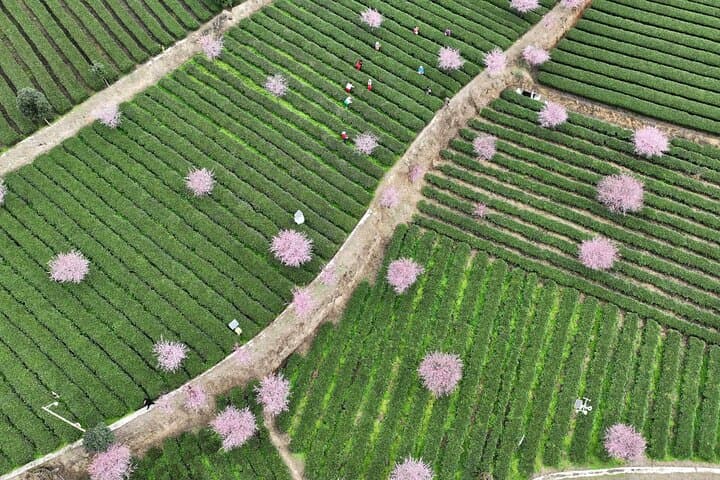
Dawn at the Chengdu Research Base feels decisive — keepers move quietly while pandas shuffle toward breakfast, bamboo stalks clicking like metronomes. You watch cubs and adults feed in warm enclosures, then slip into a car for the 150 km drive south: river valleys and tea terraces pass in a rolling succession until the cliff-face of the Leshan Giant Buddha cuts the horizon.
Verified experiences and guided adventures in the surrounding area.
Operated by Discovery more · Leshan, Sichuan
Dawn at the Chengdu Research Base feels decisive — keepers move quietly while pandas shuffle toward breakfast, bamboo stalks clicking like metronomes. You watch cubs and adults feed in warm enclosures, then slip into a car for the 150 km drive south: river valleys and tea terraces pass in a rolling succession until the cliff-face of the Leshan Giant Buddha cuts the horizon.
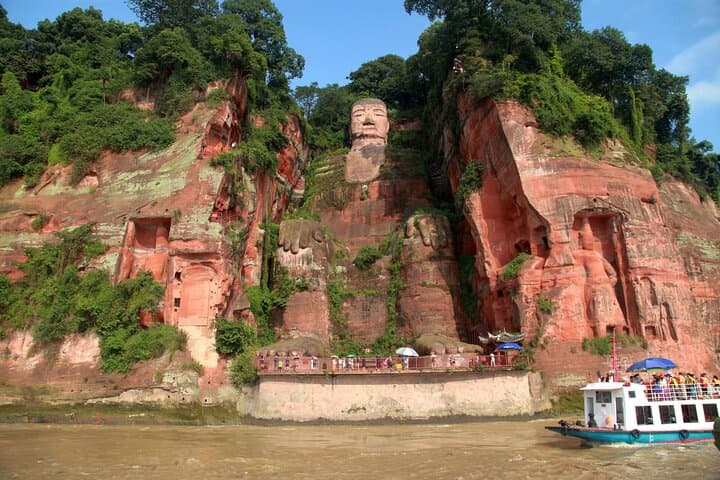
Carved into a red-sandstone bluff during the Tang dynasty by the monk Hai Tong, the 71-meter Buddha watches where three rivers meet and once aimed to calm dangerous currents. The geology is obvious: layered sedimentary rock sculpted by industrial-age erosion and millennia of weathering. Local tea farms cling to slopes nearby, and Leshan’s riverside culture has long mixed boat traffic with temple life.
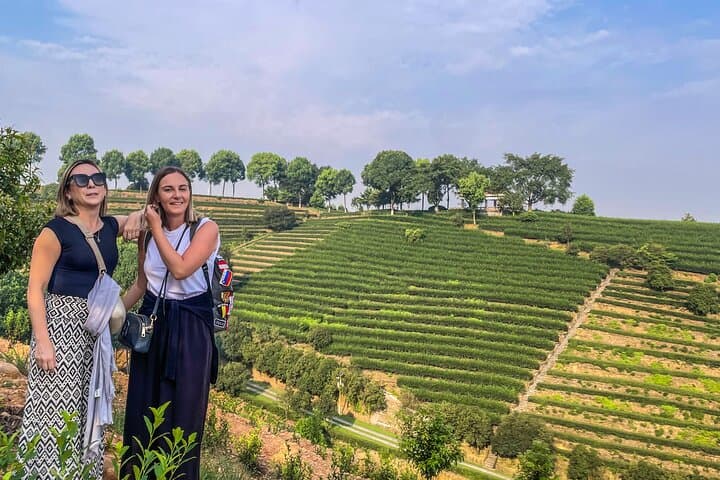
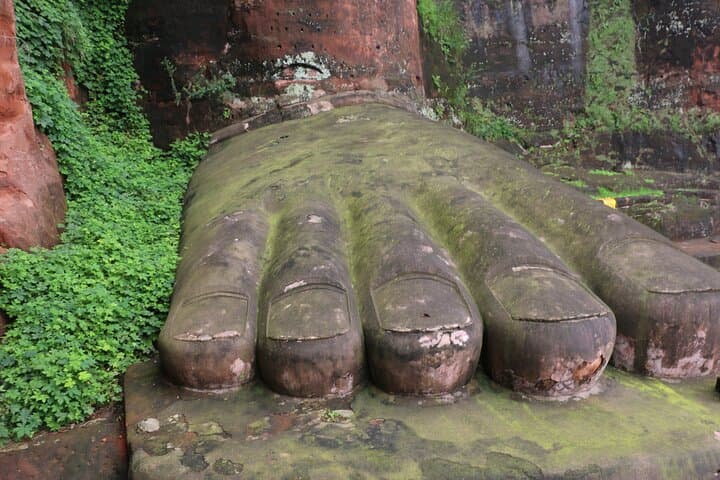
At the site you can choose a short boat cruise for a frontal panorama or climb a steep stone stairway for intimate details — the head and carved coiffure reveal the scale up close, while downstream currents still seem to dare passing boats. Lunch at a local restaurant delivers Sichuan flavors — peppercorns, fresh vegetables, and river fish — before an afternoon tea tasting at a farmhouse viewpoint.
Practical note: this is a long day with lots of steps and vehicle time. Start early to catch the pandas at morning feed and to avoid crowds at the Buddha. Bring layered clothing, non-slip shoes, cash for small vendors, and a small daypack with water. If you have limited mobility, the boat option gives the best visual experience with far less climbing.
moderate.
8 hours.
General good mobility and stair-climbing ability; suitable for most people in regular physical condition
The drive is about 150 km and typically takes around two hours each way depending on traffic, making this a full-day outing.
This tour offers on-site ticket handling; confirm when booking whether admission is included in your selected option.
Yes — the morning feeding period is the most active time to observe pandas; the itinerary schedules an early pickup to maximize viewing.
Boat rides provide the best uninterrupted frontal view of the Buddha, while the climb lets you study carved details and different vantage points up close.
Carved during the Tang dynasty by monk Hai Tong, the Leshan Giant Buddha was intended to pacify dangerous river currents at the confluence of three rivers.
Ongoing conservation addresses stone erosion and visitor impact; the Chengdu base focuses on captive breeding and habitat research for pandas while local managers limit access to sensitive cliff areas.
Discovery more operates guided outdoor trips and adventures with an emphasis on safety, stewardship, and memorable experiences.
Dawn at the Chengdu Research Base feels decisive — keepers move quietly while pandas shuffle toward breakfast, bamboo stalks clicking like metronomes. You watch cubs and adults feed in warm enclosures, then slip into a car for the 150 km drive south: river valleys and tea terraces pass in a rolling succession until the cliff-face of the Leshan Giant Buddha cuts the horizon.
Dawn at the Chengdu Research Base feels decisive — keepers move quietly while pandas shuffle toward breakfast, bamboo stalks clicking like metronomes. You watch cubs and adults feed in warm enclosures, then slip into a car for the 150 km drive south: river valleys and tea terraces pass in a rolling succession until the cliff-face of the Leshan Giant Buddha cuts the horizon.
Carved into a red-sandstone bluff during the Tang dynasty by the monk Hai Tong, the 71-meter Buddha watches where three rivers meet and once aimed to calm dangerous currents. The geology is obvious: layered sedimentary rock sculpted by industrial-age erosion and millennia of weathering. Local tea farms cling to slopes nearby, and Leshan’s riverside culture has long mixed boat traffic with temple life.
At the site you can choose a short boat cruise for a frontal panorama or climb a steep stone stairway for intimate details — the head and carved coiffure reveal the scale up close, while downstream currents still seem to dare passing boats. Lunch at a local restaurant delivers Sichuan flavors — peppercorns, fresh vegetables, and river fish — before an afternoon tea tasting at a farmhouse viewpoint.
Practical note: this is a long day with lots of steps and vehicle time. Start early to catch the pandas at morning feed and to avoid crowds at the Buddha. Bring layered clothing, non-slip shoes, cash for small vendors, and a small daypack with water. If you have limited mobility, the boat option gives the best visual experience with far less climbing.