THE ADVENTURE COLLECTIVE® · Independent discovery and booking for outdoor travel

Drive from Chengdu to stand face-to-face with the 8th-century Leshan Giant Buddha, explore Lingyun Temple, then be dropped at Chengdu Railway Station. This private day tour combines history, riverside geology and convenient transport for onward travel.
Drive from Chengdu to stand face-to-face with the 8th-century Leshan Giant Buddha, explore Lingyun Temple, then be dropped at Chengdu Railway Station. This private day tour combines history, riverside geology and convenient transport for onward travel.
You leave Chengdu before the city has fully woken: the highway opens into farmland and the river valleys of Sichuan, and after roughly 2.5 hours the cliff face where the Leshan Giant Buddha stares down at three converging rivers fills your windshield.
Verified experiences and guided adventures in the surrounding area.
Operated by happychinatours · Leshan, Sichuan
You leave Chengdu before the city has fully woken: the highway opens into farmland and the river valleys of Sichuan, and after roughly 2.5 hours the cliff face where the Leshan Giant Buddha stares down at three converging rivers fills your windshield.
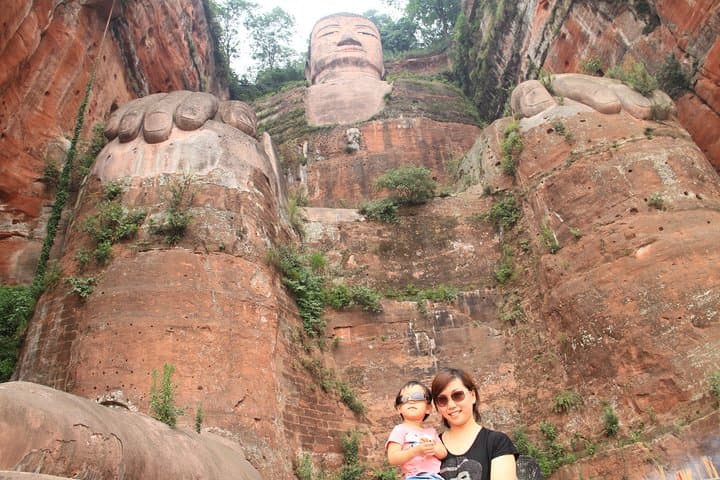
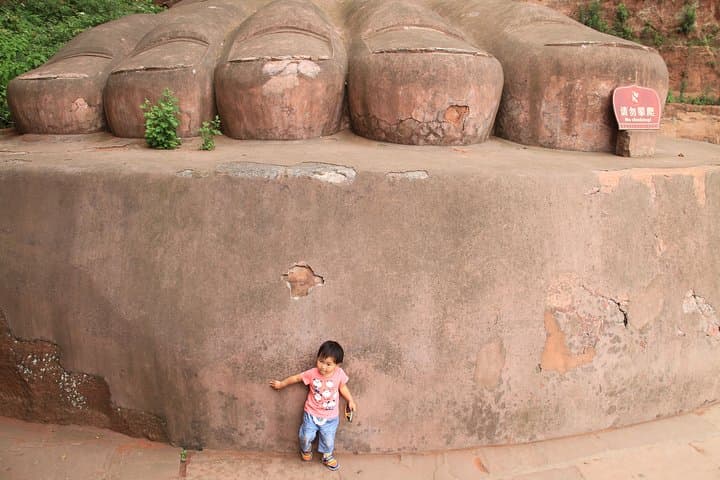
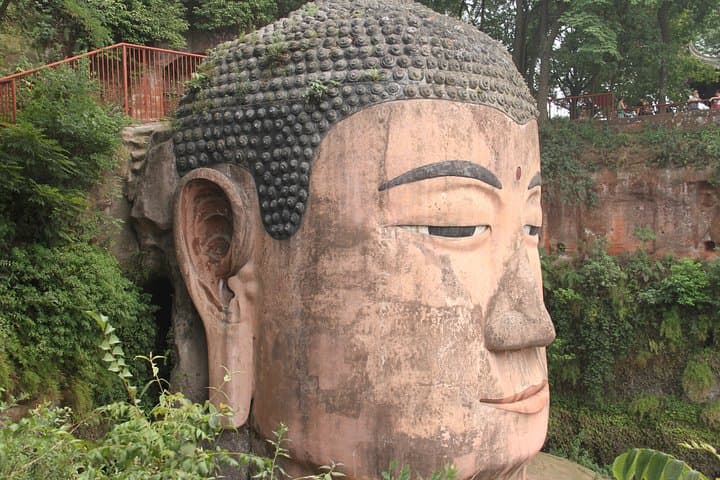
Carved from the 8th century cliff of Lingyun Shan, the 71-meter Buddha was engineered to calm the turbulent currents where the Min, Dadu and Qingyi rivers meet. The statue’s scale only becomes readable at close range—elbows the size of rooms, a head you can stand on. The site folds together religious history, stone-carving technology and a practical response to dangerous river hydraulics; nearby Lingyun Temple and its small museum trace the monastic life and fundraising campaigns that kept the statue maintained across dynasties.
Expect stairs cut into the rock, uneven walkways, and vantage points from the Buddha’s feet to the crown. Your private guide will sequence the visit to avoid peak crowds, explain inscriptions and point out river hydraulics that motivated the original builders. Although the private car and guide make logistics easy—hotel pickup and a train-station drop-off in Chengdu are included—the site itself is semi-natural terrain: firm-soled shoes, sun protection and a moderate level of mobility are sensible.
Plan for about six hours for the full transfer, visit and return leg to the train station. Morning visits offer softer light and fewer tour buses; if you need mobility accommodations, note that vehicle transfer can be wheelchair-accessible but cliff stairs limit access to some viewpoints. Bring water, time for photos, and enough buffer to meet your onward train departure without rush.
easy.
6 hours.
Light fitness required — mostly seated transfers with short to moderate walking and stairs
The transfer is about 2.5 hours (approximately 135–143 km) each way depending on traffic; total tour time is around 6 hours.
Vehicles and some park areas can be wheelchair-accessible, but the cliff stairs and high viewpoints are not fully accessible—check with the operator for specific assistance options.
Yes, this private tour includes the entrance ticket for the Leshan Giant Buddha and the visit to Lingyun Temple and the museum.
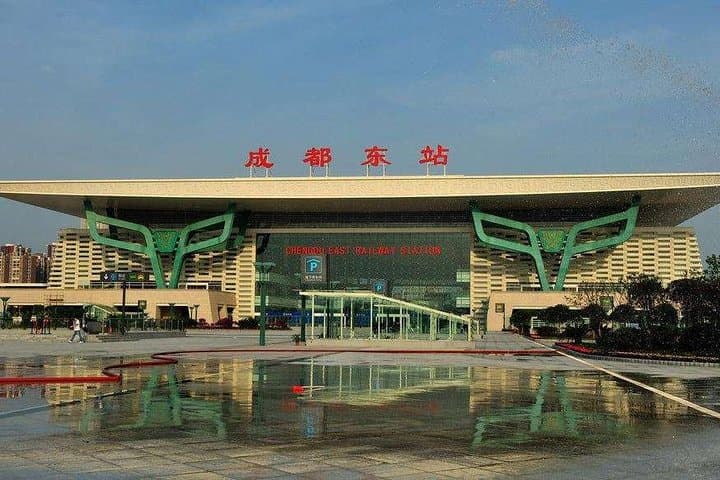
Yes—the tour includes drop-off at Chengdu train stations; provide your train details during booking to coordinate timing.
Carved beginning in the Tang dynasty (8th century), the Buddha was both religious offering and hydraulic engineering effort to reduce dangerous river eddies.
Ongoing preservation manages stone erosion and tourist impact; visitors are encouraged to stay on paths and avoid touching carved surfaces to protect the monument.
happychinatours operates guided outdoor trips and adventures with an emphasis on safety, stewardship, and memorable experiences.
You leave Chengdu before the city has fully woken: the highway opens into farmland and the river valleys of Sichuan, and after roughly 2.5 hours the cliff face where the Leshan Giant Buddha stares down at three converging rivers fills your windshield.
You leave Chengdu before the city has fully woken: the highway opens into farmland and the river valleys of Sichuan, and after roughly 2.5 hours the cliff face where the Leshan Giant Buddha stares down at three converging rivers fills your windshield.
Carved from the 8th century cliff of Lingyun Shan, the 71-meter Buddha was engineered to calm the turbulent currents where the Min, Dadu and Qingyi rivers meet. The statue’s scale only becomes readable at close range—elbows the size of rooms, a head you can stand on. The site folds together religious history, stone-carving technology and a practical response to dangerous river hydraulics; nearby Lingyun Temple and its small museum trace the monastic life and fundraising campaigns that kept the statue maintained across dynasties.
Expect stairs cut into the rock, uneven walkways, and vantage points from the Buddha’s feet to the crown. Your private guide will sequence the visit to avoid peak crowds, explain inscriptions and point out river hydraulics that motivated the original builders. Although the private car and guide make logistics easy—hotel pickup and a train-station drop-off in Chengdu are included—the site itself is semi-natural terrain: firm-soled shoes, sun protection and a moderate level of mobility are sensible.
Plan for about six hours for the full transfer, visit and return leg to the train station. Morning visits offer softer light and fewer tour buses; if you need mobility accommodations, note that vehicle transfer can be wheelchair-accessible but cliff stairs limit access to some viewpoints. Bring water, time for photos, and enough buffer to meet your onward train departure without rush.