THE ADVENTURE COLLECTIVE® · Independent discovery and booking for outdoor travel

Drive from Chengdu to stand before the 71‑meter Leshan Giant Buddha, carved into a riverside cliff in the 8th century. This private day tour pairs a temple visit and museum insights with a river boat ride for a full perspective of the statue and the confluence it watches over.
Drive from Chengdu to stand before the 71‑meter Leshan Giant Buddha, carved into a riverside cliff in the 8th century. This private day tour pairs a temple visit and museum insights with a river boat ride for a full perspective of the statue and the confluence it watches over.
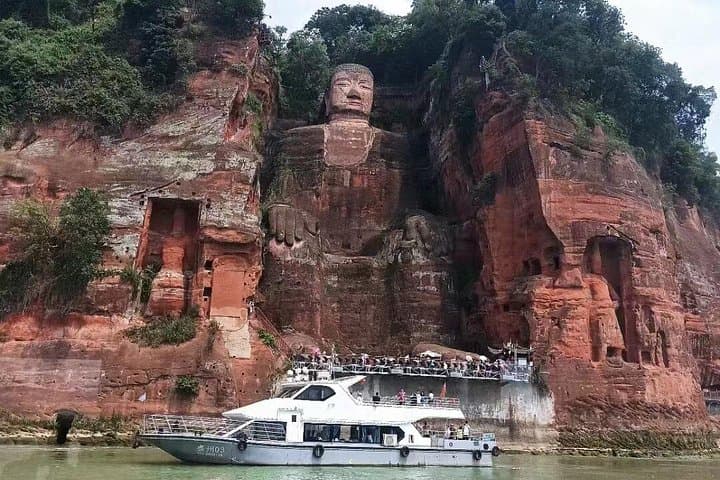
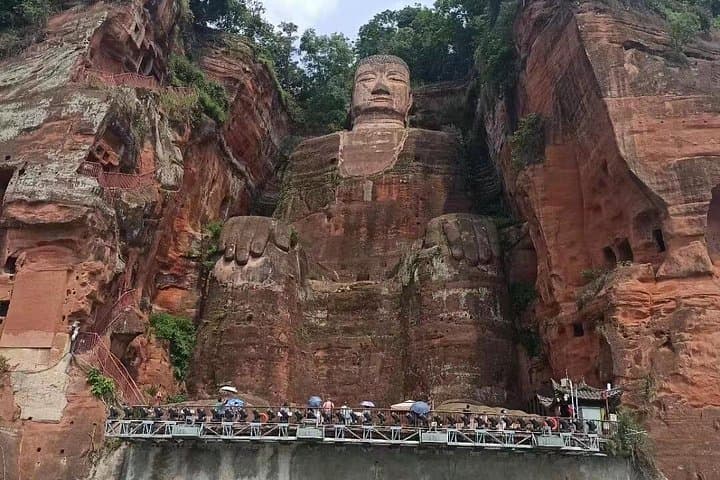
You leave Chengdu while the city still yawns, sliding east along highways that cut through Sichuan's flat agricultural plain. After roughly 150 km and about 2.5 hours’ drive the river valley opens and the cliff-face appears: a 71‑meter carved Buddha gazes down where three rivers meet, stone shoulders and knees interrupting the current.
Verified experiences and guided adventures in the surrounding area.
Operated by happychinatours · Leshan, Sichuan
You leave Chengdu while the city still yawns, sliding east along highways that cut through Sichuan's flat agricultural plain. After roughly 150 km and about 2.5 hours’ drive the river valley opens and the cliff-face appears: a 71‑meter carved Buddha gazes down where three rivers meet, stone shoulders and knees interrupting the current.
Carved during the Tang dynasty (8th century) by monks determined to calm treacherous currents, the Leshan Giant Buddha sits on a band of red‑brown sandstone that holds centuries of river traffic in its grain. Lingyun Temple perches above the monument; its courtyards and museum keep registers of the site's religious life and the engineers who fashioned the drain system built into the statue to reduce erosion.
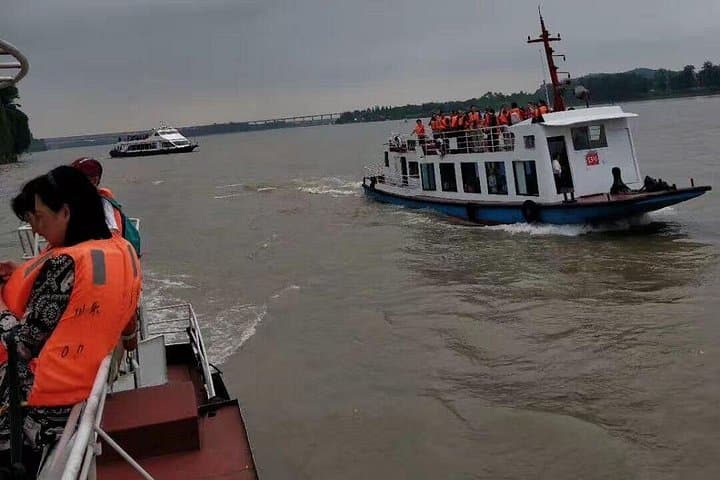
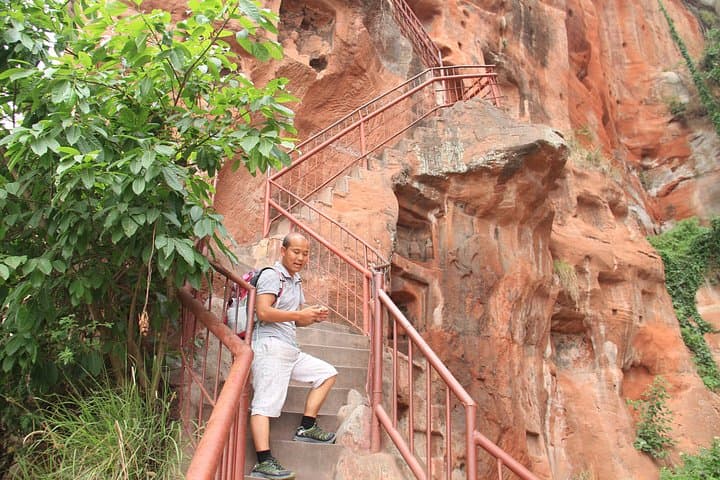
A short climb on carved stairs offers close-up study of the sculpture’s scale and a sweeping panorama of the confluence below, while a downstream boat ride presents the Buddha in full silhouette against the river—a contrasting, quieter perspective.
Practical edge: expect lots of steps and uneven stone; comfortable, grippy shoes and water matter more than fashion. Mornings bring cooler light and thinner crowds; rain can make paths slippery. Private tours often include transport, admission and lunch—use that time to try local Sichuan pepper‑forward dishes in a nearby restaurant. Bring a lightweight layer, sunscreen and a small daypack for cameras, cash and a bottle of water. The experience is equal parts cultural pilgrimage and riverside geology—direct, tactile, and best seen with time to climb and to float past.
easy.
8 hours.
Suitable for most fitness levels but requires stair climbing and short uphill walks; basic mobility recommended
Approximately 150 km and roughly 2.5 hours each way by car, depending on traffic.
Many viewing areas require steep stairs; river boat views offer a lower‑impact perspective but full access to the cliff paths is limited for those with mobility challenges.
Private day tours often include entrance tickets and boat rides—confirm with your operator before booking.
Early morning provides cooler light and smaller crowds; late afternoon can offer warm tones but may be busier.
Carved during the Tang dynasty by a monk named Hai Tong to calm dangerous currents where three rivers meet, the Buddha has been a focal point of pilgrimage for over a millennium.
The site is part of a UNESCO listing with Mount Emei; preservation measures manage foot traffic and limit certain restorations to reduce erosion of the sandstone.
happychinatours operates guided outdoor trips and adventures with an emphasis on safety, stewardship, and memorable experiences.
You leave Chengdu while the city still yawns, sliding east along highways that cut through Sichuan's flat agricultural plain. After roughly 150 km and about 2.5 hours’ drive the river valley opens and the cliff-face appears: a 71‑meter carved Buddha gazes down where three rivers meet, stone shoulders and knees interrupting the current.
You leave Chengdu while the city still yawns, sliding east along highways that cut through Sichuan's flat agricultural plain. After roughly 150 km and about 2.5 hours’ drive the river valley opens and the cliff-face appears: a 71‑meter carved Buddha gazes down where three rivers meet, stone shoulders and knees interrupting the current.
Carved during the Tang dynasty (8th century) by monks determined to calm treacherous currents, the Leshan Giant Buddha sits on a band of red‑brown sandstone that holds centuries of river traffic in its grain. Lingyun Temple perches above the monument; its courtyards and museum keep registers of the site's religious life and the engineers who fashioned the drain system built into the statue to reduce erosion.
A short climb on carved stairs offers close-up study of the sculpture’s scale and a sweeping panorama of the confluence below, while a downstream boat ride presents the Buddha in full silhouette against the river—a contrasting, quieter perspective.
Practical edge: expect lots of steps and uneven stone; comfortable, grippy shoes and water matter more than fashion. Mornings bring cooler light and thinner crowds; rain can make paths slippery. Private tours often include transport, admission and lunch—use that time to try local Sichuan pepper‑forward dishes in a nearby restaurant. Bring a lightweight layer, sunscreen and a small daypack for cameras, cash and a bottle of water. The experience is equal parts cultural pilgrimage and riverside geology—direct, tactile, and best seen with time to climb and to float past.