THE ADVENTURE COLLECTIVE® · Independent discovery and booking for outdoor travel

Follow a private 10-day route from Chengdu to Everest Base Camp, combining Chengdu’s panda sanctuaries with Lhasa’s palaces and a high-altitude push to Rongbuk. Expect cultural depth, long drives, and careful acclimatization.
Follow a private 10-day route from Chengdu to Everest Base Camp, combining Chengdu’s panda sanctuaries with Lhasa’s palaces and a high-altitude push to Rongbuk. Expect cultural depth, long drives, and careful acclimatization.
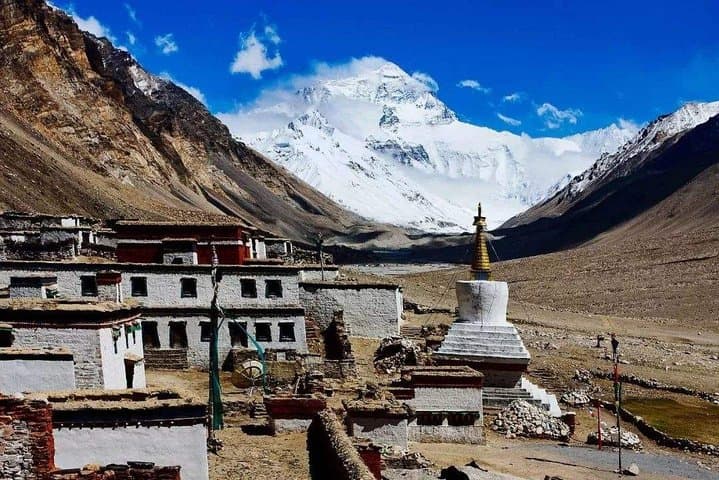
The road opens like a changing film: Sichuan plains give way to high passes, prayer flags stitch the horizon and, finally, Everest’s ice-boned profile appears above the dusty plateau. Early mornings in Chengdu start with tea and pandas; ten days later the air is thin, cold and full of clear light at Rongbuk.
Verified experiences and guided adventures in the surrounding area.
Operated by happychinatours · Lhasa, Tibet Autonomous Region
The road opens like a changing film: Sichuan plains give way to high passes, prayer flags stitch the horizon and, finally, Everest’s ice-boned profile appears above the dusty plateau. Early mornings in Chengdu start with tea and pandas; ten days later the air is thin, cold and full of clear light at Rongbuk.
This itinerary threads major cultural sites—Chengdu Panda Base, Leshan’s Ming-carved Giant Buddha, and Lhasa’s Potala and Jokhang—into a classic overland approach to Everest via Gyantse and Shigatse. Geology explains the drama: the uplift of the Tibetan Plateau and ongoing collision of the Indian and Eurasian plates raise passes above 4,500–5,200 m and carve the sharply folded valleys you’ll cross. Buddhism and imperial history converge in the monasteries and the stacked white-washed palaces; caravan-era trade routes shaped Gyantse and Shigatse into regional hubs.
Travelers will feel the cultural cadence—monastic debate at Sera, market life on Barkhor, and the quiet of Rongbuk Monastery at dawn.
Practical guidance: acclimatization is the trip’s backbone—expect incremental climbs in sleeping altitude and rest days in Lhasa. Bring layered clothing for large diurnal swings, sun protection for intense UV, and a small pharmacy for altitude symptoms. Permits for travel in Tibet are required and typically handled in advance; confirm paperwork and flight segments from Chengdu to Lhasa ahead of time. Roads are long; comfortable transport and a private guide make logistics manageable. Time your camera for first- and last-light at Everest Base Camp and plan flexible windows for weather-dependent vistas.
challenging.
10 days (approx. 240 hours).
Moderate-to-good cardiovascular fitness recommended due to extended driving and repeated exposure to high altitude; not technical but stamina helps.
Yes—foreign visitors require a Tibet Travel Permit (and additional permits for restricted areas like Everest). Operators typically secure these before travel; confirm documents well in advance.
Altitude is the main risk: sleeping elevations rise to ~5,000 m. Proper acclimatization, hydration and resting in Lhasa reduce risk; consult a physician about preventive medication.
This tour includes an economy flight from Chengdu to Lhasa as listed—verify flight times during booking and allow flexibility for delays.
No mountaineering skill is required, but travelers should be comfortable with long drives, short walks and moderate exertion at altitude.
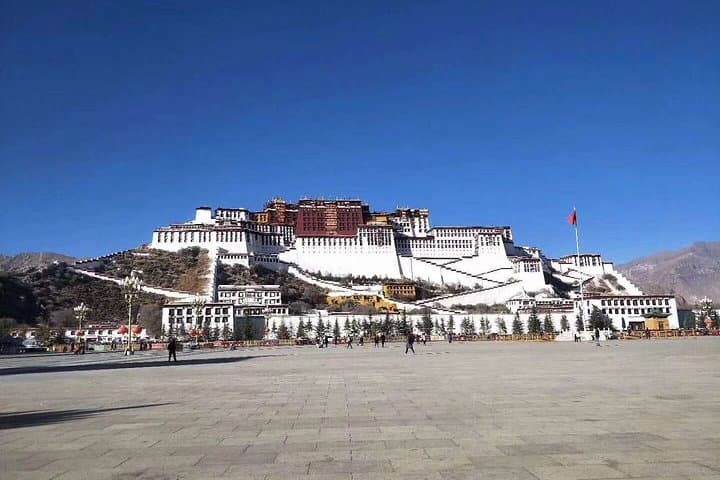
The Potala Palace evolved from a 7th-century palace to the 17th-century seat of Tibetan governance; the Friendship Highway you’ll travel traces modern routes that linked historic caravan ways.
The Tibetan Plateau is ecologically fragile—minimize waste, stay on established roads and lodgings, and respect local water and fuel resources.
happychinatours operates guided outdoor trips and adventures with an emphasis on safety, stewardship, and memorable experiences.
The road opens like a changing film: Sichuan plains give way to high passes, prayer flags stitch the horizon and, finally, Everest’s ice-boned profile appears above the dusty plateau. Early mornings in Chengdu start with tea and pandas; ten days later the air is thin, cold and full of clear light at Rongbuk.
The road opens like a changing film: Sichuan plains give way to high passes, prayer flags stitch the horizon and, finally, Everest’s ice-boned profile appears above the dusty plateau. Early mornings in Chengdu start with tea and pandas; ten days later the air is thin, cold and full of clear light at Rongbuk.
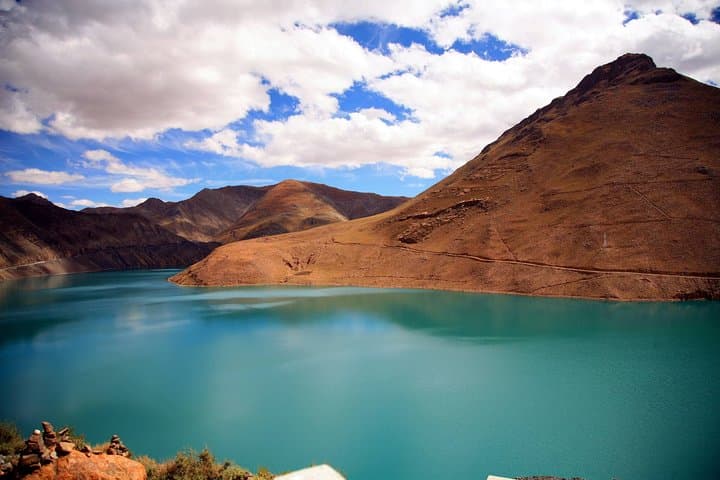
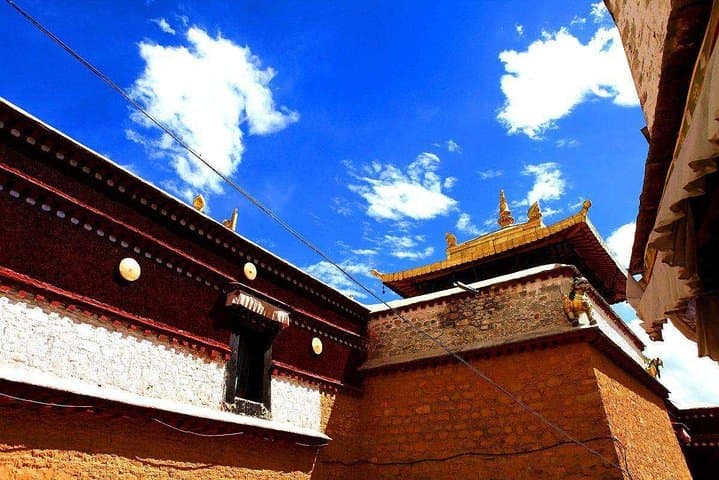
This itinerary threads major cultural sites—Chengdu Panda Base, Leshan’s Ming-carved Giant Buddha, and Lhasa’s Potala and Jokhang—into a classic overland approach to Everest via Gyantse and Shigatse. Geology explains the drama: the uplift of the Tibetan Plateau and ongoing collision of the Indian and Eurasian plates raise passes above 4,500–5,200 m and carve the sharply folded valleys you’ll cross. Buddhism and imperial history converge in the monasteries and the stacked white-washed palaces; caravan-era trade routes shaped Gyantse and Shigatse into regional hubs.
Travelers will feel the cultural cadence—monastic debate at Sera, market life on Barkhor, and the quiet of Rongbuk Monastery at dawn.
Practical guidance: acclimatization is the trip’s backbone—expect incremental climbs in sleeping altitude and rest days in Lhasa. Bring layered clothing for large diurnal swings, sun protection for intense UV, and a small pharmacy for altitude symptoms. Permits for travel in Tibet are required and typically handled in advance; confirm paperwork and flight segments from Chengdu to Lhasa ahead of time. Roads are long; comfortable transport and a private guide make logistics manageable. Time your camera for first- and last-light at Everest Base Camp and plan flexible windows for weather-dependent vistas.