THE ADVENTURE COLLECTIVE® · Independent discovery and booking for outdoor travel

See pandas at dawn, stand beneath the world's largest sitting Buddha, and hike Mt. Emei with a local guide on this private 3-night Sichuan circuit. Practical logistics, cultural context and route tips prepare travelers for a compact, nature-forward itinerary.
See pandas at dawn, stand beneath the world's largest sitting Buddha, and hike Mt. Emei with a local guide on this private 3-night Sichuan circuit. Practical logistics, cultural context and route tips prepare travelers for a compact, nature-forward itinerary.
Stepping out of Chengdu’s humid morning into the quiet bamboo enclosures at the Panda Breeding Center, the day opens with the deliberate munching of pandas and the soft clack of cameras. By afternoon the road bends toward Leshan, where the river slows and the world tilts around a 71-meter carved Buddha watching the confluence below. On the second night the steam of Emei hot springs pulls you toward the mountain’s foothills like a hand guiding tired legs.
Verified experiences and guided adventures in the surrounding area.
Operated by SilkRoadTrips · Chengdu, Sichuan
Stepping out of Chengdu’s humid morning into the quiet bamboo enclosures at the Panda Breeding Center, the day opens with the deliberate munching of pandas and the soft clack of cameras. By afternoon the road bends toward Leshan, where the river slows and the world tilts around a 71-meter carved Buddha watching the confluence below. On the second night the steam of Emei hot springs pulls you toward the mountain’s foothills like a hand guiding tired legs.
This trip threads cultural and natural highlights: Chengdu’s teahouse culture and Ming-Qing alleys, the Tang-dynasty origins of the Leshan Giant Buddha—carved to calm treacherous currents—and Mt. Emei, one of China’s four sacred Buddhist mountains with temples zeroing upward through cloud and forest. Geologically the region sits within the upper Yangtze watershed; rivers have sculpted deep valleys and allowed subtropical forest to take hold on Emei’s slopes, where rock outcrops punctuate tree cover and macaques move like punctuation marks along trails.
Expect a mix of gentle walking, temple steps and optional mountain routes; guides provide route maps and transport by private vehicle, and a bullet train returns you to Chengdu at the trip’s close. Practical points: book mornings for panda viewing, bring layered clothing for shifting elevation on Emei, and keep passport and visas current for travel and ticketing. Hydrate on hikes, protect electronics in humid weather, and leave offerings and litter behind—these places are both living culture and fragile ecosystem.
moderate.
4 days.
Suitable for travelers in light-to-moderate fitness; includes walking, temple steps and optional hikes up Emei where cable cars are available for less strenuous options.
No—routes range from gentle temple walks to longer ridge hikes; many travelers use cable cars and pick shorter paths with their guide.
The itinerary includes admission at listed sites and a second-class fast train from Emeishan to Chengdu as noted in the inclusions.
Early morning feeding sessions are the best time to see panda activity; mid-afternoon they often nap and are less visible.
Yes—hot spring hotels follow hygiene standards, but check water temperature and avoid prolonged soaking if dehydrated after strenuous activity.
Leshan’s Giant Buddha was begun in the Tang dynasty to subdue dangerous river currents; Mt. Emei has been an active Buddhist pilgrimage site for centuries, with temples layered up its slopes.
Conservation efforts focus on protecting panda habitat and controlling tourism impact on Emei’s forests; visitors should stay on trails, avoid feeding wildlife and minimize waste.
SilkRoadTrips operates guided outdoor trips and adventures with an emphasis on safety, stewardship, and memorable experiences.
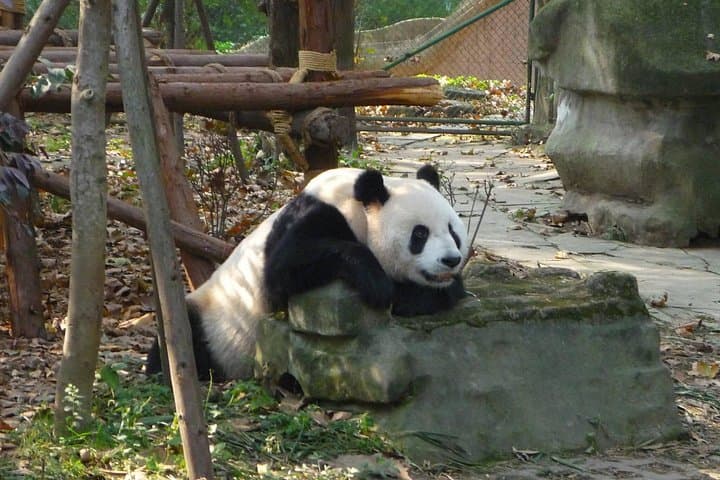

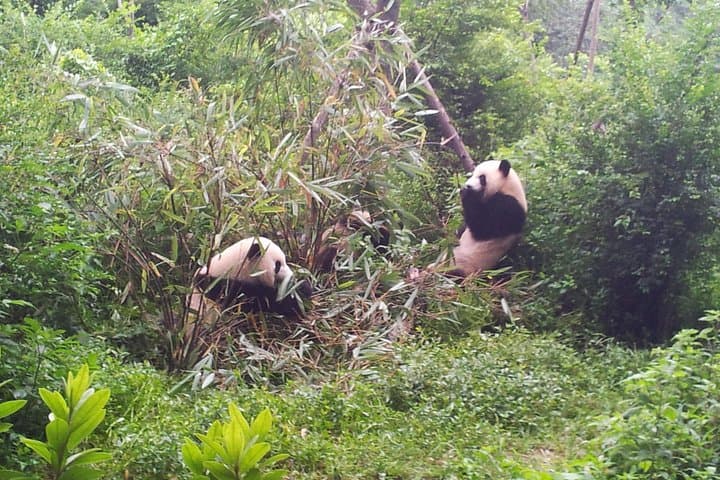
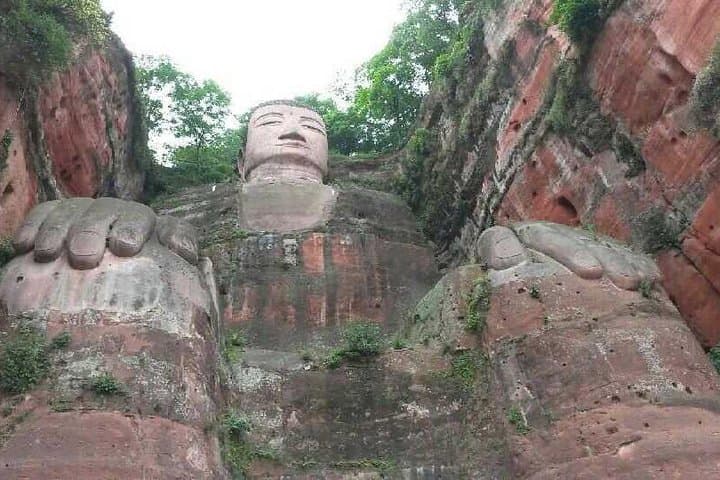
Stepping out of Chengdu’s humid morning into the quiet bamboo enclosures at the Panda Breeding Center, the day opens with the deliberate munching of pandas and the soft clack of cameras. By afternoon the road bends toward Leshan, where the river slows and the world tilts around a 71-meter carved Buddha watching the confluence below. On the second night the steam of Emei hot springs pulls you toward the mountain’s foothills like a hand guiding tired legs.
Stepping out of Chengdu’s humid morning into the quiet bamboo enclosures at the Panda Breeding Center, the day opens with the deliberate munching of pandas and the soft clack of cameras. By afternoon the road bends toward Leshan, where the river slows and the world tilts around a 71-meter carved Buddha watching the confluence below. On the second night the steam of Emei hot springs pulls you toward the mountain’s foothills like a hand guiding tired legs.
This trip threads cultural and natural highlights: Chengdu’s teahouse culture and Ming-Qing alleys, the Tang-dynasty origins of the Leshan Giant Buddha—carved to calm treacherous currents—and Mt. Emei, one of China’s four sacred Buddhist mountains with temples zeroing upward through cloud and forest. Geologically the region sits within the upper Yangtze watershed; rivers have sculpted deep valleys and allowed subtropical forest to take hold on Emei’s slopes, where rock outcrops punctuate tree cover and macaques move like punctuation marks along trails.
Expect a mix of gentle walking, temple steps and optional mountain routes; guides provide route maps and transport by private vehicle, and a bullet train returns you to Chengdu at the trip’s close. Practical points: book mornings for panda viewing, bring layered clothing for shifting elevation on Emei, and keep passport and visas current for travel and ticketing. Hydrate on hikes, protect electronics in humid weather, and leave offerings and litter behind—these places are both living culture and fragile ecosystem.