THE ADVENTURE COLLECTIVE® · Independent discovery and booking for outdoor travel

Two days moving from panda research to UNESCO stonework and a sacred mountain—this compact tour pairs wildlife viewing at the Chengdu Panda Base with the monumental Leshan Buddha and Emei Mountain’s summit vistas. Expect cable cars, shuttle buses, and cultural sites shaped by a thousand years of Buddhist pilgrimage.
Two days moving from panda research to UNESCO stonework and a sacred mountain—this compact tour pairs wildlife viewing at the Chengdu Panda Base with the monumental Leshan Buddha and Emei Mountain’s summit vistas. Expect cable cars, shuttle buses, and cultural sites shaped by a thousand years of Buddhist pilgrimage.
You step out of Chengdu traffic onto a quiet coach at dawn and the city’s heat gives way to river valleys and tea terraces. By mid-morning the Chengdu Research Base hums with keeper voices and bamboo chimes as giant pandas laze or clamber—an intimate primer in conservation before the stone calm of the Leshan Giant Buddha.
Verified experiences and guided adventures in the surrounding area.
Operated by Century Holiday · Chengdu, Sichuan
You step out of Chengdu traffic onto a quiet coach at dawn and the city’s heat gives way to river valleys and tea terraces. By mid-morning the Chengdu Research Base hums with keeper voices and bamboo chimes as giant pandas laze or clamber—an intimate primer in conservation before the stone calm of the Leshan Giant Buddha.
The Buddha, carved into a cliff during the Tang Dynasty, stares down over the confluence of three rivers; its scale and weathered robes tell a thousand-year story of engineering, ritual, and river trade. From there the road climbs to Meishan and the foot of Mount Emei, a sacred Buddhist massif whose temples and switchback trails have guided pilgrims for over a millennium. Geologically, Emei rises from the Sichuan Basin with granite summits, cloud-scraped ridgelines, and ancient fir forests that throttle fog into dramatic summit views.
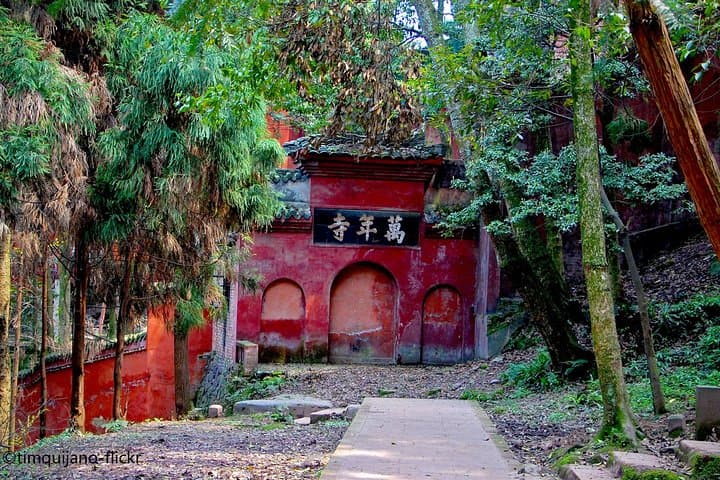
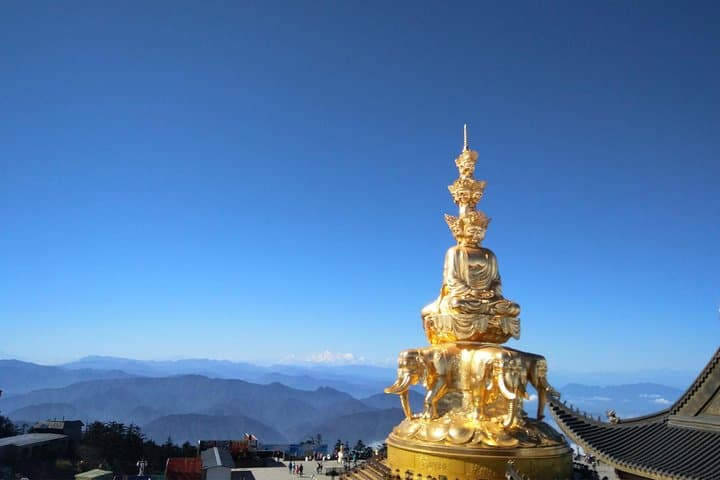
Day two balances convenience and effort: shuttle buses and cable cars shorten the ascent to Golden Summit, but there are still steep stairways, temple courtyards, and exposed viewpoints where weather dictates the experience. Expect Buddhist iconography, bronze bells, and the chance to hear monks chanting at Wannian Temple.
Practical note: the itinerary is seat-in-coach with one hotel night in Baoguo Temple area and a second-class bullet train back to Chengdu. Carry cash for lunches, wear grippy shoes for stone steps, and allow time for photography at Leshan’s riverside and Emei’s summit outlooks. Book outside national holidays and confirm downtown pickup the day before.
moderate.
2 days.
Suitable for travelers with reasonable mobility; requires stair climbing and standing for several hours, but no technical fitness.
Expect several hours of walking on paved and stone paths with stair sections; cable cars and shuttle buses reduce elevation gain but you will still climb and descend steps.
The base houses many pandas but animal activity varies; mornings give the best chance to observe feeding and play, though sightings aren’t guaranteed.
Boat rides are commonly available to view the Buddha from the river; on-foot access to stairways is often offered but may be restricted due to conservation work—check current operations before travel.
Foreign travelers must carry a passport; the operator requests passport details at booking for train tickets and pickup—ensure your visa is valid for entry to China.
Leshan’s Buddha was carved in the Tang Dynasty to calm river turbulence; Mount Emei has hosted Buddhist practice for over a thousand years, with surviving temples like Wannian dating back centuries.
The Chengdu Research Base focuses on captive breeding and habitat research; visitors should stick to paths, avoid feeding wildlife, and support local conservation donations where available.
Century Holiday operates guided outdoor trips and adventures with an emphasis on safety, stewardship, and memorable experiences.
You step out of Chengdu traffic onto a quiet coach at dawn and the city’s heat gives way to river valleys and tea terraces. By mid-morning the Chengdu Research Base hums with keeper voices and bamboo chimes as giant pandas laze or clamber—an intimate primer in conservation before the stone calm of the Leshan Giant Buddha.
You step out of Chengdu traffic onto a quiet coach at dawn and the city’s heat gives way to river valleys and tea terraces. By mid-morning the Chengdu Research Base hums with keeper voices and bamboo chimes as giant pandas laze or clamber—an intimate primer in conservation before the stone calm of the Leshan Giant Buddha.
The Buddha, carved into a cliff during the Tang Dynasty, stares down over the confluence of three rivers; its scale and weathered robes tell a thousand-year story of engineering, ritual, and river trade. From there the road climbs to Meishan and the foot of Mount Emei, a sacred Buddhist massif whose temples and switchback trails have guided pilgrims for over a millennium. Geologically, Emei rises from the Sichuan Basin with granite summits, cloud-scraped ridgelines, and ancient fir forests that throttle fog into dramatic summit views.
Day two balances convenience and effort: shuttle buses and cable cars shorten the ascent to Golden Summit, but there are still steep stairways, temple courtyards, and exposed viewpoints where weather dictates the experience. Expect Buddhist iconography, bronze bells, and the chance to hear monks chanting at Wannian Temple.
Practical note: the itinerary is seat-in-coach with one hotel night in Baoguo Temple area and a second-class bullet train back to Chengdu. Carry cash for lunches, wear grippy shoes for stone steps, and allow time for photography at Leshan’s riverside and Emei’s summit outlooks. Book outside national holidays and confirm downtown pickup the day before.