THE ADVENTURE COLLECTIVE® · Independent discovery and booking for outdoor travel

Explore an active 2,300-year-old irrigation system and Chengdu’s historic heart on a private eight‑hour tour. Walk ancient stoneworks at Dujiangyan, visit Wuhou Temple’s historic halls, and sample Jinli Street’s street food and crafts.
Explore an active 2,300-year-old irrigation system and Chengdu’s historic heart on a private eight‑hour tour. Walk ancient stoneworks at Dujiangyan, visit Wuhou Temple’s historic halls, and sample Jinli Street’s street food and crafts.
You set out from Chengdu at first light, the city’s edges giving way to low, forested hills as the Minjiang river’s voice grows louder. The road curves toward Dujiangyan and, at the river’s bend, an engineering solution from 256 BC still shapes the landscape: stone channels and levees that tame the current while letting it breathe.
Verified experiences and guided adventures in the surrounding area.
Operated by China Tour Company · Chengdu, Sichuan
You set out from Chengdu at first light, the city’s edges giving way to low, forested hills as the Minjiang river’s voice grows louder. The road curves toward Dujiangyan and, at the river’s bend, an engineering solution from 256 BC still shapes the landscape: stone channels and levees that tame the current while letting it breathe.
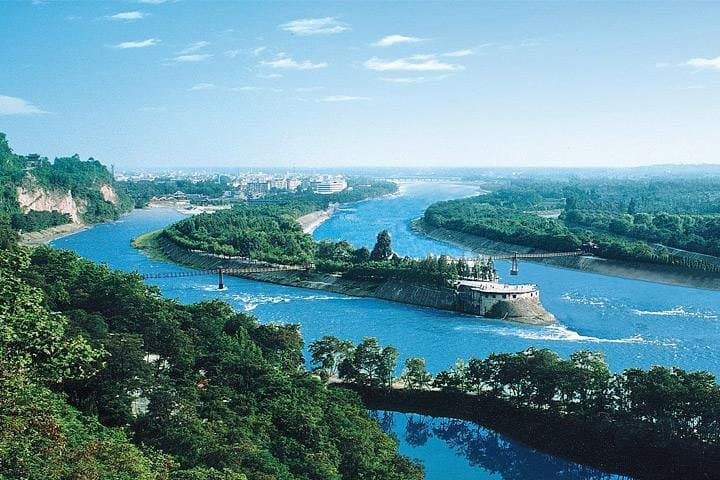
Dujiangyan is both history and living hydrology. Built by Li Bing and his team in the Qin era, the system diverts and regulates floodwater without dams, using a braided network of diversion channels and the fish mouth levee. The surrounding geomorphology — steep valley walls, alluvial plains, and eroded terraces — explains why this spot demanded innovation and why the countryside here favors rice paddies and willow groves.
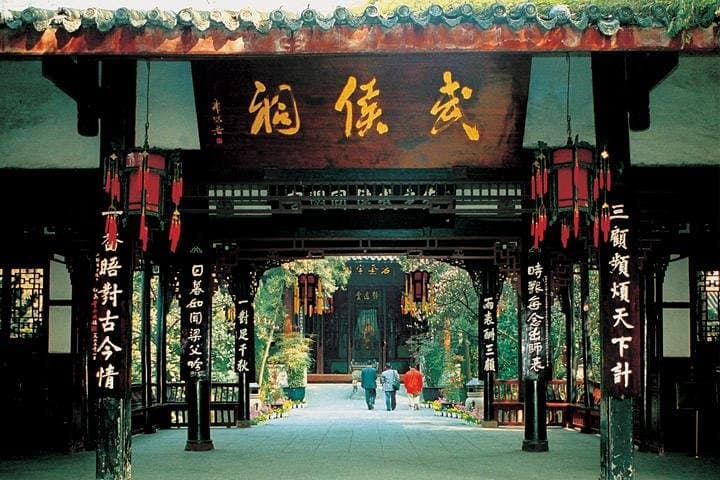
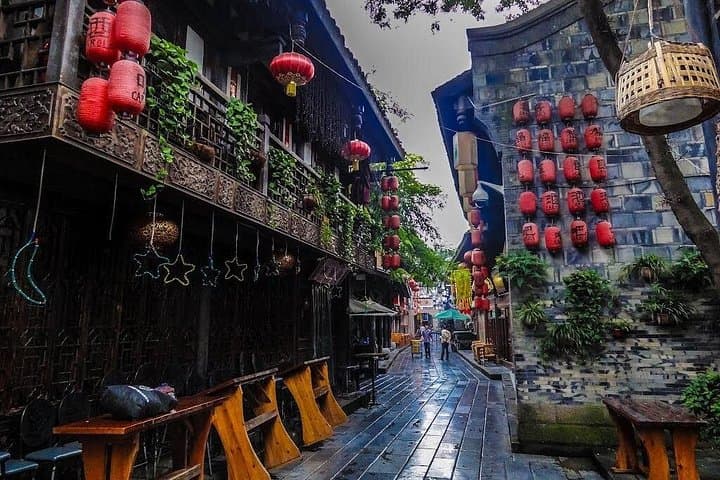
Back in Chengdu, Wuhou Temple presses you up close to Shu kingdom history: lacquered halls, carved memorials, and cypress trees that have seen generations pass. Jinli Street provides a counterpoint — alleys of teahouses, lacquered crafts, and Sichuan snacks that puncture the day with spice and texture.
Practical guidance: allow a full eight hours for pickup, travel, site exploration and a street-food stroll. Wear grippy walking shoes for uneven stone paths at Dujiangyan, bring sun protection, and keep cash for small vendors. The tour’s private guide decodes archaeological detail and suggests a Sichuan lunch stop en route. If you’re curious about civil engineering, hydrology, or regional culture, this day trip gives a hands-on primer — ancient technology meeting modern use, with rivers that still decide the shape of life here.
easy.
8 hours.
Light walking and short stair sections; suitable for most fitness levels with basic mobility
The drive typically takes about 1 hour each way depending on traffic, so expect roughly two hours of total driving within the eight‑hour tour.
For the private tour option, entrance fees to listed attractions are included; confirm details with the operator when booking.
Yes—this tour is rated suitable for all fitness levels, but it’s not recommended for travelers with serious spinal, heart, or pregnancy concerns; some walking and stairs are required.
An English-speaking guide is provided for private tours; specify language needs at booking to ensure availability.
Dujiangyan was constructed in 256 BC by Li Bing and represents one of the oldest water-management projects still in use; Wuhou Temple commemorates figures from the Three Kingdoms era.
The irrigation system is a living cultural landscape—respect channels and terraces, avoid littering, and use local guides to support sustainable tourism.
China Tour Company operates guided outdoor trips and adventures with an emphasis on safety, stewardship, and memorable experiences.

You set out from Chengdu at first light, the city’s edges giving way to low, forested hills as the Minjiang river’s voice grows louder. The road curves toward Dujiangyan and, at the river’s bend, an engineering solution from 256 BC still shapes the landscape: stone channels and levees that tame the current while letting it breathe.
You set out from Chengdu at first light, the city’s edges giving way to low, forested hills as the Minjiang river’s voice grows louder. The road curves toward Dujiangyan and, at the river’s bend, an engineering solution from 256 BC still shapes the landscape: stone channels and levees that tame the current while letting it breathe.
Dujiangyan is both history and living hydrology. Built by Li Bing and his team in the Qin era, the system diverts and regulates floodwater without dams, using a braided network of diversion channels and the fish mouth levee. The surrounding geomorphology — steep valley walls, alluvial plains, and eroded terraces — explains why this spot demanded innovation and why the countryside here favors rice paddies and willow groves.
Back in Chengdu, Wuhou Temple presses you up close to Shu kingdom history: lacquered halls, carved memorials, and cypress trees that have seen generations pass. Jinli Street provides a counterpoint — alleys of teahouses, lacquered crafts, and Sichuan snacks that puncture the day with spice and texture.
Practical guidance: allow a full eight hours for pickup, travel, site exploration and a street-food stroll. Wear grippy walking shoes for uneven stone paths at Dujiangyan, bring sun protection, and keep cash for small vendors. The tour’s private guide decodes archaeological detail and suggests a Sichuan lunch stop en route. If you’re curious about civil engineering, hydrology, or regional culture, this day trip gives a hands-on primer — ancient technology meeting modern use, with rivers that still decide the shape of life here.