THE ADVENTURE COLLECTIVE® · Independent discovery and booking for outdoor travel

A six-day, bus-based introduction to Chengdu that pairs early-morning panda visits with deep-dive museum stops, historic streets, and lively night scenes. Ideal for travelers who want culture, local food, and easy logistics in one compact trip.
A six-day, bus-based introduction to Chengdu that pairs early-morning panda visits with deep-dive museum stops, historic streets, and lively night scenes. Ideal for travelers who want culture, local food, and easy logistics in one compact trip.
Morning light lifts across Chengdu’s broad boulevards as your bus eases into the city—steam from a street vendor’s wok curls like a promise, and the panda base waits beyond the ring road.
Verified experiences and guided adventures in the surrounding area.
Operated by Travel Chengdu · Chengdu, Sichuan
Morning light lifts across Chengdu’s broad boulevards as your bus eases into the city—steam from a street vendor’s wok curls like a promise, and the panda base waits beyond the ring road.
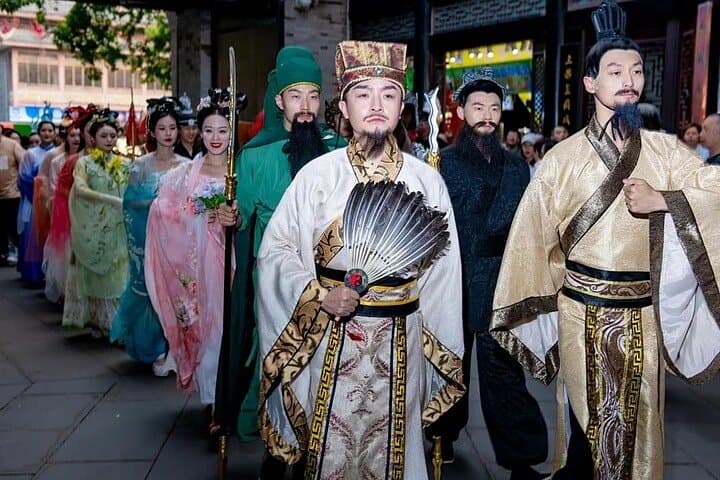
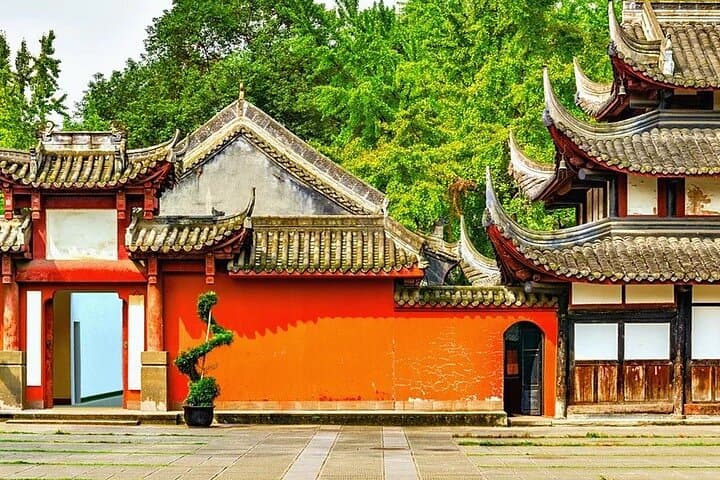
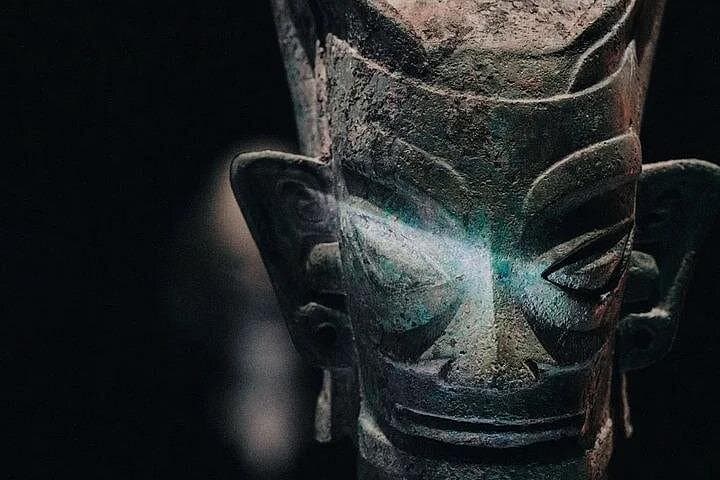
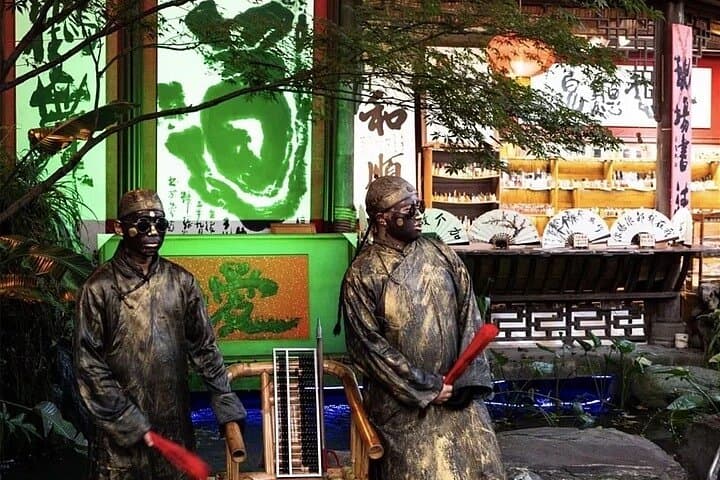
Over six compact days the itinerary threads contemporary Chengdu with deep-time artifacts: mornings at the Chengdu Research Base of Giant Panda Breeding to watch bamboo-munching residents, afternoons among bronzes and relics at Sanxingdui or the Jinsha Site Museum, and evenings wandering Jinli and the Global Center’s neon edges. The Sichuan Basin’s low, fertile plain shaped Chengdu’s history as a transport and cultural crossroads; artifacts from Sanxingdui hint at civilizations that predate the Qin, while Wenshu Monastery and Wuhou Shrine show the city’s Tang-to-Ming religious and literary layers.
Expect a mix of urban walking, short drives, and museum time rather than rugged outdoors; the landscape is river-fed and agricultural rather than alpine, so weather often dictates comfort. Local life centers on tea houses and markets—stop for a cup where locals play mahjong and let the city’s rhythm slow you.
Practical notes: the tour provides airport transfers, five breakfasts, museum admissions, and an air‑conditioned vehicle; moderate fitness is advised for walking and short staircases. Visit the panda base early to see active animals, carry small local currency for markets, pack a light rain jacket for spring and summer showers, and bring comfortable walking shoes. This is a culturally rich, travel‑easy introduction to Chengdu’s history, food, and wildlife.
moderate.
6 days.
Moderate — able to walk 2–4 miles across a day, stand during museum tours, and manage short staircases.
Yes — the itinerary indicates admission to the Chengdu Panda Base and selected museums is included in the tour price.
Moderate fitness is recommended: expect city walking, short stair climbs, and several hours on your feet during museum and market visits.
Yes — the tour includes airport pickup on arrival and a hotel-to-airport transfer on departure.
The tour lists a professional tour guide; language options vary by operator—confirm English or other language needs when booking.
Chengdu sits in the agriculturally rich Sichuan Basin; nearby Sanxingdui artifacts reveal advanced Bronze Age cultures that rewrote regional history.
The panda base focuses on captive-breeding and reintroduction research; visitors should follow viewing rules and avoid crowding to minimize stress on animals.
Travel Chengdu operates guided outdoor trips and adventures with an emphasis on safety, stewardship, and memorable experiences.
Morning light lifts across Chengdu’s broad boulevards as your bus eases into the city—steam from a street vendor’s wok curls like a promise, and the panda base waits beyond the ring road.
Morning light lifts across Chengdu’s broad boulevards as your bus eases into the city—steam from a street vendor’s wok curls like a promise, and the panda base waits beyond the ring road.
Over six compact days the itinerary threads contemporary Chengdu with deep-time artifacts: mornings at the Chengdu Research Base of Giant Panda Breeding to watch bamboo-munching residents, afternoons among bronzes and relics at Sanxingdui or the Jinsha Site Museum, and evenings wandering Jinli and the Global Center’s neon edges. The Sichuan Basin’s low, fertile plain shaped Chengdu’s history as a transport and cultural crossroads; artifacts from Sanxingdui hint at civilizations that predate the Qin, while Wenshu Monastery and Wuhou Shrine show the city’s Tang-to-Ming religious and literary layers.
Expect a mix of urban walking, short drives, and museum time rather than rugged outdoors; the landscape is river-fed and agricultural rather than alpine, so weather often dictates comfort. Local life centers on tea houses and markets—stop for a cup where locals play mahjong and let the city’s rhythm slow you.
Practical notes: the tour provides airport transfers, five breakfasts, museum admissions, and an air‑conditioned vehicle; moderate fitness is advised for walking and short staircases. Visit the panda base early to see active animals, carry small local currency for markets, pack a light rain jacket for spring and summer showers, and bring comfortable walking shoes. This is a culturally rich, travel‑easy introduction to Chengdu’s history, food, and wildlife.