THE ADVENTURE COLLECTIVE® · Independent discovery and booking for outdoor travel

Spend a focused morning at the Chengdu Research Base of Giant Panda Breeding, then customize an afternoon among Dujiangyan, Mount Qingcheng, Leshan Giant Buddha or Chengdu’s cultural sites. A private guide and transport make this an efficient, wildlife-forward day trip.
Spend a focused morning at the Chengdu Research Base of Giant Panda Breeding, then customize an afternoon among Dujiangyan, Mount Qingcheng, Leshan Giant Buddha or Chengdu’s cultural sites. A private guide and transport make this an efficient, wildlife-forward day trip.
Morning light filters through bamboo leaves as you arrive at the Chengdu Research Base of Giant Panda Breeding—pandas moving between shaded enclosures, young cubs tumbling, adults methodically chewing bamboo. The scene is intimate but clinical: conservation pens, research centers, and viewing platforms that place you close to one of China’s most recognizable endangered animals.
Verified experiences and guided adventures in the surrounding area.
Operated by TravofChina · Chengdu, Sichuan
Morning light filters through bamboo leaves as you arrive at the Chengdu Research Base of Giant Panda Breeding—pandas moving between shaded enclosures, young cubs tumbling, adults methodically chewing bamboo. The scene is intimate but clinical: conservation pens, research centers, and viewing platforms that place you close to one of China’s most recognizable endangered animals.
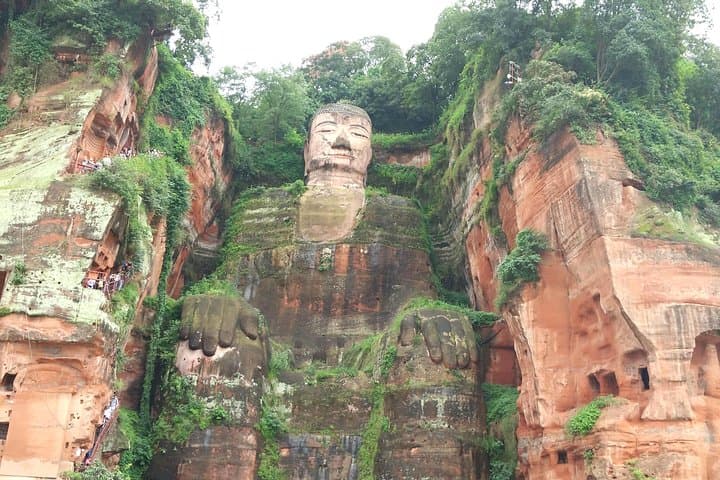
The base began in the 1980s as a focused breeding program; its work ties into Sichuan’s longer story of river-engineered agriculture, Daoist mountain retreats, and the ancient sites you can choose for an afternoon run—Dujiangyan’s irrigation channels, the holy slopes of Mount Qingcheng, or the monumental Leshan Buddha carved into red sandstone.
Geology here ranges from Chengdu’s flat alluvial plain to the cathedral-like granite of nearby peaks. Culture moves at its own pace: teahouses hum midafternoon, and Sichuan cuisine—a punch of chili and numbing pepper—drives conversations as much as appetite.
Practicalities shape the day. The tour is eight hours, with hotel pickup (around 8:00 a.m.), private transport, guide, and bottled water included; entrance fees and lunch are not. Pandas are busiest in the morning—plan to be at the base early for active viewing. Traffic can rearrange afternoon plans, so choose one nearby attraction if you want a relaxed visit.
Bring comfortable shoes for walking paths, a camera with zoom, and Chinese RMB for tickets and lunch. Expect a mix of soft paths and paved walkways, light crowds if you arrive early, and a guide who can tailor the afternoon to weather and time. This trip pairs wildlife viewing with flexible cultural exploration—efficient, intimate, and easy to customize.
easy.
8 hours.
Suitable for most fitness levels; requires walking short distances and standing at viewing platforms.
No, entrance tickets are not included—pay on the spot. Your guide can advise current prices and best ticket windows.
Yes; hotel pickup and drop-off within Chengdu are included in the private tour service.
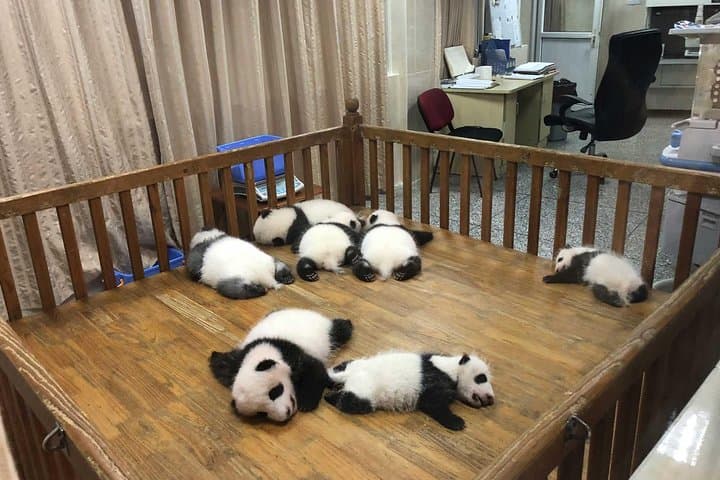
Possibly—young pandas are housed and shown depending on season and breeding schedules; mornings increase chances of seeing active juveniles.
Yes. Options include Dujiangyan, Mount Qingcheng, Leshan Giant Buddha, Sanxingdui Museum, and Chengdu’s cultural sites—pick one or two depending on traffic and time.
The Chengdu Research Base started in the 1980s to centralize panda breeding and research, linking modern conservation to centuries of Sichuan agricultural innovation.
The base focuses on captive breeding, habitat research, and reintroduction protocols; visitors are asked to follow viewing rules to minimize stress on animals.
TravofChina operates guided outdoor trips and adventures with an emphasis on safety, stewardship, and memorable experiences.
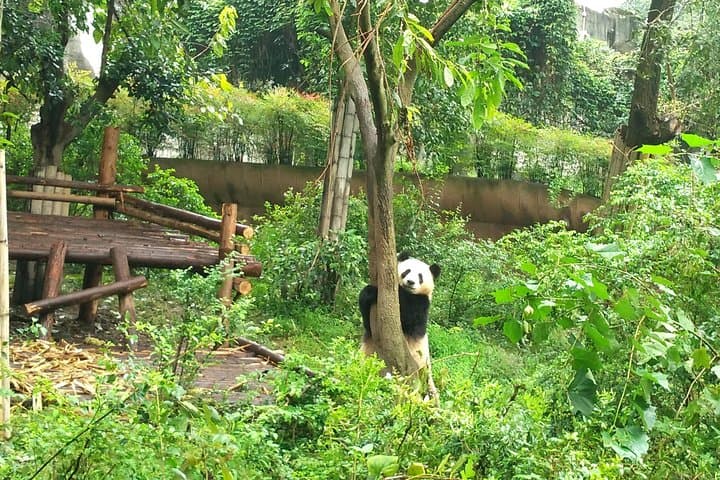
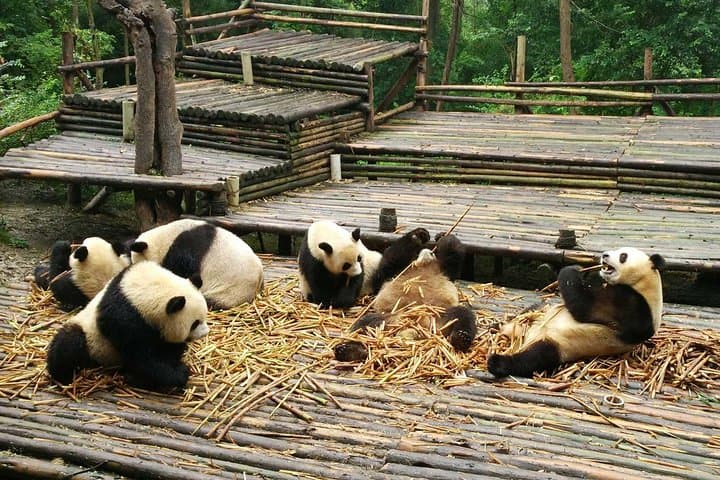
Morning light filters through bamboo leaves as you arrive at the Chengdu Research Base of Giant Panda Breeding—pandas moving between shaded enclosures, young cubs tumbling, adults methodically chewing bamboo. The scene is intimate but clinical: conservation pens, research centers, and viewing platforms that place you close to one of China’s most recognizable endangered animals.
Morning light filters through bamboo leaves as you arrive at the Chengdu Research Base of Giant Panda Breeding—pandas moving between shaded enclosures, young cubs tumbling, adults methodically chewing bamboo. The scene is intimate but clinical: conservation pens, research centers, and viewing platforms that place you close to one of China’s most recognizable endangered animals.
The base began in the 1980s as a focused breeding program; its work ties into Sichuan’s longer story of river-engineered agriculture, Daoist mountain retreats, and the ancient sites you can choose for an afternoon run—Dujiangyan’s irrigation channels, the holy slopes of Mount Qingcheng, or the monumental Leshan Buddha carved into red sandstone.
Geology here ranges from Chengdu’s flat alluvial plain to the cathedral-like granite of nearby peaks. Culture moves at its own pace: teahouses hum midafternoon, and Sichuan cuisine—a punch of chili and numbing pepper—drives conversations as much as appetite.
Practicalities shape the day. The tour is eight hours, with hotel pickup (around 8:00 a.m.), private transport, guide, and bottled water included; entrance fees and lunch are not. Pandas are busiest in the morning—plan to be at the base early for active viewing. Traffic can rearrange afternoon plans, so choose one nearby attraction if you want a relaxed visit.
Bring comfortable shoes for walking paths, a camera with zoom, and Chinese RMB for tickets and lunch. Expect a mix of soft paths and paved walkways, light crowds if you arrive early, and a guide who can tailor the afternoon to weather and time. This trip pairs wildlife viewing with flexible cultural exploration—efficient, intimate, and easy to customize.