THE ADVENTURE COLLECTIVE® · Independent discovery and booking for outdoor travel

Start at dawn among bamboo and playful pandas, then trade wildlife for archaeology in the Jinsha Site Museum. This private day tour pairs early-morning panda viewing with curated cultural stops and door-to-door transport.
Start at dawn among bamboo and playful pandas, then trade wildlife for archaeology in the Jinsha Site Museum. This private day tour pairs early-morning panda viewing with curated cultural stops and door-to-door transport.
Morning light slides across bamboo groves as your guide steers through Chengdu's quieter streets toward the research base where giant pandas wake for breakfast.
Verified experiences and guided adventures in the surrounding area.
Operated by Travel China Guide · Chengdu, Sichuan
Morning light slides across bamboo groves as your guide steers through Chengdu's quieter streets toward the research base where giant pandas wake for breakfast.
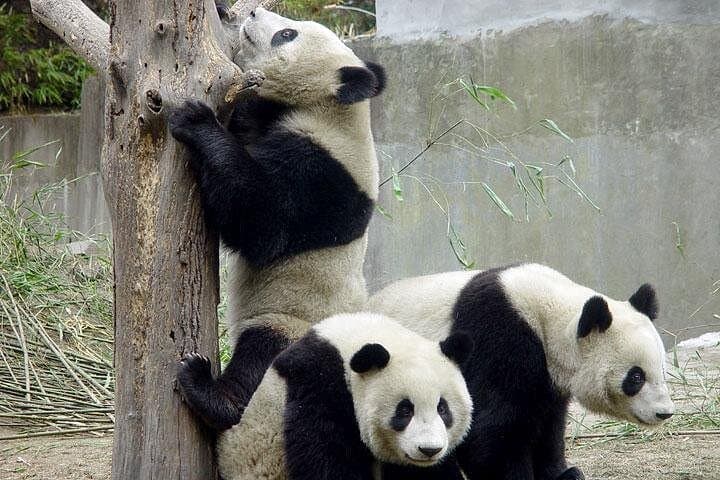
At the Chengdu Research Base of Giant Panda the animals are active and unhurried — cubs batting at bamboo shoots while adults recline and methodically strip leaves. The facility blends conservation science with public viewing: enclosures, nurseries and interpretive exhibits illustrate how captive-breeding and reintroduction programs have grown since the 1980s.
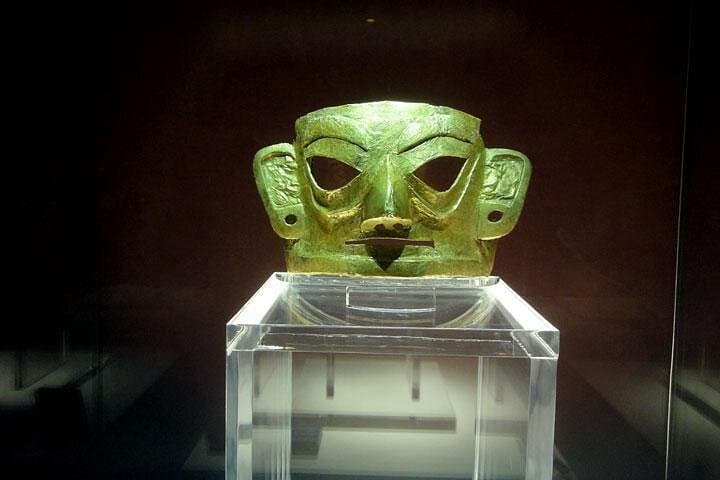
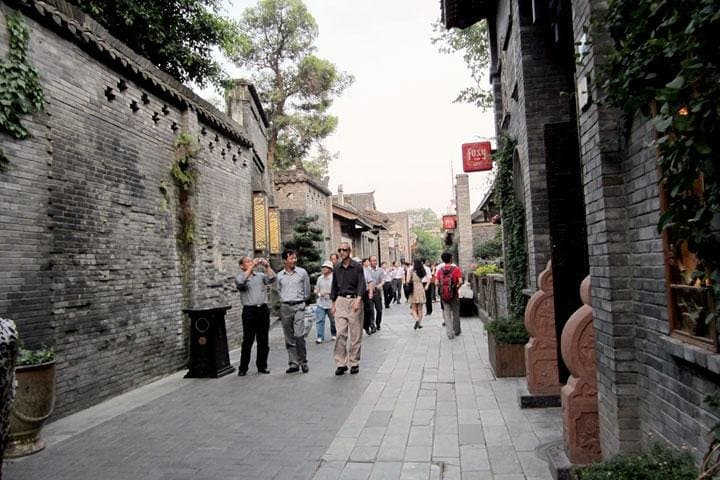
After the panda enclosures, the city opens differently: Broad and Narrow Alleys present Ming- and Qing-era lane patterns, courtyard homes and a street-food culture that still favors slow tea and quick snacks. The afternoon moves to the Jinsha Site Museum, a modern glass-and-stone complex built over a 3,000-year-old Shu kingdom ruin; bronze masks, gold foil and clay implements tell a regional story of riverine trade and highland craft where the nearby Sichuan Basin and Tibetan Plateau meet.
Practicalities matter: this private tour starts early to catch peak panda activity, includes door-to-door transport and a local English-speaking guide, but plan for walking on paved and compacted paths, lunchtime on your own in the alleys, and museum lines that are shorter with guide access.
Bring a light daypack, hydration, and respect signage (no feeding, no flashes). Expect about eight hours of easy walking with many photo opportunities and close-up lessons in conservation, archaeology and Sichuan street life.
easy.
8 hours.
Light walking ability; suitable for most fitness levels with frequent stops
The base houses multiple pandas and cubs, and the morning increases your chances of seeing active animals, but sightings of specific cubs are not guaranteed.
Yes — the tour includes hotel pickup and drop-off in central Chengdu; confirm your pickup point at booking.
Lunch is not included; the itinerary stops in Broad and Narrow Alleys where your guide can recommend local eateries.
For a full refund cancel at least 24 hours before the scheduled departure; last-minute cancellations are non-refundable.
Chengdu sits in the fertile Sichuan Basin with a history of the Shu kingdom; the Jinsha Site reveals a Bronze Age culture rich in metallurgy and river trade around 3,000 years ago.
The Research Base focuses on captive breeding, scientific study and education; visitors should follow rules to limit stress on animals and support ongoing conservation efforts.
Travel China Guide operates guided outdoor trips and adventures with an emphasis on safety, stewardship, and memorable experiences.

Morning light slides across bamboo groves as your guide steers through Chengdu's quieter streets toward the research base where giant pandas wake for breakfast.
Morning light slides across bamboo groves as your guide steers through Chengdu's quieter streets toward the research base where giant pandas wake for breakfast.
At the Chengdu Research Base of Giant Panda the animals are active and unhurried — cubs batting at bamboo shoots while adults recline and methodically strip leaves. The facility blends conservation science with public viewing: enclosures, nurseries and interpretive exhibits illustrate how captive-breeding and reintroduction programs have grown since the 1980s.
After the panda enclosures, the city opens differently: Broad and Narrow Alleys present Ming- and Qing-era lane patterns, courtyard homes and a street-food culture that still favors slow tea and quick snacks. The afternoon moves to the Jinsha Site Museum, a modern glass-and-stone complex built over a 3,000-year-old Shu kingdom ruin; bronze masks, gold foil and clay implements tell a regional story of riverine trade and highland craft where the nearby Sichuan Basin and Tibetan Plateau meet.
Practicalities matter: this private tour starts early to catch peak panda activity, includes door-to-door transport and a local English-speaking guide, but plan for walking on paved and compacted paths, lunchtime on your own in the alleys, and museum lines that are shorter with guide access.
Bring a light daypack, hydration, and respect signage (no feeding, no flashes). Expect about eight hours of easy walking with many photo opportunities and close-up lessons in conservation, archaeology and Sichuan street life.