THE ADVENTURE COLLECTIVE® · Independent discovery and booking for outdoor travel

Two days that pair Chengdu’s panda reserve with the cliff-carved Leshan Giant Buddha and the forested temples of Mount Emei. Early starts, steady walking and optional cable-car rides deliver wildlife, scale and peak views in compact form.
Two days that pair Chengdu’s panda reserve with the cliff-carved Leshan Giant Buddha and the forested temples of Mount Emei. Early starts, steady walking and optional cable-car rides deliver wildlife, scale and peak views in compact form.
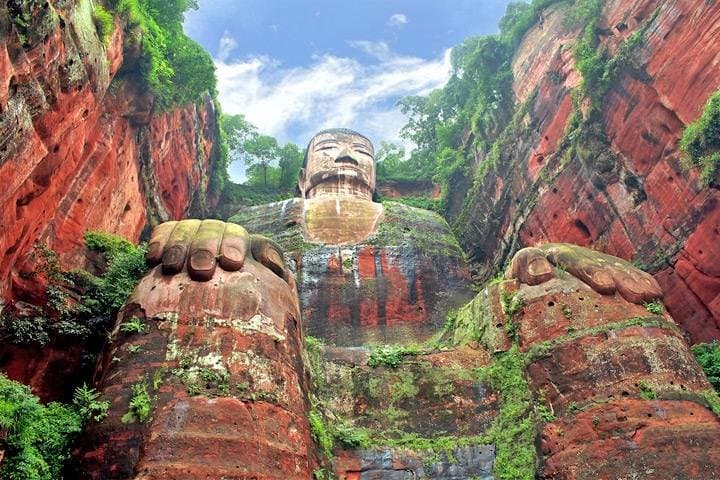
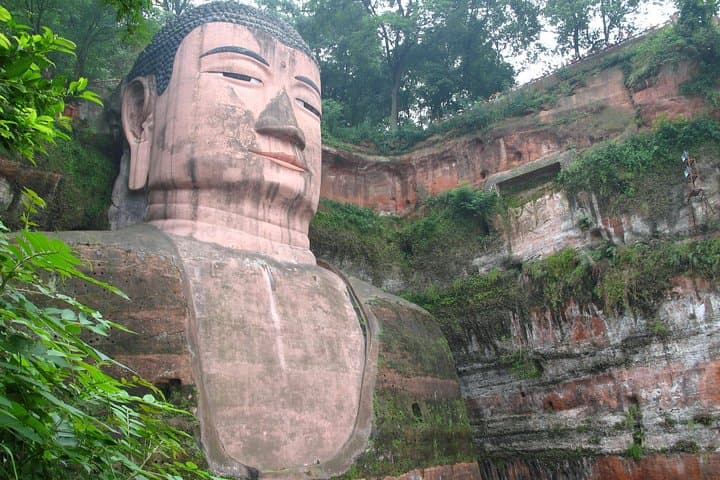
Morning light in Chengdu often arrives with a slow, curious shuffle: bamboo-chewing pandas at the research base move with deliberate appetite, calves and adults alike negotiating their enclosures with the lazy confidence of animals who own the morning. From that quiet energy the tour pushes out across Sichuan plains to the Min River, where the carved face of the Leshan Giant Buddha contemplates the current as if it were keeping time.
Verified experiences and guided adventures in the surrounding area.
Operated by China Tour Company · Chengdu, Sichuan
Morning light in Chengdu often arrives with a slow, curious shuffle: bamboo-chewing pandas at the research base move with deliberate appetite, calves and adults alike negotiating their enclosures with the lazy confidence of animals who own the morning. From that quiet energy the tour pushes out across Sichuan plains to the Min River, where the carved face of the Leshan Giant Buddha contemplates the current as if it were keeping time.
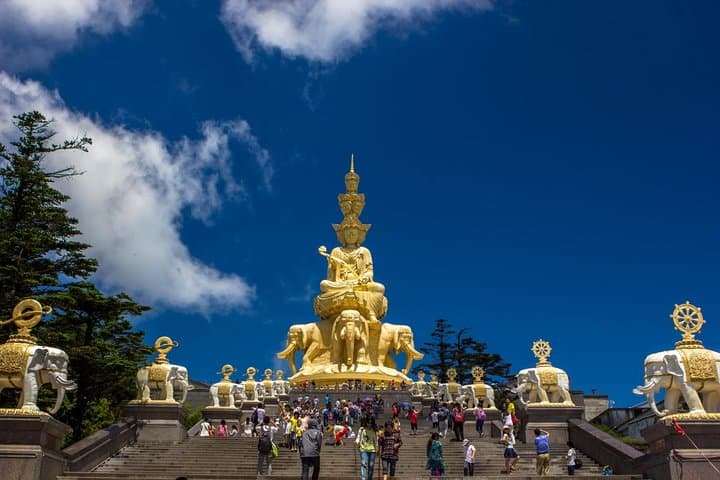
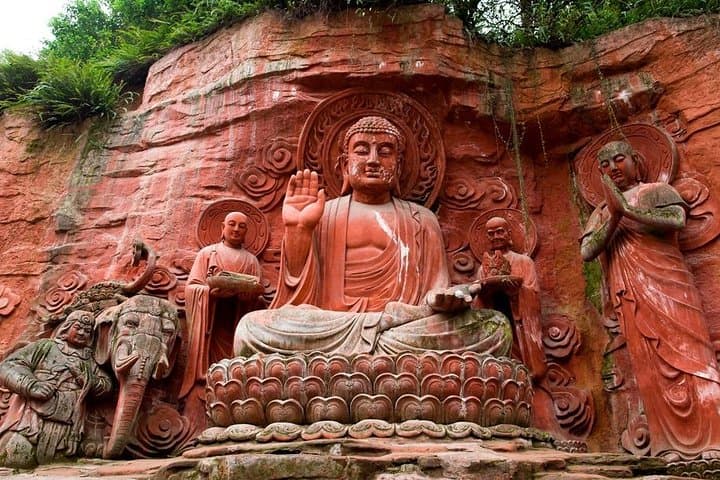
This two-day loop stitches together three scales of Sichuan: urban conservation in Chengdu, the monumental Tang-dynasty carving at Leshan (a UNESCO site dating to the 8th century), and the forested, sacred slopes of Mount Emei — one of China’s four sacred Buddhist mountains, with temples, granite ridges and cloud-seas spilling over tree-covered terraces. Geologically Emei’s ridgelines rise from folded sedimentary and metamorphic beds common to southwestern China; ecologically the mountain hosts subtropical to montane zones that support macaques, diverse birds and dense rhododendron stands.
Practically, expect a lot of walking and stairs, early starts, and a mix of vehicle and on-foot transfers. The itinerary usually includes the Chengdu Panda Base visit in the morning, an afternoon at Leshan (boat option available), an overnight near Baoguo Temple, then ascent to Golden Summit by bus and optional cable car. Bring sturdy footwear, hydration, layered rain gear and your passport for entrance tickets; cable car fees and some meals are typically not included. Timing your visit for early morning at the panda base and late afternoon on Emei can minimize crowds and maximize light for photos.
moderate.
2 days.
Moderate fitness: comfortable walking for several hours and negotiating stairs; not technical but endurance needed.
Cable car is usually optional and paid locally (around 120 RMB); the tour includes bus transfers but not all cable car fees.
Yes, the base is open year-round, but pandas are most visible in the cooler morning hours when they feed and play.
Visiting the Buddha on foot (head to toes) takes about 1–2 hours depending on pace; a short river boat ride offers a different perspective and may shorten walking time.
Not recommended for people with significant mobility restrictions due to stairs and walking required at Leshan and on Mount Emei; some parts use buses and cable cars but many temple areas are stepped.
Mount Emei has been a Buddhist pilgrimage site for over a millennium; the Leshan Giant Buddha was carved during the Tang dynasty to calm dangerous river currents.
Chengdu’s panda base focuses on captive breeding and rewilding programs; visitors should follow site rules to minimize disturbance and avoid feeding wildlife.
China Tour Company operates guided outdoor trips and adventures with an emphasis on safety, stewardship, and memorable experiences.
Morning light in Chengdu often arrives with a slow, curious shuffle: bamboo-chewing pandas at the research base move with deliberate appetite, calves and adults alike negotiating their enclosures with the lazy confidence of animals who own the morning. From that quiet energy the tour pushes out across Sichuan plains to the Min River, where the carved face of the Leshan Giant Buddha contemplates the current as if it were keeping time.
Morning light in Chengdu often arrives with a slow, curious shuffle: bamboo-chewing pandas at the research base move with deliberate appetite, calves and adults alike negotiating their enclosures with the lazy confidence of animals who own the morning. From that quiet energy the tour pushes out across Sichuan plains to the Min River, where the carved face of the Leshan Giant Buddha contemplates the current as if it were keeping time.
This two-day loop stitches together three scales of Sichuan: urban conservation in Chengdu, the monumental Tang-dynasty carving at Leshan (a UNESCO site dating to the 8th century), and the forested, sacred slopes of Mount Emei — one of China’s four sacred Buddhist mountains, with temples, granite ridges and cloud-seas spilling over tree-covered terraces. Geologically Emei’s ridgelines rise from folded sedimentary and metamorphic beds common to southwestern China; ecologically the mountain hosts subtropical to montane zones that support macaques, diverse birds and dense rhododendron stands.
Practically, expect a lot of walking and stairs, early starts, and a mix of vehicle and on-foot transfers. The itinerary usually includes the Chengdu Panda Base visit in the morning, an afternoon at Leshan (boat option available), an overnight near Baoguo Temple, then ascent to Golden Summit by bus and optional cable car. Bring sturdy footwear, hydration, layered rain gear and your passport for entrance tickets; cable car fees and some meals are typically not included. Timing your visit for early morning at the panda base and late afternoon on Emei can minimize crowds and maximize light for photos.