THE ADVENTURE COLLECTIVE® · Independent discovery and booking for outdoor travel

Visit Chengdu’s premier panda research center to see giant and red pandas in thoughtfully managed enclosures. This half-day experience combines breeding history, museum exhibits and nursery viewing with accessible facilities and early-morning feeding sessions.
Visit Chengdu’s premier panda research center to see giant and red pandas in thoughtfully managed enclosures. This half-day experience combines breeding history, museum exhibits and nursery viewing with accessible facilities and early-morning feeding sessions.
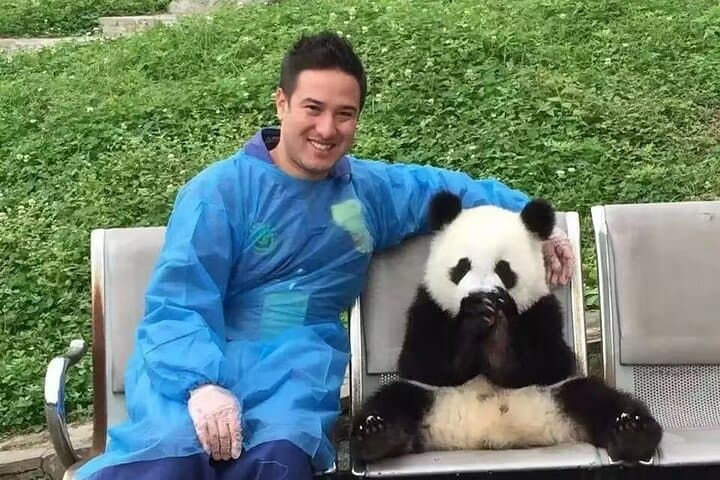
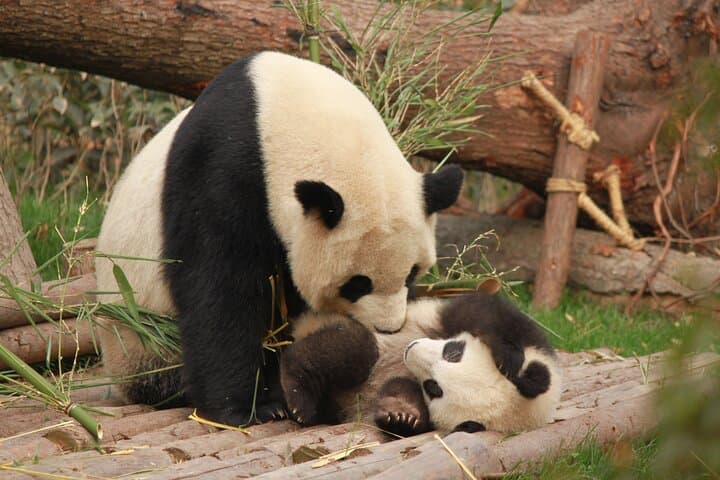
A cool morning breaks over the northern edge of Chengdu and the bamboo leaves begin to move like slow shutters. At the Chengdu Panda Research Base you step from city traffic into wide enclosures where giant pandas loaf on platforms, red pandas slip through treetops, and keepers move with the quiet rhythm of caretaking. The base is 18 km north of downtown Chengdu — close enough for a half-day visit but far enough to feel removed from urban noise.
Verified experiences and guided adventures in the surrounding area.
Operated by Finding China · Chengdu, Sichuan
A cool morning breaks over the northern edge of Chengdu and the bamboo leaves begin to move like slow shutters. At the Chengdu Panda Research Base you step from city traffic into wide enclosures where giant pandas loaf on platforms, red pandas slip through treetops, and keepers move with the quiet rhythm of caretaking. The base is 18 km north of downtown Chengdu — close enough for a half-day visit but far enough to feel removed from urban noise.
Founded from six rescued wild pandas, the facility has grown into a global center for captive breeding, research and public education. By 2008 the program had recorded over a hundred births; today the campus blends interpretive exhibits, a small museum, and nursery viewing windows that reveal the delicate work of incubators and handlers. Geologically, the area sits on the flat Sichuan Basin floor with nearby hills that funnel humid, misty air—good growing conditions for the bamboo that feeds the collection.
For travelers this is a controlled, conservation-focused visit rather than a wildlife safari: enclosures are large but managed, and interpretive signs explain husbandry and threats to wild populations. Arrive early for feeding sessions and cooler temperatures; March–May is peak breeding season and summer/autumn often displays tiny newborns in the nursery. Accessible paths, stroller- and wheelchair-friendly routes, and public-transit connections make the base straightforward to reach. Bring a camera with a telephoto or binoculars, wear grippy shoes for wet paths, and respect staff instructions — the better visitors follow rules, the healthier the animals and the clearer the viewing for everyone.
easy.
2–4 hours.
Suitable for most fitness levels; involves walking on paved and compacted paths for up to a few hours.
No — the pandas at the research base live in large, managed enclosures and are part of captive-breeding and conservation programs.
Yes — paths are largely accessible and the site notes wheelchair and stroller accessibility; some viewing areas may have minor steps.
Summer and autumn often have newborns visible in nursery incubators, but exact timings vary; spring (March–May) is the breeding season and busier for viewing behaviors.
Tickets are available as mobile or paper vouchers; private guided tours and transportation are often offered and should be booked in advance for guaranteed pickup and guide services.
The base began with six rescued wild pandas and evolved into an internationally recognized breeding and research center, recording over a hundred births by 2008.
The facility prioritizes captive breeding, veterinary research and public education; visitors are encouraged to follow rules that minimize stress and support ongoing conservation work.
Finding China operates guided outdoor trips and adventures with an emphasis on safety, stewardship, and memorable experiences.
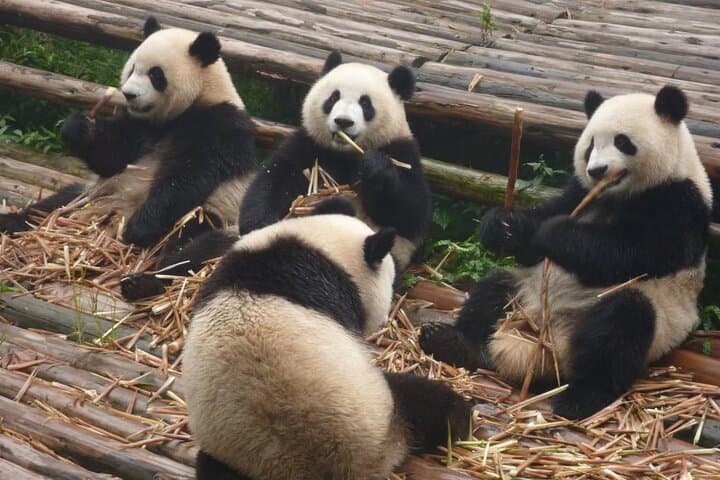
A cool morning breaks over the northern edge of Chengdu and the bamboo leaves begin to move like slow shutters. At the Chengdu Panda Research Base you step from city traffic into wide enclosures where giant pandas loaf on platforms, red pandas slip through treetops, and keepers move with the quiet rhythm of caretaking. The base is 18 km north of downtown Chengdu — close enough for a half-day visit but far enough to feel removed from urban noise.
A cool morning breaks over the northern edge of Chengdu and the bamboo leaves begin to move like slow shutters. At the Chengdu Panda Research Base you step from city traffic into wide enclosures where giant pandas loaf on platforms, red pandas slip through treetops, and keepers move with the quiet rhythm of caretaking. The base is 18 km north of downtown Chengdu — close enough for a half-day visit but far enough to feel removed from urban noise.
Founded from six rescued wild pandas, the facility has grown into a global center for captive breeding, research and public education. By 2008 the program had recorded over a hundred births; today the campus blends interpretive exhibits, a small museum, and nursery viewing windows that reveal the delicate work of incubators and handlers. Geologically, the area sits on the flat Sichuan Basin floor with nearby hills that funnel humid, misty air—good growing conditions for the bamboo that feeds the collection.
For travelers this is a controlled, conservation-focused visit rather than a wildlife safari: enclosures are large but managed, and interpretive signs explain husbandry and threats to wild populations. Arrive early for feeding sessions and cooler temperatures; March–May is peak breeding season and summer/autumn often displays tiny newborns in the nursery. Accessible paths, stroller- and wheelchair-friendly routes, and public-transit connections make the base straightforward to reach. Bring a camera with a telephoto or binoculars, wear grippy shoes for wet paths, and respect staff instructions — the better visitors follow rules, the healthier the animals and the clearer the viewing for everyone.