THE ADVENTURE COLLECTIVE® · Independent discovery and booking for outdoor travel

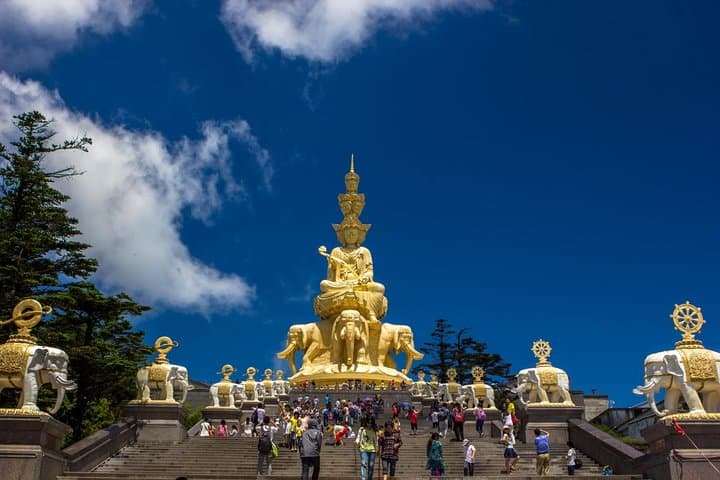
See giant pandas at dawn, cruise the river to the colossal Leshan Buddha, then follow pilgrim paths up Mount Emei to the Golden Summit. This two-day loop pairs wildlife and Buddhist heritage with manageable hiking and efficient transfers.
See giant pandas at dawn, cruise the river to the colossal Leshan Buddha, then follow pilgrim paths up Mount Emei to the Golden Summit. This two-day loop pairs wildlife and Buddhist heritage with manageable hiking and efficient transfers.
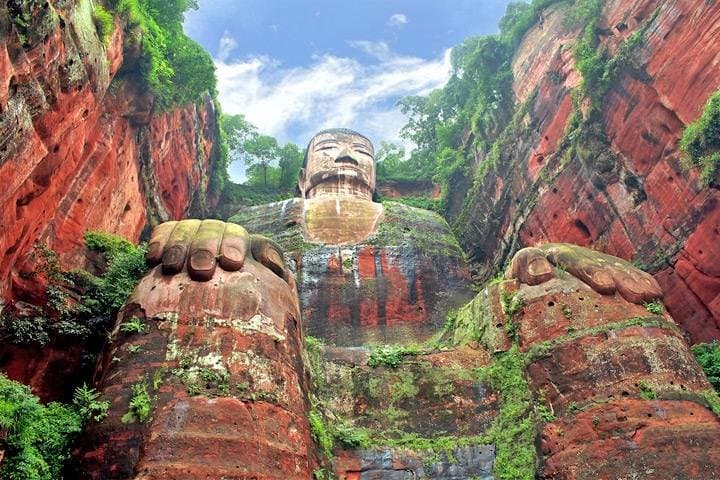
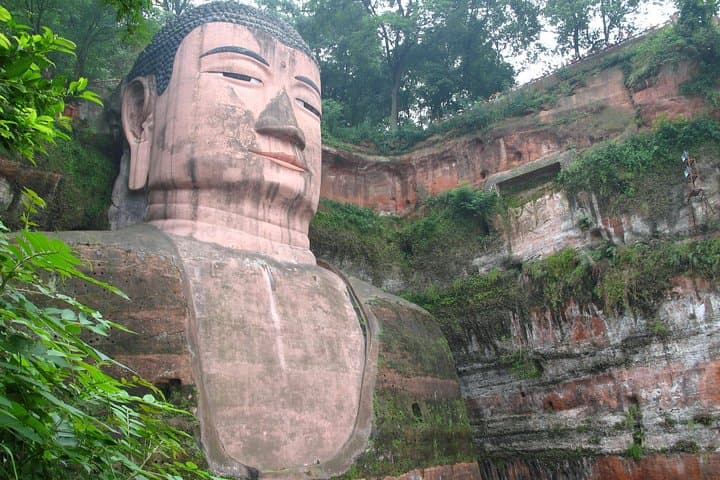
You arrive in the cool, damp morning at the Chengdu Research Base where adult and baby pandas treat the first light like a playground — bamboo in slow-motion, curious noses inspecting visitors. By afternoon the tour shifts gears: a roadside ribbon of highway carries you toward the Leshan Giant Buddha, its carved face looking out over the confluence of rivers as boats thread the water below. Night falls at the foot of Mount Emei, where temple lanterns puncture the dark and the forest hush gathers.
Verified experiences and guided adventures in the surrounding area.
Operated by China Tour Company · Emeishan, Sichuan
You arrive in the cool, damp morning at the Chengdu Research Base where adult and baby pandas treat the first light like a playground — bamboo in slow-motion, curious noses inspecting visitors. By afternoon the tour shifts gears: a roadside ribbon of highway carries you toward the Leshan Giant Buddha, its carved face looking out over the confluence of rivers as boats thread the water below. Night falls at the foot of Mount Emei, where temple lanterns puncture the dark and the forest hush gathers.
Emei is one of China’s four sacred Buddhist mountains, its slopes shaped by ancient uplift and erosion; the result is steep granite ridgelines, deep valleys and cloud-prone summits. Leshan’s Buddha, carved during the Tang dynasty, reflects a long history of pilgrimage and river commerce. Local culture is grounded in temple rites and tea houses; food stalls near Baoguo Temple serve simple Sichuan dishes suited to walkers.
Practically, expect a lot of walking with some steep sections on Day 2 and a mix of bus, cable car (approx. CNY 120), and a 1.5-hour high-speed train back to Chengdu. Morning is best for pandas when they’re most active; Golden Summit rewards early arrivals with sea-of-clouds views but can be wind-prone.
Bring a daypack, water, layered clothing and cash for cable cars and meals. Moderate fitness level and comfortable footwear make the two-day itinerary manageable and highly rewarding for anyone who wants wildlife, culture and alpine forest in one compact trip.
moderate.
2 days (full-day activities each day).
Moderate fitness—comfortable with several hours of walking, some steep sections and stairs.
Cable car to Golden Summit is not included in the base package; current on-site fare is around CNY 120 and is usually paid separately.
Morning visits (around 9:00–11:00) offer the highest chance to see pandas active and feeding before mid-day rest.
Yes—the itinerary includes a 1.5-hour bullet train option back to Chengdu from Emeishan; check schedules in advance for exact departure times.
This tour involves significant walking, stairs and uphill sections; it’s not recommended for those with major mobility or cardiovascular constraints.
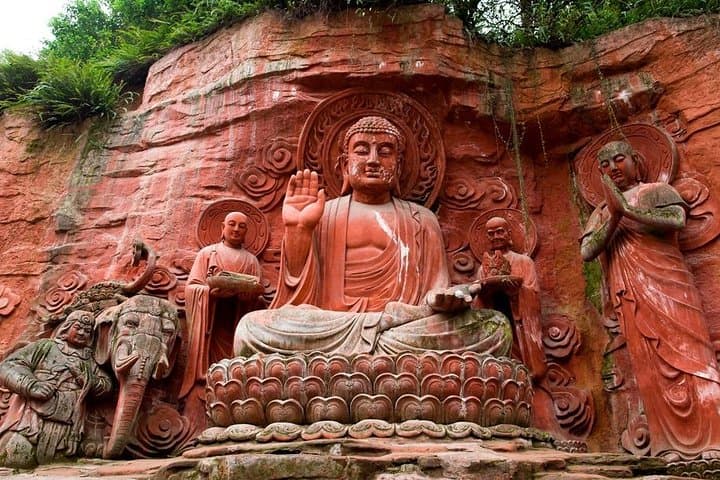
Mount Emei has been an important Buddhist pilgrimage site for over a millennium; the Leshan Giant Buddha was carved during the Tang dynasty to calm river passages and honor Buddhist practice.
Both the panda base and Emeishan park operate conservation programs; visitors should follow park rules, avoid feeding wildlife and minimize waste to reduce tourism impacts.
China Tour Company operates guided outdoor trips and adventures with an emphasis on safety, stewardship, and memorable experiences.
You arrive in the cool, damp morning at the Chengdu Research Base where adult and baby pandas treat the first light like a playground — bamboo in slow-motion, curious noses inspecting visitors. By afternoon the tour shifts gears: a roadside ribbon of highway carries you toward the Leshan Giant Buddha, its carved face looking out over the confluence of rivers as boats thread the water below. Night falls at the foot of Mount Emei, where temple lanterns puncture the dark and the forest hush gathers.
You arrive in the cool, damp morning at the Chengdu Research Base where adult and baby pandas treat the first light like a playground — bamboo in slow-motion, curious noses inspecting visitors. By afternoon the tour shifts gears: a roadside ribbon of highway carries you toward the Leshan Giant Buddha, its carved face looking out over the confluence of rivers as boats thread the water below. Night falls at the foot of Mount Emei, where temple lanterns puncture the dark and the forest hush gathers.
Emei is one of China’s four sacred Buddhist mountains, its slopes shaped by ancient uplift and erosion; the result is steep granite ridgelines, deep valleys and cloud-prone summits. Leshan’s Buddha, carved during the Tang dynasty, reflects a long history of pilgrimage and river commerce. Local culture is grounded in temple rites and tea houses; food stalls near Baoguo Temple serve simple Sichuan dishes suited to walkers.
Practically, expect a lot of walking with some steep sections on Day 2 and a mix of bus, cable car (approx. CNY 120), and a 1.5-hour high-speed train back to Chengdu. Morning is best for pandas when they’re most active; Golden Summit rewards early arrivals with sea-of-clouds views but can be wind-prone.
Bring a daypack, water, layered clothing and cash for cable cars and meals. Moderate fitness level and comfortable footwear make the two-day itinerary manageable and highly rewarding for anyone who wants wildlife, culture and alpine forest in one compact trip.