THE ADVENTURE COLLECTIVE® · Independent discovery and booking for outdoor travel

See Chengdu's pandas at breakfast, glide past the Leshan Giant Buddha from river level, and ride a cable car to Mount Emei's Golden Summit in a two-day private tour that blends wildlife conservation, Buddhist culture, and alpine scenery.
See Chengdu's pandas at breakfast, glide past the Leshan Giant Buddha from river level, and ride a cable car to Mount Emei's Golden Summit in a two-day private tour that blends wildlife conservation, Buddhist culture, and alpine scenery.
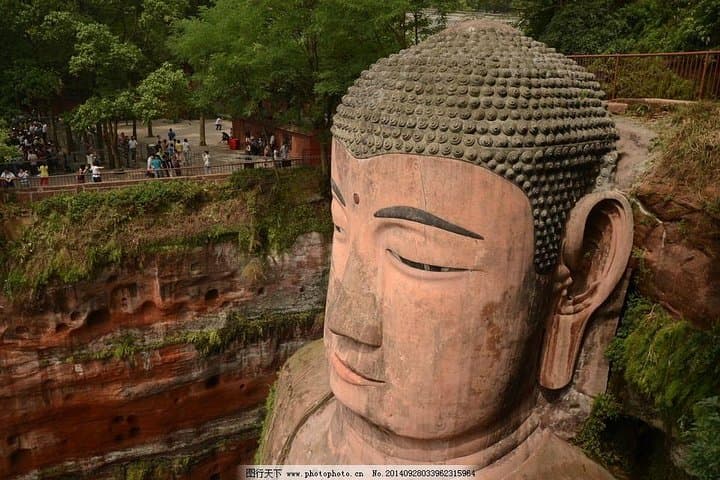
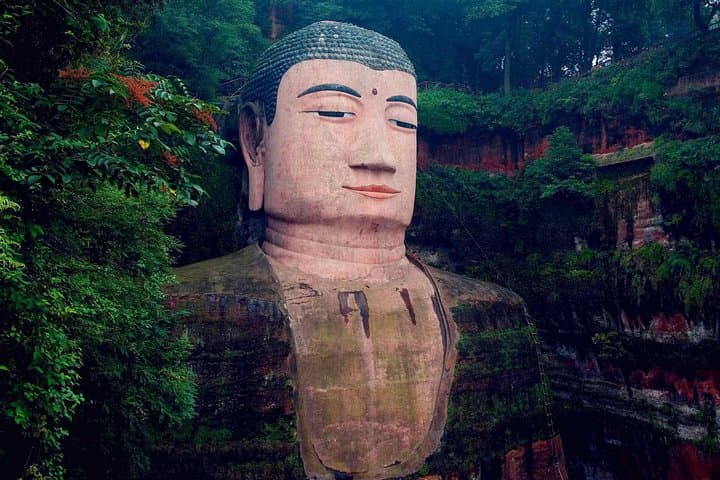
Morning light breaks over Chengdu's suburbs and the air carries bamboo-sweet breath — a single panda ambles into frame while guides point out anatomy and behavior. By afternoon the Yangtze's tributary pushes you toward a cliff-face the size of a small town: the Leshan Giant Buddha glares serenely over the river, its carved robes worn by centuries of wind and rain.
Verified experiences and guided adventures in the surrounding area.
Operated by Discovery more · Chengdu, Sichuan
Morning light breaks over Chengdu's suburbs and the air carries bamboo-sweet breath — a single panda ambles into frame while guides point out anatomy and behavior. By afternoon the Yangtze's tributary pushes you toward a cliff-face the size of a small town: the Leshan Giant Buddha glares serenely over the river, its carved robes worn by centuries of wind and rain.
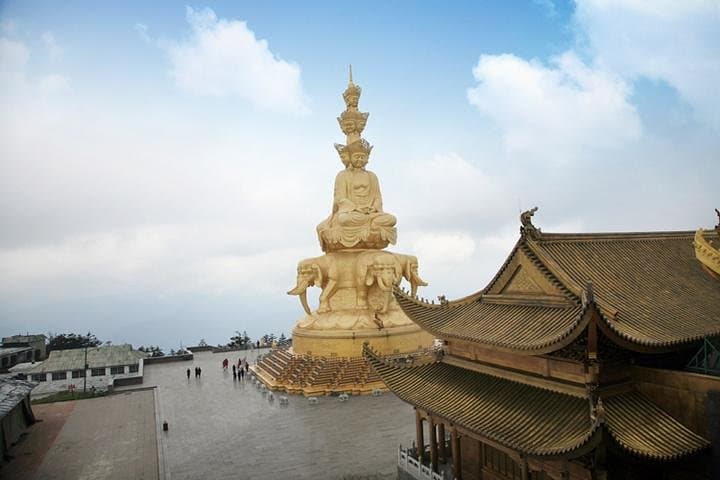
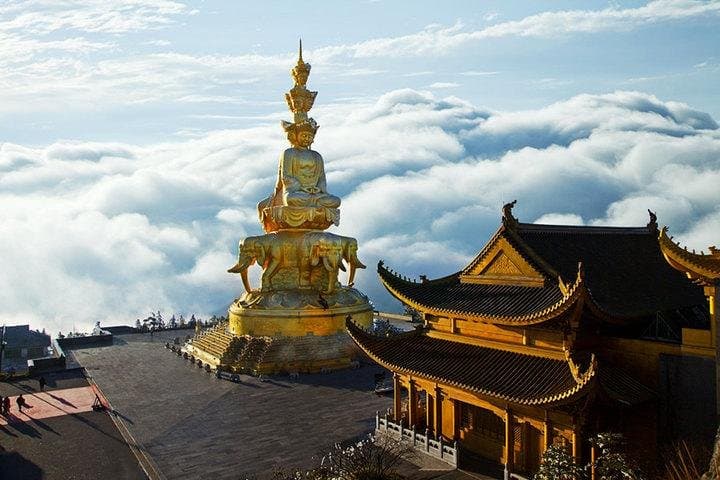
This two-day itinerary threads together Sichuan's cultural spine: modern conservation at the Chengdu Research Base of Giant Panda Breeding, Tang and later dynasty temple architecture at Leshan, and the high Buddhist ecology of Mount Emei. Geology here is dramatic — red-brown sedimentary cliffs at Leshan carved by river action, and Mount Emei’s granite ridgelines rising to the Golden Summit at roughly 3,078 m, where a gilded Puxian statue anchors the skyline. Local culture is quiet, devotional: monks keep time with bell and incense; pilgrims still walk stone steps to temple thresholds.
Practical rhythm: day one centers on an early panda viewing (best at feeding time), then a riverside approach to the Buddha with optional boat vantage. Day two uses local bus and a short 30-minute hike to the cable car station, then the ascending cable car to Golden Summit — expect thin air, sudden cloud seas and long stone stair sections around temples.
Prepare with layered clothing, sturdy shoes, and water; plan for early starts to avoid crowds and allow time for boat options. Respect temple etiquette, carry small cash for mountain eateries, and leave no trace on trails and shrine areas.
moderate.
2 days.
Moderate fitness—able to walk stairs and short uphill sections; comfortable with a few hours on foot.
This tour’s description notes admissions are not included; expect separate ticket costs for the panda base, Leshan site, and Mount Emei cable car unless specified otherwise.
The Golden Summit is around 3,078 meters (approximately 10,098 feet); bring layers and plan for thinner air.
Yes, with caveats: the panda base and Leshan access are family-friendly; summit sections involve stairs and altitude—consider fitness and mobility limitations.
Boat tours are commonly available and offer the best full-face view of the Buddha; availability depends on river conditions and timing.
Mount Emei and the Leshan Giant Buddha are central to Chinese Buddhism; the Leshan statue dates to the Tang dynasty and the sites form part of a UNESCO World Heritage grouping.
The Chengdu base focuses on captive breeding and public education; visitors are encouraged to support conservation, keep a respectful distance from wildlife, and avoid feeding animals.
Discovery more operates guided outdoor trips and adventures with an emphasis on safety, stewardship, and memorable experiences.
Morning light breaks over Chengdu's suburbs and the air carries bamboo-sweet breath — a single panda ambles into frame while guides point out anatomy and behavior. By afternoon the Yangtze's tributary pushes you toward a cliff-face the size of a small town: the Leshan Giant Buddha glares serenely over the river, its carved robes worn by centuries of wind and rain.
Morning light breaks over Chengdu's suburbs and the air carries bamboo-sweet breath — a single panda ambles into frame while guides point out anatomy and behavior. By afternoon the Yangtze's tributary pushes you toward a cliff-face the size of a small town: the Leshan Giant Buddha glares serenely over the river, its carved robes worn by centuries of wind and rain.
This two-day itinerary threads together Sichuan's cultural spine: modern conservation at the Chengdu Research Base of Giant Panda Breeding, Tang and later dynasty temple architecture at Leshan, and the high Buddhist ecology of Mount Emei. Geology here is dramatic — red-brown sedimentary cliffs at Leshan carved by river action, and Mount Emei’s granite ridgelines rising to the Golden Summit at roughly 3,078 m, where a gilded Puxian statue anchors the skyline. Local culture is quiet, devotional: monks keep time with bell and incense; pilgrims still walk stone steps to temple thresholds.
Practical rhythm: day one centers on an early panda viewing (best at feeding time), then a riverside approach to the Buddha with optional boat vantage. Day two uses local bus and a short 30-minute hike to the cable car station, then the ascending cable car to Golden Summit — expect thin air, sudden cloud seas and long stone stair sections around temples.
Prepare with layered clothing, sturdy shoes, and water; plan for early starts to avoid crowds and allow time for boat options. Respect temple etiquette, carry small cash for mountain eateries, and leave no trace on trails and shrine areas.