THE ADVENTURE COLLECTIVE® · Independent discovery and booking for outdoor travel

Spend a private half-day at the Chengdu Research Base of Giant Panda Breeding—three hours moving through baby, sub-adult and adult gardens with a guided volunteer component. Expect close observation, conservation context, and practical tips for a smoother visit.
Spend a private half-day at the Chengdu Research Base of Giant Panda Breeding—three hours moving through baby, sub-adult and adult gardens with a guided volunteer component. Expect close observation, conservation context, and practical tips for a smoother visit.
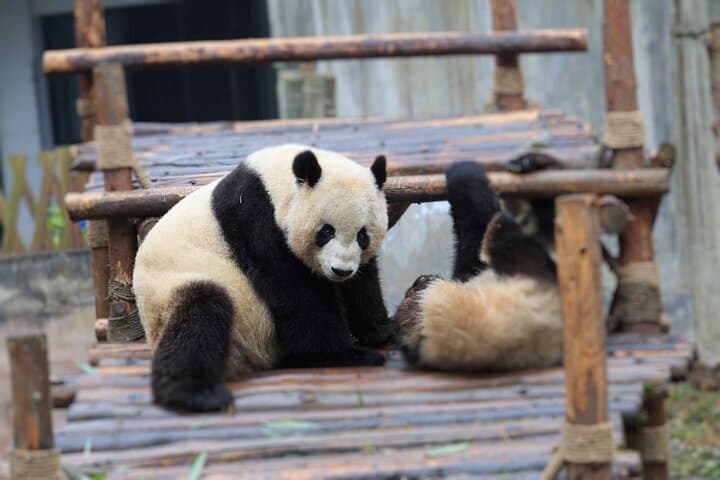
Stepping through the gate at the Chengdu Research Base of Giant Panda Breeding, the city’s hum fades and bamboo rustles take over—pandas move with slow, deliberate appetite while guides point out the subtle differences between a cub’s wobble and an adult’s confident chew.
Verified experiences and guided adventures in the surrounding area.
Operated by taxiGo Limo Airport Service · Chengdu, Sichuan
Stepping through the gate at the Chengdu Research Base of Giant Panda Breeding, the city’s hum fades and bamboo rustles take over—pandas move with slow, deliberate appetite while guides point out the subtle differences between a cub’s wobble and an adult’s confident chew.
The base began in the late 20th century as China ramped up captive-breeding efforts to protect Ailuropoda melanoleuca. Perched on the eastern edge of the Sichuan Basin, the site sits on alluvial terraces where bamboo thrives—geology and climate combine to grow the pandas’ primary food. Local culture in Chengdu values relaxed observation; visitors will notice teahouse calm spilling into park behavior, a fitting backdrop for watching pandas nap and gnaw.
On a private three-hour visit you’ll circulate through the baby garden, sub-adult enclosures and the adult areas, observing developmental stages from tiny, blind cubs to 100-kg adults. The red panda section offers a contrast in agility and size. The “volunteer” element on this tour can include supervised educational activities and close-up interpretation with staff—check restrictions in advance.
Practical guidance: arrive early for the most active viewing window; wear stable shoes for paved but sometimes muddy paths; bring a zoom lens or binoculars for quieter observation; and carry a refillable water bottle. Respect viewing distances and follow staff instructions—the animals’ routine and welfare determine how close and when you can approach. With planning, this half-day tour pairs vivid wildlife encounters with tangible conservation context.
easy.
3 hours.
Suitable for all fitness levels—light walking on mostly flat paths with occasional steps
Yes—the private tour includes admission to the Chengdu Research Base as part of the itinerary.
The tour’s volunteer component typically includes supervised educational activities and guided interpretation; hands-on animal handling is not standard and depends on base policies—confirm specifics before booking.
Photography is permitted from viewing areas; flash and close contact are restricted to avoid disturbing the animals.
Yes—this tour is suitable for all ages; infant seats are available for transport, but check activity restrictions for very young children.
The Chengdu base was established in the late 20th century as part of China’s national captive-breeding and research effort to increase giant panda survival and study their biology.
The facility focuses on breeding, veterinary care and public education; visitors are encouraged to minimize disturbance and follow site rules to support ongoing conservation work.
taxiGo Limo Airport Service operates guided outdoor trips and adventures with an emphasis on safety, stewardship, and memorable experiences.


Stepping through the gate at the Chengdu Research Base of Giant Panda Breeding, the city’s hum fades and bamboo rustles take over—pandas move with slow, deliberate appetite while guides point out the subtle differences between a cub’s wobble and an adult’s confident chew.
Stepping through the gate at the Chengdu Research Base of Giant Panda Breeding, the city’s hum fades and bamboo rustles take over—pandas move with slow, deliberate appetite while guides point out the subtle differences between a cub’s wobble and an adult’s confident chew.
The base began in the late 20th century as China ramped up captive-breeding efforts to protect Ailuropoda melanoleuca. Perched on the eastern edge of the Sichuan Basin, the site sits on alluvial terraces where bamboo thrives—geology and climate combine to grow the pandas’ primary food. Local culture in Chengdu values relaxed observation; visitors will notice teahouse calm spilling into park behavior, a fitting backdrop for watching pandas nap and gnaw.
On a private three-hour visit you’ll circulate through the baby garden, sub-adult enclosures and the adult areas, observing developmental stages from tiny, blind cubs to 100-kg adults. The red panda section offers a contrast in agility and size. The “volunteer” element on this tour can include supervised educational activities and close-up interpretation with staff—check restrictions in advance.
Practical guidance: arrive early for the most active viewing window; wear stable shoes for paved but sometimes muddy paths; bring a zoom lens or binoculars for quieter observation; and carry a refillable water bottle. Respect viewing distances and follow staff instructions—the animals’ routine and welfare determine how close and when you can approach. With planning, this half-day tour pairs vivid wildlife encounters with tangible conservation context.