THE ADVENTURE COLLECTIVE® · Independent discovery and booking for outdoor travel

Spend a day watching giant pandas at the Chengdu Research Base and then learn Sichuan techniques hands-on at the Sichuan Cuisine Museum. This private, all-inclusive tour combines conservation viewing with practical culinary instruction.
Spend a day watching giant pandas at the Chengdu Research Base and then learn Sichuan techniques hands-on at the Sichuan Cuisine Museum. This private, all-inclusive tour combines conservation viewing with practical culinary instruction.
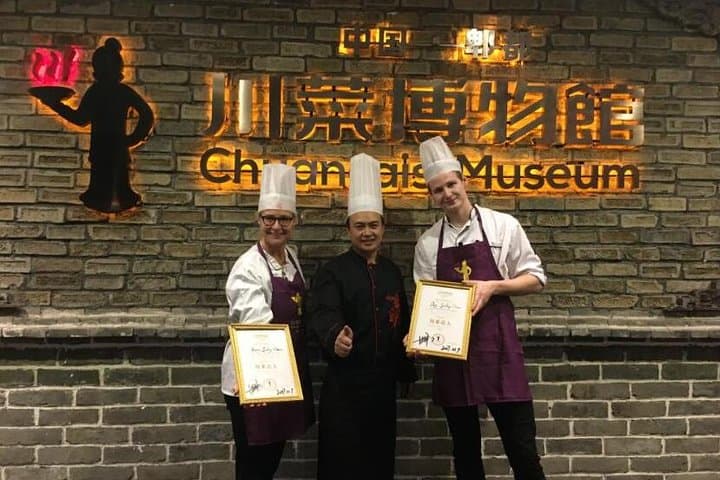
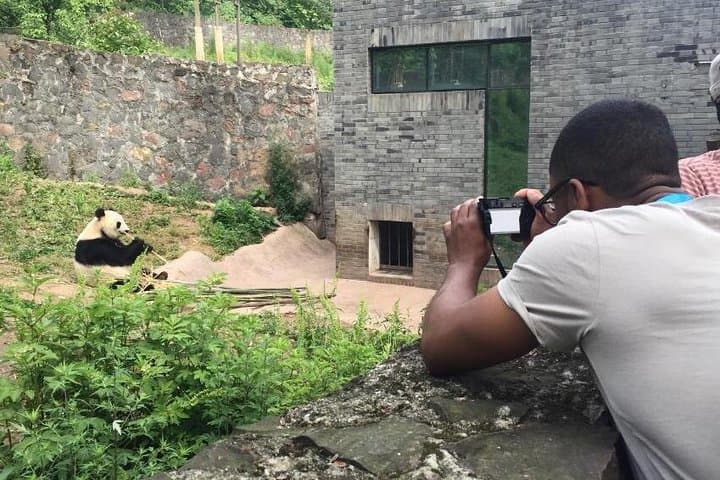
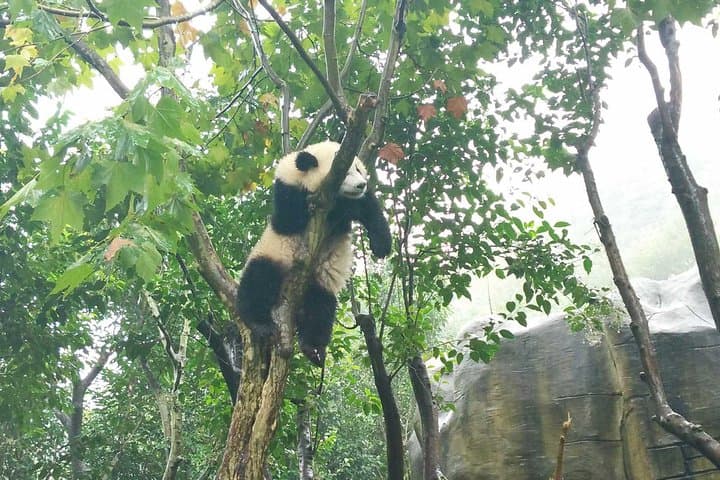
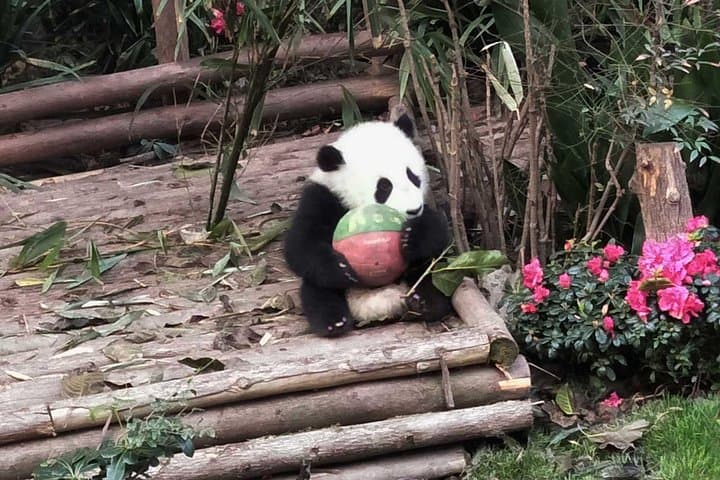
The morning light in Chengdu brightens the bamboo groves long before the city fully wakes. At the Chengdu Research Base of Giant Panda Breeding you move quietly along shaded paths, the bamboo whispering as pandas gnaw and laze in enclosures tailored to mimic wild habitat. Later, in a compact courtyard at the Sichuan Cuisine Museum, steam rises and wok flames crackle as you take a knife to fresh ginger and learn the quick, precise techniques that define Sichuan flavor.
Verified experiences and guided adventures in the surrounding area.
Operated by China Travel Service · Chengdu, Sichuan
The morning light in Chengdu brightens the bamboo groves long before the city fully wakes. At the Chengdu Research Base of Giant Panda Breeding you move quietly along shaded paths, the bamboo whispering as pandas gnaw and laze in enclosures tailored to mimic wild habitat. Later, in a compact courtyard at the Sichuan Cuisine Museum, steam rises and wok flames crackle as you take a knife to fresh ginger and learn the quick, precise techniques that define Sichuan flavor.
Chengdu sits on the fertile Sichuan Basin, a region with centuries of culinary innovation fed by river silt and diverse agriculture. The panda base is the modern heart of a long-running conservation effort that grew from local breeding programs into global research. Sichuan cuisine—built on bold chiles, numbing Sichuan pepper, fermented beans and balanced textures—reflects both local climate and a history of trade and migration across southwest China.
Expect an 8–9 hour private tour with hotel pickup, English-speaking guide, bottled water and entrance fees included. Mornings are best for panda activity; arrive early to catch feeding times and the most natural behavior. At the museum you’ll cook under a master chef’s instruction, receive constructive feedback, and sample what you prepare.
Practical tips: wear comfortable walking shoes, bring a zoom-capable camera (no flash), carry any dietary notes in advance, and keep a light jacket for cooler mornings. This one-day pairing is a tidy, immersive introduction to Chengdu’s wildlife conservation and culinary culture.
easy.
8–9 hours.
Suitable for most fitness levels; involves moderate walking on paved and dirt paths and standing during the cooking lesson.
Yes — the tour includes entrance fees to both sites, private transportation, bottled water, and hotel pickup and drop-off.
Children can participate but check age and safety rules with the operator in advance; children usually enjoy simplified tasks under supervision.
The tour is rated easy but involves walking on paths and standing during the cooking session—contact the operator to arrange assistance or modified pacing.
Bring your passport or ID for booking verification and entry where required; the operator may request booking details at pickup.
Chengdu has been a regional cultural and culinary hub for over a thousand years; local cuisine evolved from the basin’s fertile agriculture and centuries of intra-Asian trade.
The Chengdu Research Base is a major breeding and research center focused on reintroduction, captive care, and public education—responsible visitation helps support ongoing efforts.
China Travel Service operates guided outdoor trips and adventures with an emphasis on safety, stewardship, and memorable experiences.
The morning light in Chengdu brightens the bamboo groves long before the city fully wakes. At the Chengdu Research Base of Giant Panda Breeding you move quietly along shaded paths, the bamboo whispering as pandas gnaw and laze in enclosures tailored to mimic wild habitat. Later, in a compact courtyard at the Sichuan Cuisine Museum, steam rises and wok flames crackle as you take a knife to fresh ginger and learn the quick, precise techniques that define Sichuan flavor.
The morning light in Chengdu brightens the bamboo groves long before the city fully wakes. At the Chengdu Research Base of Giant Panda Breeding you move quietly along shaded paths, the bamboo whispering as pandas gnaw and laze in enclosures tailored to mimic wild habitat. Later, in a compact courtyard at the Sichuan Cuisine Museum, steam rises and wok flames crackle as you take a knife to fresh ginger and learn the quick, precise techniques that define Sichuan flavor.
Chengdu sits on the fertile Sichuan Basin, a region with centuries of culinary innovation fed by river silt and diverse agriculture. The panda base is the modern heart of a long-running conservation effort that grew from local breeding programs into global research. Sichuan cuisine—built on bold chiles, numbing Sichuan pepper, fermented beans and balanced textures—reflects both local climate and a history of trade and migration across southwest China.
Expect an 8–9 hour private tour with hotel pickup, English-speaking guide, bottled water and entrance fees included. Mornings are best for panda activity; arrive early to catch feeding times and the most natural behavior. At the museum you’ll cook under a master chef’s instruction, receive constructive feedback, and sample what you prepare.
Practical tips: wear comfortable walking shoes, bring a zoom-capable camera (no flash), carry any dietary notes in advance, and keep a light jacket for cooler mornings. This one-day pairing is a tidy, immersive introduction to Chengdu’s wildlife conservation and culinary culture.