THE ADVENTURE COLLECTIVE® · Independent discovery and booking for outdoor travel

Spend a morning with giant pandas at Chengdu or travel to Dujiangyan, Wolong or Ya’an for a volunteer day. This private tour pairs close viewing with conservation insight — arrive early to catch feeding and activity.
Spend a morning with giant pandas at Chengdu or travel to Dujiangyan, Wolong or Ya’an for a volunteer day. This private tour pairs close viewing with conservation insight — arrive early to catch feeding and activity.
Dawn in Chengdu arrives cool and still; bamboo leaves tremble as a private vehicle slips north toward the panda enclosures. By early morning the research bases feel alive — keepers moving quietly between pens, the smell of fresh bamboo, and the soft, deliberate shuffle of pandas up close. Visitors see the animals at their most active, when curiosity and appetite override a natural laziness.
Verified experiences and guided adventures in the surrounding area.
Operated by Elephant Tour · Chengdu, Sichuan
Dawn in Chengdu arrives cool and still; bamboo leaves tremble as a private vehicle slips north toward the panda enclosures. By early morning the research bases feel alive — keepers moving quietly between pens, the smell of fresh bamboo, and the soft, deliberate shuffle of pandas up close. Visitors see the animals at their most active, when curiosity and appetite override a natural laziness.
The Chengdu Research Base and nearby facilities (Dujiangyan, Wolong, Ya’an) are products of decades of conservation work that began in the 1980s to breed and protect Ailuropoda melanoleuca. Geologically, these centers sit at the eastern edge of the Tibetan Plateau’s foothills; rivers and irrigation projects nearby — most famously the Dujiangyan system — shaped both the landscape and local agriculture for centuries. Culturally, Chengdu pairs slow tea‑house rhythms with intensive conservation science, and local guides weave both angles into the visit.
Practically, a half‑day morning tour (arrive by 7–8 a.m.) gets you feeding time and active viewing before heat drives pandas to nap. Volunteer days start earlier (around 6:30–7:00 a.m.) and can include basic husbandry tasks under supervision; spots are limited and placements rotate among bases, so expect travel time of 1–3 hours each way for Dujiangyan, Wolong or Ya’an. Bring closed shoes, a light layer, water, and a camera with a quiet shutter. Follow keepers’ rules: no sudden movements, no food sharing, and maintain distance to minimize stress. The experience is equal parts gentle wildlife encounter and real conservation work — intimate, educational, and logistically straightforward if you plan for early starts and limited volunteer quotas.
easy.
3–8 hours.
Suitable for most fitness levels; volunteers should be comfortable with light physical chores and standing.
Public feeding is not allowed; some bases schedule supervised feeding demonstrations staffed by keepers, but direct feeding by guests is restricted to protect animal health.
Volunteer days typically begin around 6:30–7:00 a.m.; tasks are basic and supervised (cleaning enclosures, preparing bamboo, simple enrichment), and placements rotate by base with limited daily quota.
Private transportation and admission are included in the tour; confirm hotel pickup point when booking and expect door‑to‑door service for Chengdu departures.
Yes — the experience is family‑friendly, but check age restrictions for volunteer placements and supervise children closely around animal areas.
The Chengdu research base and regional centers grew from conservation programs started in the 1980s to halt panda population decline through captive breeding and research.
These facilities balance public education with breeding and reintroduction goals; visitors help fund conservation but must follow strict guidelines to reduce stress and disease risk to animals.
Elephant Tour operates guided outdoor trips and adventures with an emphasis on safety, stewardship, and memorable experiences.
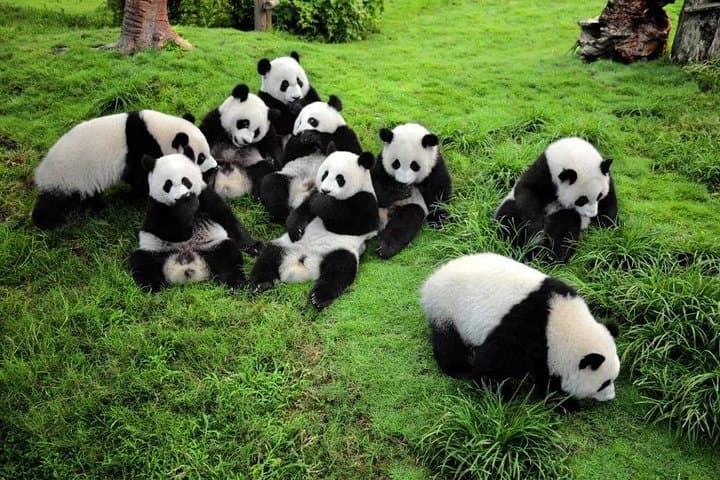



Dawn in Chengdu arrives cool and still; bamboo leaves tremble as a private vehicle slips north toward the panda enclosures. By early morning the research bases feel alive — keepers moving quietly between pens, the smell of fresh bamboo, and the soft, deliberate shuffle of pandas up close. Visitors see the animals at their most active, when curiosity and appetite override a natural laziness.
Dawn in Chengdu arrives cool and still; bamboo leaves tremble as a private vehicle slips north toward the panda enclosures. By early morning the research bases feel alive — keepers moving quietly between pens, the smell of fresh bamboo, and the soft, deliberate shuffle of pandas up close. Visitors see the animals at their most active, when curiosity and appetite override a natural laziness.
The Chengdu Research Base and nearby facilities (Dujiangyan, Wolong, Ya’an) are products of decades of conservation work that began in the 1980s to breed and protect Ailuropoda melanoleuca. Geologically, these centers sit at the eastern edge of the Tibetan Plateau’s foothills; rivers and irrigation projects nearby — most famously the Dujiangyan system — shaped both the landscape and local agriculture for centuries. Culturally, Chengdu pairs slow tea‑house rhythms with intensive conservation science, and local guides weave both angles into the visit.
Practically, a half‑day morning tour (arrive by 7–8 a.m.) gets you feeding time and active viewing before heat drives pandas to nap. Volunteer days start earlier (around 6:30–7:00 a.m.) and can include basic husbandry tasks under supervision; spots are limited and placements rotate among bases, so expect travel time of 1–3 hours each way for Dujiangyan, Wolong or Ya’an. Bring closed shoes, a light layer, water, and a camera with a quiet shutter. Follow keepers’ rules: no sudden movements, no food sharing, and maintain distance to minimize stress. The experience is equal parts gentle wildlife encounter and real conservation work — intimate, educational, and logistically straightforward if you plan for early starts and limited volunteer quotas.