THE ADVENTURE COLLECTIVE® · Independent discovery and booking for outdoor travel

See giant pandas up close, take a boat to the towering Leshan Giant Buddha and learn Sichuan cooking in a courtyard kitchen over three curated days. This itinerary blends wildlife viewing, regional history and hands-on food culture.
See giant pandas up close, take a boat to the towering Leshan Giant Buddha and learn Sichuan cooking in a courtyard kitchen over three curated days. This itinerary blends wildlife viewing, regional history and hands-on food culture.
A cool morning fog lifts off the bamboo enclosures as visitors arrive at the panda base, the animals moving with deliberate curiosity as if testing the day. That first breath—tea-sweet air, the low murmur of caretakers, and the distant hum of the city—sets the pace for three days that mix wildlife observation with deep cultural immersion.
Verified experiences and guided adventures in the surrounding area.
Operated by Chilli Cool China · Chengdu, Sichuan
A cool morning fog lifts off the bamboo enclosures as visitors arrive at the panda base, the animals moving with deliberate curiosity as if testing the day. That first breath—tea-sweet air, the low murmur of caretakers, and the distant hum of the city—sets the pace for three days that mix wildlife observation with deep cultural immersion.
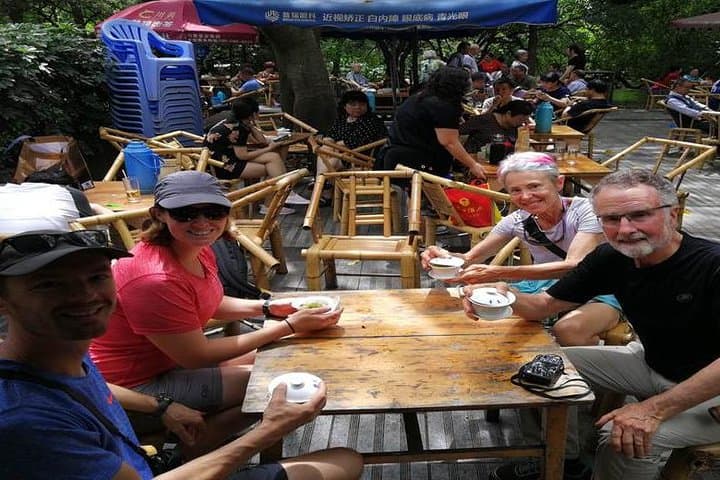
Travelers move from Chengdu’s urban rhythm—People’s Park teahouses and antique stalls—to the carved rock of the Leshan Giant Buddha, a 71-meter cliff-carved statue dating to the Tang dynasty that watches the confluence of rivers. Geology here is obvious: red-brown sandstone and river-cut gorges shape views and boat rides alike. In a nearby mountain village, centuries-old tea terraces slope like green steps; farmers still hand-pick shoots that will later flavor the region’s cuisine.
Culturally, Chengdu balances slow social life—calligraphy, mahjong, tea rituals—with culinary precision: Sichuan’s trademark mala heat, fermented bean pastes, and peppercorn numb-heat explored in a hands-on cooking class in a traditional courtyard.
Practical guidance: plan for early mornings at the panda base to see peak activity, carry a compact umbrella for sudden showers, and wear sturdy walking shoes for temple steps and village lanes. Bring cash small bills for markets and a reusable bottle; tap water isn’t drinkable. Expect comfortable pacing rather than strenuous hiking—this trip is a layered cultural-wildlife itinerary, best taken with curiosity, a tolerance for spice, and respect for local conservation practices.
moderate.
3 days (approx. 8–10 hours/day including transfers).
Suitable for travelers in average shape who can manage stairs, short walks around parks and village alleys.
This private tour typically includes hotel pickup in Chengdu—confirm your pickup point at booking and provide full names for arrangements.
The itinerary lists panda viewing with admission included for the scheduled visit—verify any seasonal changes or capacity limits in advance.
Yes, guides and chefs can usually adapt recipes for allergies or spice preferences if notified at booking.
Expect a roughly 2.5-hour transfer to Leshan from Chengdu; other drives are short to moderate and woven into the day’s schedule.
The Leshan Giant Buddha was carved from the cliff face during the Tang dynasty (8th century) to calm turbulent river currents and remains one of the largest stone Buddha statues in the world.
The Chengdu research base is a center for panda breeding and conservation—visit with respectful distance and follow site rules to minimize disturbance.
Chilli Cool China operates guided outdoor trips and adventures with an emphasis on safety, stewardship, and memorable experiences.
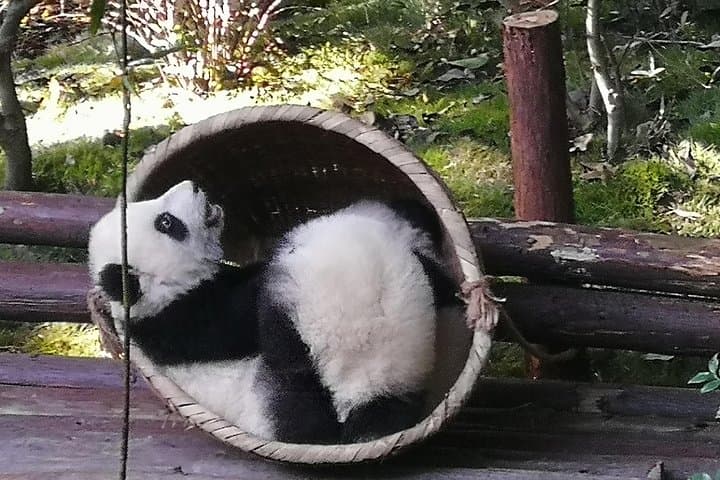

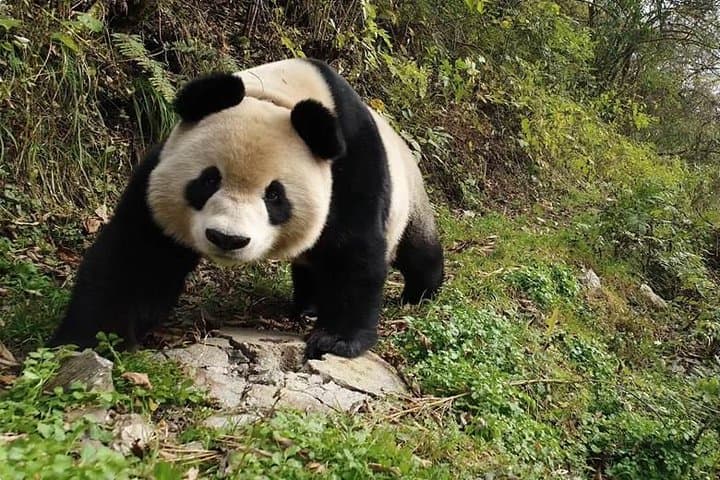
A cool morning fog lifts off the bamboo enclosures as visitors arrive at the panda base, the animals moving with deliberate curiosity as if testing the day. That first breath—tea-sweet air, the low murmur of caretakers, and the distant hum of the city—sets the pace for three days that mix wildlife observation with deep cultural immersion.
A cool morning fog lifts off the bamboo enclosures as visitors arrive at the panda base, the animals moving with deliberate curiosity as if testing the day. That first breath—tea-sweet air, the low murmur of caretakers, and the distant hum of the city—sets the pace for three days that mix wildlife observation with deep cultural immersion.
Travelers move from Chengdu’s urban rhythm—People’s Park teahouses and antique stalls—to the carved rock of the Leshan Giant Buddha, a 71-meter cliff-carved statue dating to the Tang dynasty that watches the confluence of rivers. Geology here is obvious: red-brown sandstone and river-cut gorges shape views and boat rides alike. In a nearby mountain village, centuries-old tea terraces slope like green steps; farmers still hand-pick shoots that will later flavor the region’s cuisine.
Culturally, Chengdu balances slow social life—calligraphy, mahjong, tea rituals—with culinary precision: Sichuan’s trademark mala heat, fermented bean pastes, and peppercorn numb-heat explored in a hands-on cooking class in a traditional courtyard.
Practical guidance: plan for early mornings at the panda base to see peak activity, carry a compact umbrella for sudden showers, and wear sturdy walking shoes for temple steps and village lanes. Bring cash small bills for markets and a reusable bottle; tap water isn’t drinkable. Expect comfortable pacing rather than strenuous hiking—this trip is a layered cultural-wildlife itinerary, best taken with curiosity, a tolerance for spice, and respect for local conservation practices.