THE ADVENTURE COLLECTIVE® · Independent discovery and booking for outdoor travel

See Chengdu’s most famous residents before driving to the world’s largest carved stone Buddha on this private full-day tour. Early-morning panda viewing and a guided descent to the base of the Leshan Giant Buddha make for a day that balances wildlife conservation and historic scale.
See Chengdu’s most famous residents before driving to the world’s largest carved stone Buddha on this private full-day tour. Early-morning panda viewing and a guided descent to the base of the Leshan Giant Buddha make for a day that balances wildlife conservation and historic scale.
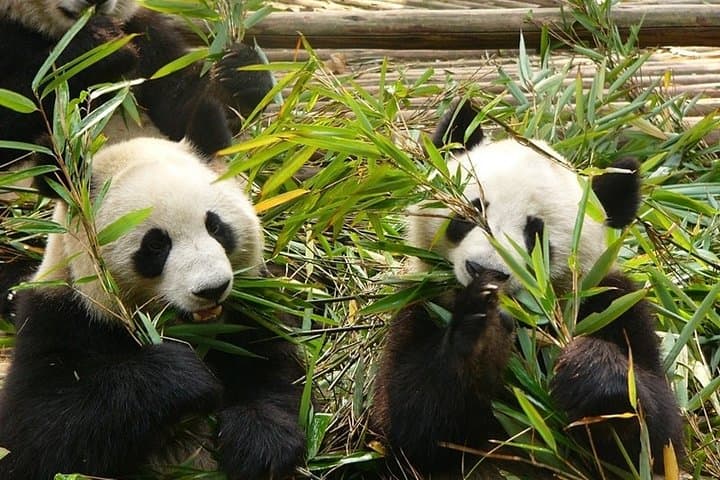
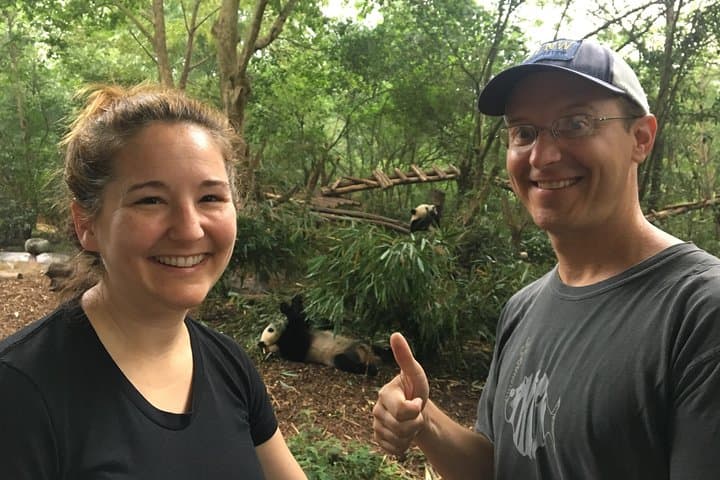
Steam of morning traffic thins as the van leaves Chengdu and the air cools toward the panda base. Arrive before feeding time and watch bamboo-munching adults and playful cubs move with surprising agility; the enclosure paths, misted grass, and reed-lined pools make the animals feel present and watchful rather than staged.
Verified experiences and guided adventures in the surrounding area.
Operated by Samtour of Chengdu OTC Travel · Chengdu, Sichuan
Steam of morning traffic thins as the van leaves Chengdu and the air cools toward the panda base. Arrive before feeding time and watch bamboo-munching adults and playful cubs move with surprising agility; the enclosure paths, misted grass, and reed-lined pools make the animals feel present and watchful rather than staged.
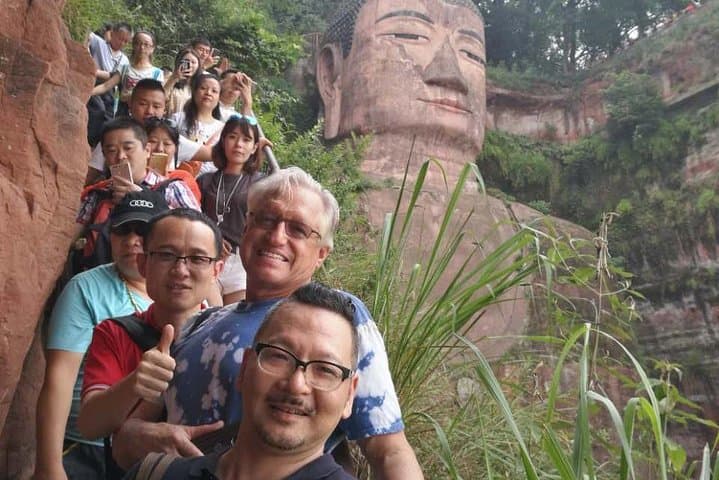
The day shifts from living wildlife to carved stone: a three-hour drive downriver to Leshan delivers the Grand Buddha, a cliff-cut colossus begun in 713 and finished in 803. The statue’s scale is geological and human—chiselled from red sandstone at the confluence of three rivers, it reads like an engineering answer to monsoon flows, its 1,020 coiled hair buns catching light and rain.
Cultural threads run through both stops: modern conservation science at the panda base and Tang-to-Tang-Song dynastic devotion at Leshan. Guides explain breeding successes and reintroduction trials, then lead visitors from Lingyun Temple’s carved halls down switchbacks to the Buddha’s feet. Rivers here seem to hurry to meet the statue, and forested slopes press like deliberate witnesses.
Practical edge: expect an 8–10 hour day with moderate walking, uneven steps downhill at Leshan, and stairs to view platforms. Comfortable, closed-toe shoes, a refillable water bottle, sun protection, and a light rain layer make the day smoother. Hotels in central Chengdu are the usual start and end points; lunch is included at a local restaurant en route. For photographers, early morning at the panda base and late-afternoon light on the Buddha provide the most dramatic contrasts.
easy.
8–10 hours.
Suitable for most fitness levels; requires standing and walking on uneven paths and stair descents at Leshan
The transfer takes about 2.5–3 hours each way depending on traffic; the tour schedules this so you have time for lunch and site visits.
Yes—this private tour includes admission to the Chengdu Panda Base and Leshan Giant Buddha as specified in the inclusions.
Yes; the tour notes stroller access and free admission for infants under one year, but Leshan involves stairs so plan for carriers if needed.
Yes—airport drop-off is possible; contact the operator after booking to arrange this option.
The Grand Buddha was carved between 713 and 803 AD during the Tang dynasty; the panda base combines modern conservation techniques with decades of captive-breeding research.
The Chengdu Research Base focuses on breeding, genetic research, and gradual reintroduction efforts; visitors are asked to follow guidelines to minimize stress on animals and reduce litter around sensitive habitats.
Samtour of Chengdu OTC Travel operates guided outdoor trips and adventures with an emphasis on safety, stewardship, and memorable experiences.

Steam of morning traffic thins as the van leaves Chengdu and the air cools toward the panda base. Arrive before feeding time and watch bamboo-munching adults and playful cubs move with surprising agility; the enclosure paths, misted grass, and reed-lined pools make the animals feel present and watchful rather than staged.
Steam of morning traffic thins as the van leaves Chengdu and the air cools toward the panda base. Arrive before feeding time and watch bamboo-munching adults and playful cubs move with surprising agility; the enclosure paths, misted grass, and reed-lined pools make the animals feel present and watchful rather than staged.
The day shifts from living wildlife to carved stone: a three-hour drive downriver to Leshan delivers the Grand Buddha, a cliff-cut colossus begun in 713 and finished in 803. The statue’s scale is geological and human—chiselled from red sandstone at the confluence of three rivers, it reads like an engineering answer to monsoon flows, its 1,020 coiled hair buns catching light and rain.
Cultural threads run through both stops: modern conservation science at the panda base and Tang-to-Tang-Song dynastic devotion at Leshan. Guides explain breeding successes and reintroduction trials, then lead visitors from Lingyun Temple’s carved halls down switchbacks to the Buddha’s feet. Rivers here seem to hurry to meet the statue, and forested slopes press like deliberate witnesses.
Practical edge: expect an 8–10 hour day with moderate walking, uneven steps downhill at Leshan, and stairs to view platforms. Comfortable, closed-toe shoes, a refillable water bottle, sun protection, and a light rain layer make the day smoother. Hotels in central Chengdu are the usual start and end points; lunch is included at a local restaurant en route. For photographers, early morning at the panda base and late-afternoon light on the Buddha provide the most dramatic contrasts.