THE ADVENTURE COLLECTIVE® · Independent discovery and booking for outdoor travel

Spend a day with China’s most famous animals and one of its most monumental sculptures. This private, door-to-door tour pairs the Chengdu Panda Base with the cliff-carved Leshan Giant Buddha for a compact, photo-ready cultural and wildlife experience.
Spend a day with China’s most famous animals and one of its most monumental sculptures. This private, door-to-door tour pairs the Chengdu Panda Base with the cliff-carved Leshan Giant Buddha for a compact, photo-ready cultural and wildlife experience.
Morning light filters through bamboo at the Chengdu Research Base of Giant Panda Breeding, and the city’s hum feels a world away. You move slowly here — pandas stretch, chew, and explore in habitats designed to feel familiar — while red pandas dart like small, russet thoughts. By midday the private car will set you south, following river valleys that seem to dare you to slow your pace as they push the boat traffic toward Leshan.
Verified experiences and guided adventures in the surrounding area.
Operated by pandachinago · Chengdu, Sichuan
Morning light filters through bamboo at the Chengdu Research Base of Giant Panda Breeding, and the city’s hum feels a world away. You move slowly here — pandas stretch, chew, and explore in habitats designed to feel familiar — while red pandas dart like small, russet thoughts. By midday the private car will set you south, following river valleys that seem to dare you to slow your pace as they push the boat traffic toward Leshan.
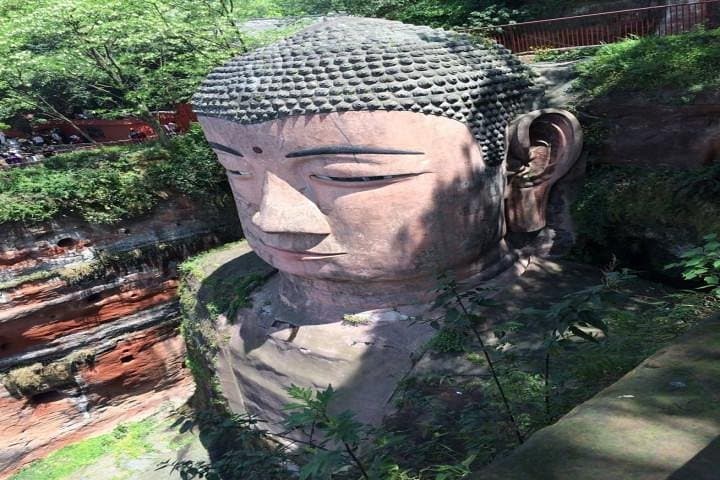
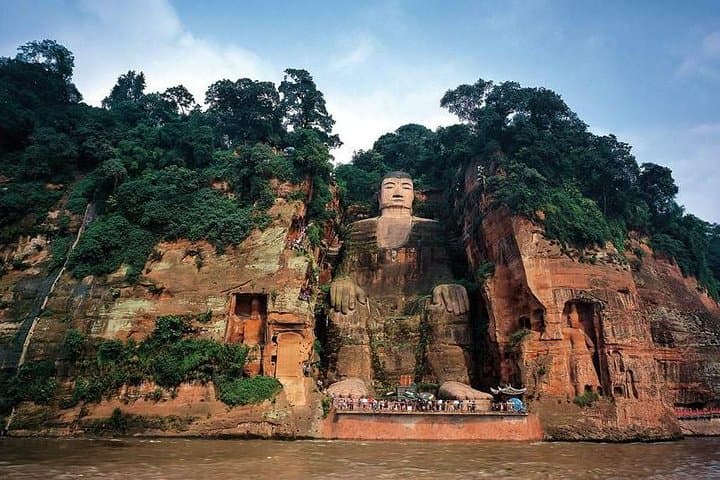
The Leshan Giant Buddha, carved into red sandstone where the Min, Dadu and Qingyi rivers meet, is a feat of Tang-dynasty engineering and hydraulic savvy. Its 71-meter seated form controls water flow at the confluence below; local lore holds that the carving reduced dangerous currents for passing boats. The area’s geology — layered fluvial sandstone and steep river-cut cliffs — shaped both the statue and the staircases that let you view it from the cliff face or river deck.
Expect about 5–8 hours door-to-door: early morning at the panda base for active behavior, then a drive of roughly two hours to Leshan depending on traffic. Wear grippy shoes for uneven stone steps, bring sun protection and water, and allow time for photography and a boat ride if you want the sculpted Buddha’s full perspective. The tour is approachable for most fitness levels but includes stair descents and short walks.
Practical tip: visit pandas in the morning when they’re most active, and plan lunch between sites. Respect wildlife distance rules, and carry cash for small vendors and boat tickets.
easy.
5–8 hours.
Suitable for most fitness levels; must manage short walks and staircases at Leshan.
The drive is typically about 1.5–2 hours each way depending on traffic and route, so expect travel time to occupy a significant portion of the day.
This tour description notes entry is not included by default—confirm whether admission fees are covered when booking and plan for separate tickets if needed.
Yes—stroller access is possible, but children must be supervised; infants may be required to sit on an adult’s lap in transit.
Yes, boat rides offer a full-frontal view of the Buddha from the river and are recommended for perspective; boats may require cash and seasonal scheduling.
Carved during the Tang dynasty to calm turbulent river currents, the Leshan Giant Buddha also reflects ancient hydraulic and cultural engineering tied to river trade.
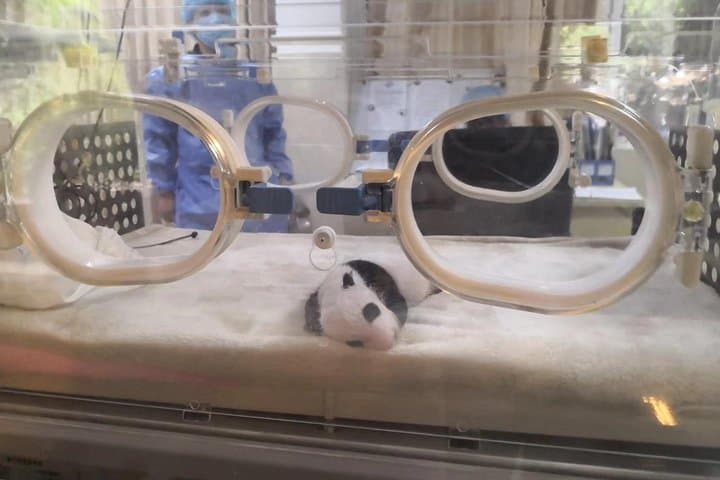
The panda base focuses on captive breeding, research and reintroduction; visitors should follow viewing rules to minimize stress on animals and support licensed conservation programs.
pandachinago operates guided outdoor trips and adventures with an emphasis on safety, stewardship, and memorable experiences.
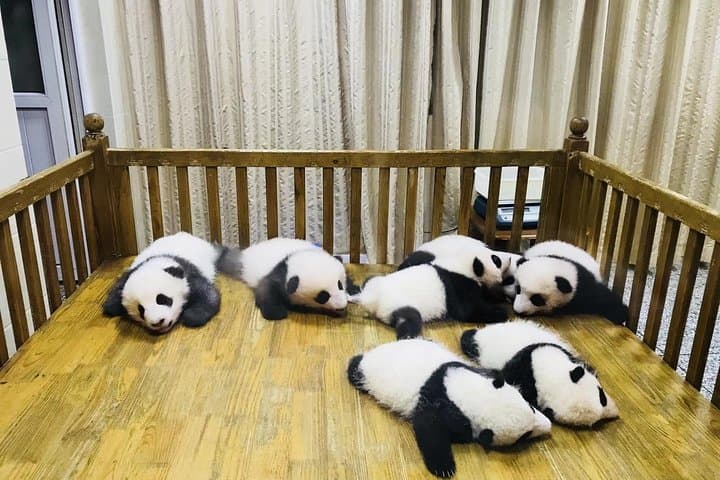
Morning light filters through bamboo at the Chengdu Research Base of Giant Panda Breeding, and the city’s hum feels a world away. You move slowly here — pandas stretch, chew, and explore in habitats designed to feel familiar — while red pandas dart like small, russet thoughts. By midday the private car will set you south, following river valleys that seem to dare you to slow your pace as they push the boat traffic toward Leshan.
Morning light filters through bamboo at the Chengdu Research Base of Giant Panda Breeding, and the city’s hum feels a world away. You move slowly here — pandas stretch, chew, and explore in habitats designed to feel familiar — while red pandas dart like small, russet thoughts. By midday the private car will set you south, following river valleys that seem to dare you to slow your pace as they push the boat traffic toward Leshan.
The Leshan Giant Buddha, carved into red sandstone where the Min, Dadu and Qingyi rivers meet, is a feat of Tang-dynasty engineering and hydraulic savvy. Its 71-meter seated form controls water flow at the confluence below; local lore holds that the carving reduced dangerous currents for passing boats. The area’s geology — layered fluvial sandstone and steep river-cut cliffs — shaped both the statue and the staircases that let you view it from the cliff face or river deck.
Expect about 5–8 hours door-to-door: early morning at the panda base for active behavior, then a drive of roughly two hours to Leshan depending on traffic. Wear grippy shoes for uneven stone steps, bring sun protection and water, and allow time for photography and a boat ride if you want the sculpted Buddha’s full perspective. The tour is approachable for most fitness levels but includes stair descents and short walks.
Practical tip: visit pandas in the morning when they’re most active, and plan lunch between sites. Respect wildlife distance rules, and carry cash for small vendors and boat tickets.