THE ADVENTURE COLLECTIVE® · Independent discovery and booking for outdoor travel

Spend a day with China’s most famous residents and step back into 1,700 years of town life. This private day trip pairs intimate panda viewing at the Chengdu Research Base with wandering Huanglongxi’s ancient lanes.
Spend a day with China’s most famous residents and step back into 1,700 years of town life. This private day trip pairs intimate panda viewing at the Chengdu Research Base with wandering Huanglongxi’s ancient lanes.
Morning light slides across bamboo groves as the Chengdu Research Base of Giant Panda Breeding wakes to a chorus of rustling leaves and the slow, deliberate movements of pandas having breakfast. Visitors arrive quietly; enclosures give way to close, humane views of animals at different life stages — from roving adults to the playful tumbles of younger bears.
Verified experiences and guided adventures in the surrounding area.
Operated by pandachinago · Chengdu, Sichuan
Morning light slides across bamboo groves as the Chengdu Research Base of Giant Panda Breeding wakes to a chorus of rustling leaves and the slow, deliberate movements of pandas having breakfast. Visitors arrive quietly; enclosures give way to close, humane views of animals at different life stages — from roving adults to the playful tumbles of younger bears.
The panda center, founded in the 1980s, combines captive breeding with research and public education; its terrain is gently hilly with planted bamboo and purpose-built dens. In the afternoon the tour shifts 40–50 km southwest to Huanglongxi Ancient Town, a 1,700-year-old riverside settlement where stone archways, narrow lanes and wooden facades recall regional Sichuan life. Movie crews often use the town’s preserved courtyards and riverfront as a living film set.
Together the sites blend natural science and living heritage: one preserves a species, the other preserves patterns of daily life shaped by the Min River and regional trade routes. Travelers will experience easy walking on paved and packed-earth surfaces, brief drives through Sichuan’s basin and a mix of interpretive exhibits and free-roam streets.
Practical notes: plan for an early start to see pandas at breakfast, bring cash for snacks and small souvenirs in Huanglongxi, and expect light walking plus stairs in the town. Respect animal viewing rules (no flash, keep distance) and wear sturdy shoes — the day is about observation, cultural texture and a gentle pulse of discovery.
easy.
5–7 hours.
Light fitness; able to walk 1–3 miles across paved and packed-earth surfaces with occasional stairs
Yes — the private tour typically includes hotel lobby pickup in central Chengdu; confirm your pickup point when booking.
Baby pandas are often visible in spring and summer but sightings depend on the animals’ schedules and breeding seasons; the base manages viewing to minimize stress on the animals.
Expect about 2–3 hours at the panda base and 2–3 hours including transit for Huanglongxi, matching the listed 5–7 hour tour length.
Yes — bottled water is provided and Huanglongxi has local snack stalls and small restaurants; bring cash for purchases.
Huanglongxi’s settlement stretches back roughly 1,700 years and retains Ming–Qing era streetscapes; the panda base was established in the late 20th century to bolster captive breeding and research.
The Chengdu base focuses on captive breeding, research and public education — visitors should follow viewing rules, avoid feeding wildlife, and support conservation-minded guidelines to reduce human impact.
pandachinago operates guided outdoor trips and adventures with an emphasis on safety, stewardship, and memorable experiences.
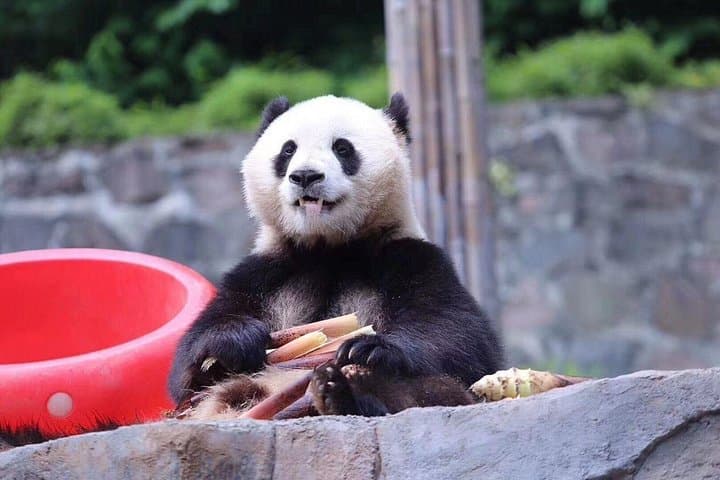

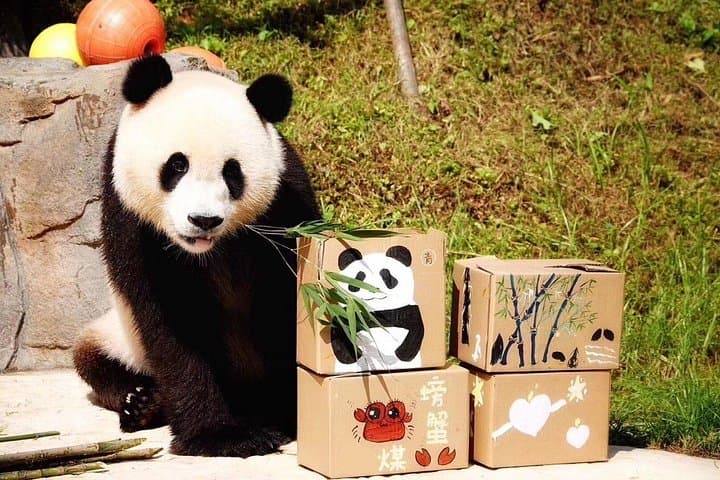
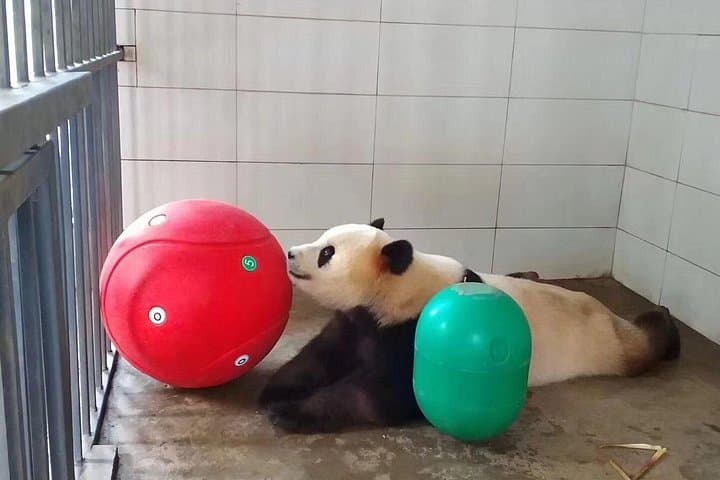
Morning light slides across bamboo groves as the Chengdu Research Base of Giant Panda Breeding wakes to a chorus of rustling leaves and the slow, deliberate movements of pandas having breakfast. Visitors arrive quietly; enclosures give way to close, humane views of animals at different life stages — from roving adults to the playful tumbles of younger bears.
Morning light slides across bamboo groves as the Chengdu Research Base of Giant Panda Breeding wakes to a chorus of rustling leaves and the slow, deliberate movements of pandas having breakfast. Visitors arrive quietly; enclosures give way to close, humane views of animals at different life stages — from roving adults to the playful tumbles of younger bears.
The panda center, founded in the 1980s, combines captive breeding with research and public education; its terrain is gently hilly with planted bamboo and purpose-built dens. In the afternoon the tour shifts 40–50 km southwest to Huanglongxi Ancient Town, a 1,700-year-old riverside settlement where stone archways, narrow lanes and wooden facades recall regional Sichuan life. Movie crews often use the town’s preserved courtyards and riverfront as a living film set.
Together the sites blend natural science and living heritage: one preserves a species, the other preserves patterns of daily life shaped by the Min River and regional trade routes. Travelers will experience easy walking on paved and packed-earth surfaces, brief drives through Sichuan’s basin and a mix of interpretive exhibits and free-roam streets.
Practical notes: plan for an early start to see pandas at breakfast, bring cash for snacks and small souvenirs in Huanglongxi, and expect light walking plus stairs in the town. Respect animal viewing rules (no flash, keep distance) and wear sturdy shoes — the day is about observation, cultural texture and a gentle pulse of discovery.