THE ADVENTURE COLLECTIVE® · Independent discovery and booking for outdoor travel

Spend a day watching pandas at their most active, then explore Chengdu’s temples and historic alleys. This private, accessible tour pairs conservation insights with city highlights for a compact, practical Chengdu experience.
Spend a day watching pandas at their most active, then explore Chengdu’s temples and historic alleys. This private, accessible tour pairs conservation insights with city highlights for a compact, practical Chengdu experience.
Morning light slides through bamboo leaves as you walk into the Chengdu Research Base of Giant Panda Breeding, where the slow, curious rhythms of pandas set the pace for the day. The grove smells faintly of earth and bamboo; cubs tumble near sunlit enclosures while adults methodically chew bamboo, and guides translate those small gestures into conservation stories.
Verified experiences and guided adventures in the surrounding area.
Operated by Chengdu kungfu Class · Chengdu, Sichuan
Morning light slides through bamboo leaves as you walk into the Chengdu Research Base of Giant Panda Breeding, where the slow, curious rhythms of pandas set the pace for the day. The grove smells faintly of earth and bamboo; cubs tumble near sunlit enclosures while adults methodically chew bamboo, and guides translate those small gestures into conservation stories.
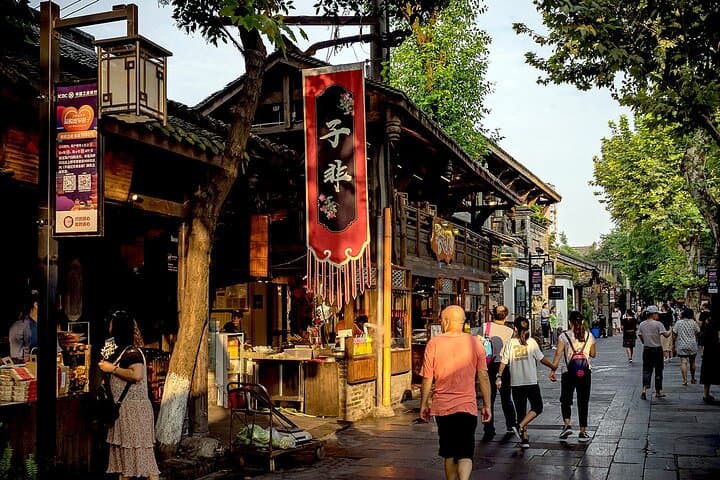
The city that follows is a different tempo: incense and carved beams at Wenshu Monastery, lacquered gates and warriors’ legends at Wuhou Shrine, and the lively lanes of Kuan and Zhai Alley where teahouses invite you to sit and watch Chengdu life pass. Chengdu sits on the broad Sichuan Basin; its loess soils and nearby Qinling and Longmen ranges shaped both local agriculture and the culture of leisure—tea culture, silk trade routes, and the Shu Kingdom’s deep historical roots.
Expect roughly 2–3 hours at the panda base, followed by guided stops of about an hour each at a monastery and historic alleys. The tour balances relaxed wildlife viewing with short urban walks on mostly paved surfaces; the guide provides context on breeding programs, habitat protection, and local customs.
Practical notes: arrive early at the base for peak activity, carry quiet footwear and a light jacket for shaded paths, and bring cash for street snacks and small souvenirs. Photography is welcome but follow staff guidance around enclosures. This one-day loop is ideal if you want a concentrated mix of wildlife, history, and Chengdu street life without intensive hiking or long transfers.
easy.
8–9 hours.
Light fitness; able to stand and walk short distances over flat or slightly uneven surfaces.
Access is controlled for animal welfare—viewing platforms and guided paths allow close observation but not physical contact.
Yes. The listing notes wheelchair-accessible transport and surfaces at the base and many city stops; check specific pickup and mobility needs when booking.
Yes—entrance to the Chengdu Panda Base is included in the tour price per the itinerary.
Private guides often offer English; confirm language at booking if you need another language.
Chengdu’s Wuhou Shrine commemorates figures from the Three Kingdoms era, reflecting the city’s long role as the Shu Kingdom’s cultural center.
The Chengdu base runs captive breeding, research, and rewilding initiatives; visitors are asked to follow rules that reduce stress on animals and support conservation funding.
Chengdu kungfu Class operates guided outdoor trips and adventures with an emphasis on safety, stewardship, and memorable experiences.

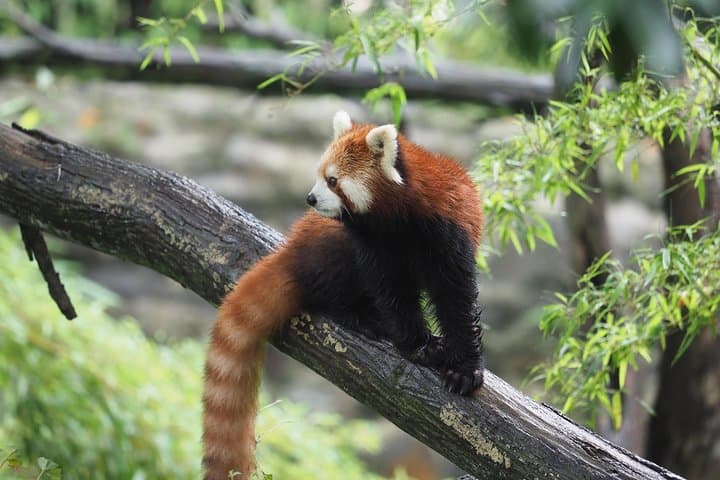

Morning light slides through bamboo leaves as you walk into the Chengdu Research Base of Giant Panda Breeding, where the slow, curious rhythms of pandas set the pace for the day. The grove smells faintly of earth and bamboo; cubs tumble near sunlit enclosures while adults methodically chew bamboo, and guides translate those small gestures into conservation stories.
Morning light slides through bamboo leaves as you walk into the Chengdu Research Base of Giant Panda Breeding, where the slow, curious rhythms of pandas set the pace for the day. The grove smells faintly of earth and bamboo; cubs tumble near sunlit enclosures while adults methodically chew bamboo, and guides translate those small gestures into conservation stories.
The city that follows is a different tempo: incense and carved beams at Wenshu Monastery, lacquered gates and warriors’ legends at Wuhou Shrine, and the lively lanes of Kuan and Zhai Alley where teahouses invite you to sit and watch Chengdu life pass. Chengdu sits on the broad Sichuan Basin; its loess soils and nearby Qinling and Longmen ranges shaped both local agriculture and the culture of leisure—tea culture, silk trade routes, and the Shu Kingdom’s deep historical roots.
Expect roughly 2–3 hours at the panda base, followed by guided stops of about an hour each at a monastery and historic alleys. The tour balances relaxed wildlife viewing with short urban walks on mostly paved surfaces; the guide provides context on breeding programs, habitat protection, and local customs.
Practical notes: arrive early at the base for peak activity, carry quiet footwear and a light jacket for shaded paths, and bring cash for street snacks and small souvenirs. Photography is welcome but follow staff guidance around enclosures. This one-day loop is ideal if you want a concentrated mix of wildlife, history, and Chengdu street life without intensive hiking or long transfers.