THE ADVENTURE COLLECTIVE® · Independent discovery and booking for outdoor travel

Combine Chengdu’s famous pandas with a visit to the 71-meter Leshan Giant Buddha in one efficient day. This small-group tour pairs wildlife viewing at the Research Base with the cliff-side scale and history of the Buddha.
Combine Chengdu’s famous pandas with a visit to the 71-meter Leshan Giant Buddha in one efficient day. This small-group tour pairs wildlife viewing at the Research Base with the cliff-side scale and history of the Buddha.
Morning mist lifts off Chengdu as an air-conditioned van threads out of the city toward bamboo and stone. At the Chengdu Research Base of Giant Panda Breeding you’ll watch infants tumble and elders laze beneath bamboo—pandas moving with an unhurried curiosity that seems to challenge your schedule.
Verified experiences and guided adventures in the surrounding area.
Operated by Travel Sichuan Guide · Chengdu, Sichuan
Morning mist lifts off Chengdu as an air-conditioned van threads out of the city toward bamboo and stone. At the Chengdu Research Base of Giant Panda Breeding you’ll watch infants tumble and elders laze beneath bamboo—pandas moving with an unhurried curiosity that seems to challenge your schedule.
The afternoon shifts in tempo: a 2–2.5 hour expressway drive takes you south to Leshan, where a 71-meter seated Buddha was carved into a red cliff face during the Tang dynasty (completed in 803 AD). The statue looks down over the meeting of three rivers—the Min, Dadu and Qingyi—which still push silt and stories past its toes.
This is a hybrid day of wildlife conservation and cultural geology. The panda base, founded as a breeding and research institution, emphasizes veterinary care and habitat simulation; Leshan’s Buddha speaks to medieval engineering—drainage channels and carved niches keep the stone from eroding as fast as the river would wish.
Plan practically: expect 2.5–3 hours at the panda center and roughly 2 hours at Leshan, with transit in between. Wear grippy shoes for stairs at the Buddha, bring sun and rain protection, and carry local currency for optional boat rides or entry fees. Travel early to avoid crowds, and treat both sites with respect—observe barriers at the pandas and be mindful on temple grounds. The day balances gentle walking, photo stops, and quiet observation—accessible to most travelers with moderate fitness.
moderate.
5–12 hours.
Moderate fitness recommended—short walks, standing for viewing, and negotiating stairs at Leshan.
Tour listings vary—some include the Leshan entry fee while others list it as an optional extra (approx. 80 RMB); confirm at booking.
You’ll view pandas from designated viewing areas—enclosures are designed for welfare and photography but direct petting is not allowed.
Expect about 2–2.5 hours each way on the expressway depending on traffic; the tour schedules transit and stops to fit both sites in a day.
Yes for most, but it requires moderate mobility (stairs at Leshan) and is not recommended for those with serious heart or mobility issues.
The Leshan Giant Buddha was carved during the Tang dynasty and completed in 803 AD to calm turbulent river currents and invoke protection for passing boats; Chengdu’s panda base started modern conservation and breeding programs in the late 20th century.
The panda base is focused on captive breeding, research and reintroduction efforts; visitors should follow guidelines to minimize stress on animals and reduce littering at both sites.
Travel Sichuan Guide operates guided outdoor trips and adventures with an emphasis on safety, stewardship, and memorable experiences.
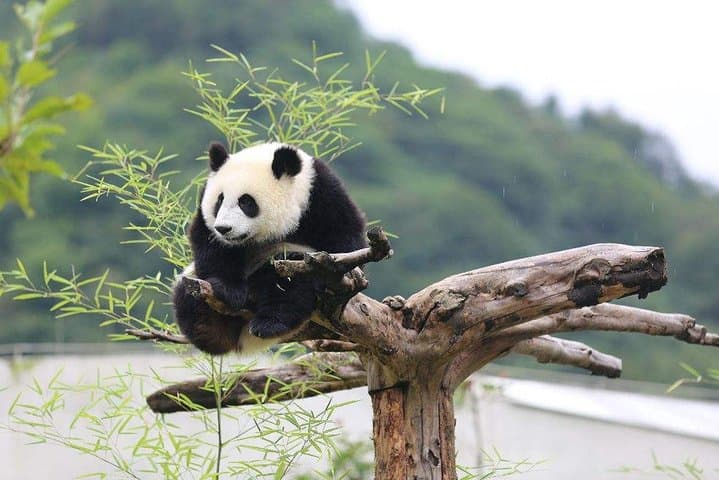
Morning mist lifts off Chengdu as an air-conditioned van threads out of the city toward bamboo and stone. At the Chengdu Research Base of Giant Panda Breeding you’ll watch infants tumble and elders laze beneath bamboo—pandas moving with an unhurried curiosity that seems to challenge your schedule.
Morning mist lifts off Chengdu as an air-conditioned van threads out of the city toward bamboo and stone. At the Chengdu Research Base of Giant Panda Breeding you’ll watch infants tumble and elders laze beneath bamboo—pandas moving with an unhurried curiosity that seems to challenge your schedule.
The afternoon shifts in tempo: a 2–2.5 hour expressway drive takes you south to Leshan, where a 71-meter seated Buddha was carved into a red cliff face during the Tang dynasty (completed in 803 AD). The statue looks down over the meeting of three rivers—the Min, Dadu and Qingyi—which still push silt and stories past its toes.
This is a hybrid day of wildlife conservation and cultural geology. The panda base, founded as a breeding and research institution, emphasizes veterinary care and habitat simulation; Leshan’s Buddha speaks to medieval engineering—drainage channels and carved niches keep the stone from eroding as fast as the river would wish.
Plan practically: expect 2.5–3 hours at the panda center and roughly 2 hours at Leshan, with transit in between. Wear grippy shoes for stairs at the Buddha, bring sun and rain protection, and carry local currency for optional boat rides or entry fees. Travel early to avoid crowds, and treat both sites with respect—observe barriers at the pandas and be mindful on temple grounds. The day balances gentle walking, photo stops, and quiet observation—accessible to most travelers with moderate fitness.