THE ADVENTURE COLLECTIVE® · Independent discovery and booking for outdoor travel

Walk a Chengdu market, learn the spice language of Sichuan, and cook your own Mapo Tofu in a professional kitchen. This half-day workshop mixes hands-on technique with local culinary culture.
Walk a Chengdu market, learn the spice language of Sichuan, and cook your own Mapo Tofu in a professional kitchen. This half-day workshop mixes hands-on technique with local culinary culture.
You enter the market by mid-morning: steam rising from wet stalls, bundles of Sichuan peppercorns stacked like spices of war, and vendors calling prices with practiced rhythms. The air is bright with chiles and soy; the stall lights glint off fresh tofu blocks. This half-day experience begins here, where ingredients and stories are as important as the recipe.
Verified experiences and guided adventures in the surrounding area.
Operated by Chilli Cool China · Chengdu, Sichuan
You enter the market by mid-morning: steam rising from wet stalls, bundles of Sichuan peppercorns stacked like spices of war, and vendors calling prices with practiced rhythms. The air is bright with chiles and soy; the stall lights glint off fresh tofu blocks. This half-day experience begins here, where ingredients and stories are as important as the recipe.
Mapo tofu was popularized in Chengdu in the late Qing era by a pockmarked seller known locally as “Ma Po.” The dish’s signature mala — the numbing heat from Sichuan pepper combined with chile oil — comes from the region’s unique geology and climate that favor pepper and chili cultivation. Chengdu’s tea-house culture and relaxed eating rhythms shape how locals approach food: communal, bold, and unhurried.
After a guided market walk with small challenges to identify spices and ingredients, you move to a professional cooking school. A chef demonstrates the wok technique, timing, and seasoning balance before you cook your own mapo tofu. Expect hands-on knife work, wok heat, and tasting notes on texture and spice levels. The class ends with the meal you’ve made, paired with local tea or a beer.
Practical notes: the workshop lasts about 4–5 hours and involves short market walks and standing at a stove. Bring comfortable shoes, a reusable bag for market finds, and note dietary needs when booking. The experience blends cultural context with practical skills — it’s culinary education with a local pulse.
easy.
4–5 hours.
Light walking in a market and standing for cooking; suitable for most people with average fitness.
Yes—children aged 3 and up may join, but the experience includes busy market streets and hot stoves, so supervision is required.
Yes—vegetarian options are available but you must notify the operator at booking so ingredients and recipes can be adjusted.
The class is typically led in Mandarin with English assistance provided; confirm language availability when booking for full clarity.
Bring comfortable shoes, any required passport information, and a small bag for market purchases; recipes and ingredients are provided.
Mapo tofu traces to a Chengdu street vendor from the late Qing dynasty; the dish’s name means ‘pockmarked grandmother’ and reflects local culinary storytelling.
Support small market vendors and reduce packaging by bringing reusable bags; ask about sustainably sourced peppers and minimize food waste when sampling.
Chilli Cool China operates guided outdoor trips and adventures with an emphasis on safety, stewardship, and memorable experiences.


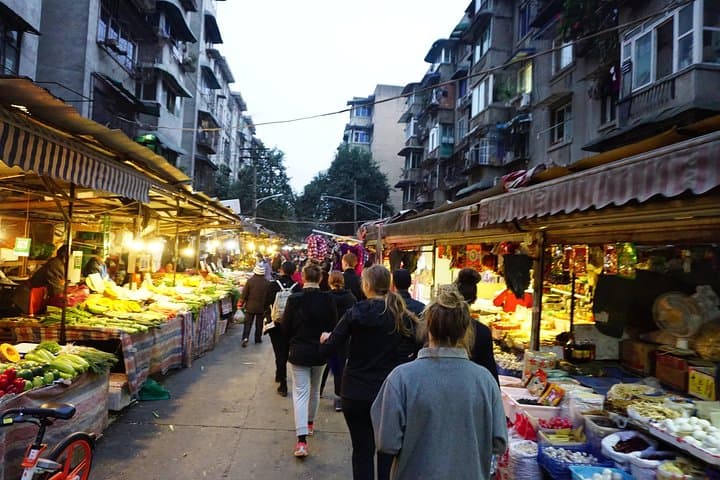

You enter the market by mid-morning: steam rising from wet stalls, bundles of Sichuan peppercorns stacked like spices of war, and vendors calling prices with practiced rhythms. The air is bright with chiles and soy; the stall lights glint off fresh tofu blocks. This half-day experience begins here, where ingredients and stories are as important as the recipe.
You enter the market by mid-morning: steam rising from wet stalls, bundles of Sichuan peppercorns stacked like spices of war, and vendors calling prices with practiced rhythms. The air is bright with chiles and soy; the stall lights glint off fresh tofu blocks. This half-day experience begins here, where ingredients and stories are as important as the recipe.
Mapo tofu was popularized in Chengdu in the late Qing era by a pockmarked seller known locally as “Ma Po.” The dish’s signature mala — the numbing heat from Sichuan pepper combined with chile oil — comes from the region’s unique geology and climate that favor pepper and chili cultivation. Chengdu’s tea-house culture and relaxed eating rhythms shape how locals approach food: communal, bold, and unhurried.
After a guided market walk with small challenges to identify spices and ingredients, you move to a professional cooking school. A chef demonstrates the wok technique, timing, and seasoning balance before you cook your own mapo tofu. Expect hands-on knife work, wok heat, and tasting notes on texture and spice levels. The class ends with the meal you’ve made, paired with local tea or a beer.
Practical notes: the workshop lasts about 4–5 hours and involves short market walks and standing at a stove. Bring comfortable shoes, a reusable bag for market finds, and note dietary needs when booking. The experience blends cultural context with practical skills — it’s culinary education with a local pulse.