THE ADVENTURE COLLECTIVE® · Independent discovery and booking for outdoor travel

Spend a private day with giant pandas at Chengdu Research Base, stroll historic Wide and Narrow Alleys, and send panda-stamped postcards — all with a local guide. This concise tour packs wildlife, culture, and efficient city transfers into a 6–7 hour outing.
Spend a private day with giant pandas at Chengdu Research Base, stroll historic Wide and Narrow Alleys, and send panda-stamped postcards — all with a local guide. This concise tour packs wildlife, culture, and efficient city transfers into a 6–7 hour outing.
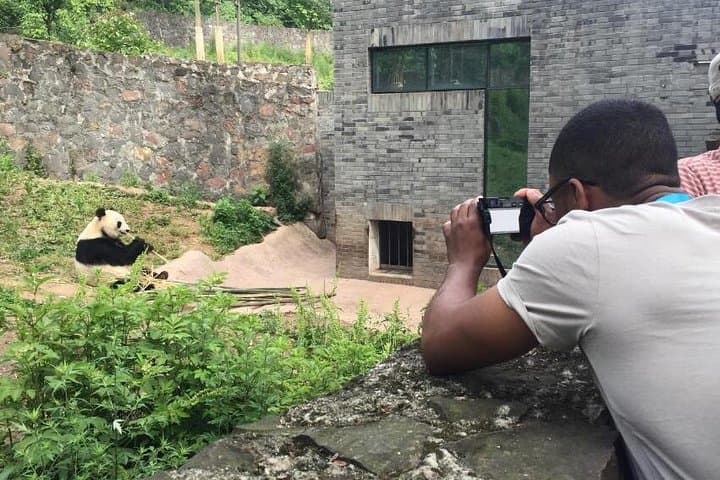
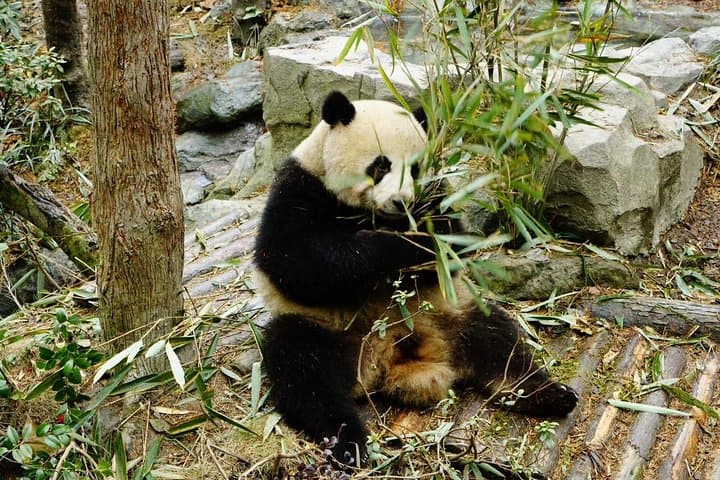
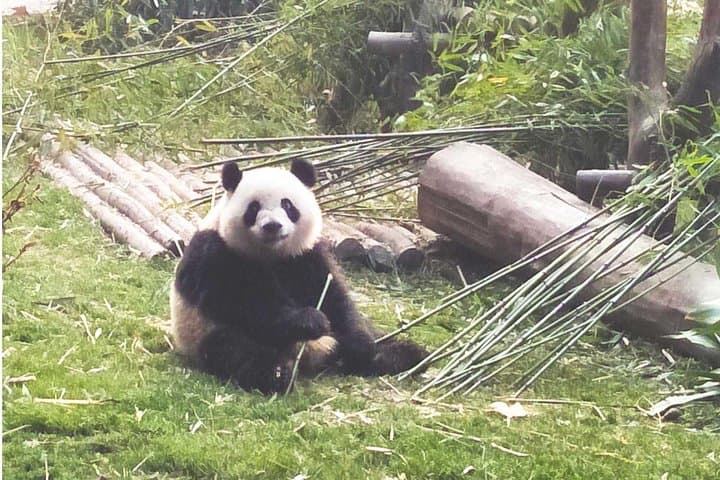
Morning light in Chengdu feels deliberate — the city exhales steam from teahouses while buses hum toward the north, and the pandas at the Research Base wake to a schedule of bamboo and curiosity. On this private day tour you arrive when the animals are most active: cubs tumbling, adults methodically stripping bamboo, and keepers moving with practiced calm.
Verified experiences and guided adventures in the surrounding area.
Operated by Yestrips · Chengdu, Sichuan
Morning light in Chengdu feels deliberate — the city exhales steam from teahouses while buses hum toward the north, and the pandas at the Research Base wake to a schedule of bamboo and curiosity. On this private day tour you arrive when the animals are most active: cubs tumbling, adults methodically stripping bamboo, and keepers moving with practiced calm.
The base itself grew from conservation work begun in the 1980s to rescue a species tied to Sichuan’s highland forests. The basin of the Min River and the nearby Longmen Shan foothills shape the region’s misty microclimate, feeding the bamboo stands pandas rely on. After the Base, the tour drops into Chengdu’s urban layers — Wide and Narrow Alleys recall Qing-era lanes, while Chunxi Road’s giant panda sculpture speaks to the city’s modern embrace of its icon.
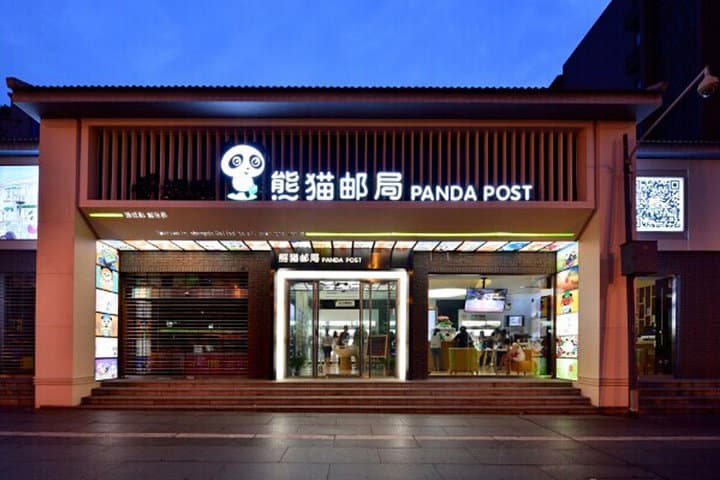
This day blends wildlife observation with soft cultural stops: a themed post office where you can stamp panda postcards and a lunch at a local restaurant to try Sichuan flavors.
Practical edge: plan on 6–7 hours, comfortable shoes, and a private vehicle that saves transit time in Chengdu traffic. Photography is allowed but avoid flash and loud noise around enclosures. Bring water, expect light walking on paved and packed-earth paths, and leave single-use plastics minimal to support the Base’s conservation mission. Early starts matter here — pandas reward punctual visitors with the liveliest displays.
easy.
6–7 hours.
Low; suitable for most fitness levels with several short walks on even paths
Yes — private pickup and drop-off from Chengdu downtown hotels is included in the tour.
No — direct contact with pandas is not permitted; interactions are observational and managed by staff for welfare reasons.
Entrance ticket fees and a local lunch are included as listed in the tour inclusions.
Expect several short walks on level or gently sloped paths; the tour is classified as easy and suitable for most guests.
Chengdu has been a regional cultural center for over 2,000 years; the panda breeding base was founded in the 1980s to coordinate captive breeding and conservation.
The Chengdu base focuses on breeding and research plus reintroduction planning; visitors are encouraged to follow keeper guidance and minimize single-use plastics to reduce impact.
Yestrips operates guided outdoor trips and adventures with an emphasis on safety, stewardship, and memorable experiences.
Morning light in Chengdu feels deliberate — the city exhales steam from teahouses while buses hum toward the north, and the pandas at the Research Base wake to a schedule of bamboo and curiosity. On this private day tour you arrive when the animals are most active: cubs tumbling, adults methodically stripping bamboo, and keepers moving with practiced calm.
Morning light in Chengdu feels deliberate — the city exhales steam from teahouses while buses hum toward the north, and the pandas at the Research Base wake to a schedule of bamboo and curiosity. On this private day tour you arrive when the animals are most active: cubs tumbling, adults methodically stripping bamboo, and keepers moving with practiced calm.
The base itself grew from conservation work begun in the 1980s to rescue a species tied to Sichuan’s highland forests. The basin of the Min River and the nearby Longmen Shan foothills shape the region’s misty microclimate, feeding the bamboo stands pandas rely on. After the Base, the tour drops into Chengdu’s urban layers — Wide and Narrow Alleys recall Qing-era lanes, while Chunxi Road’s giant panda sculpture speaks to the city’s modern embrace of its icon.
This day blends wildlife observation with soft cultural stops: a themed post office where you can stamp panda postcards and a lunch at a local restaurant to try Sichuan flavors.
Practical edge: plan on 6–7 hours, comfortable shoes, and a private vehicle that saves transit time in Chengdu traffic. Photography is allowed but avoid flash and loud noise around enclosures. Bring water, expect light walking on paved and packed-earth paths, and leave single-use plastics minimal to support the Base’s conservation mission. Early starts matter here — pandas reward punctual visitors with the liveliest displays.