THE ADVENTURE COLLECTIVE® · Independent discovery and booking for outdoor travel

See giant pandas in two contrasting settings: the city-based Chengdu Research Base for easy access and education, or the higher-elevation Shenshuping station near Wolong for a more natural mountain setting. Plan early arrival, layered clothing for elevation changes, and 2–5 hours for a full visit.
See giant pandas in two contrasting settings: the city-based Chengdu Research Base for easy access and education, or the higher-elevation Shenshuping station near Wolong for a more natural mountain setting. Plan early arrival, layered clothing for elevation changes, and 2–5 hours for a full visit.
A morning at the Chengdu Research Base begins with a polite clamor: pandas stretch, shuffle, and forage as sunlight warms the bamboo groves. The city’s facility offers a curated, accessible encounter—wide paths, glass viewing areas, and enclosures designed for observation—while the Shenshuping option, higher on the slopes of Wolong at roughly 1,700 m, places you closer to the mountain air and forested habitat where pandas move through mossy understory and narrow stream courses.
Verified experiences and guided adventures in the surrounding area.
Operated by zowoyoo · Chengdu, Sichuan
A morning at the Chengdu Research Base begins with a polite clamor: pandas stretch, shuffle, and forage as sunlight warms the bamboo groves. The city’s facility offers a curated, accessible encounter—wide paths, glass viewing areas, and enclosures designed for observation—while the Shenshuping option, higher on the slopes of Wolong at roughly 1,700 m, places you closer to the mountain air and forested habitat where pandas move through mossy understory and narrow stream courses.
The Chengdu base grew from captive-breeding and research efforts begun in the late 20th century; it’s both a modern conservation center and public education venue. Geologically, the Sichuan Basin gives way to the eastern Tibetan Plateau; Shenshuping’s higher elevation reflects that transition with cooler temperatures and mixed broadleaf-conifer stands. Culturally, the region’s connection to pandas runs deep—local conservation staff, researchers, and community programs link traditional rural life with contemporary wildlife management.
Practical guidance: plan for early arrival to see peak activity, allow 2–5 hours depending on whether you add Shenshuping, and expect paved trails at Chengdu versus rustic, uphill paths at Shenshuping. Bring layers for changing elevation, a refillable water bottle, and a camera with a moderate zoom. Accessibility is good at the Chengdu base; Shenshuping involves more walking. Tickets are timed—book in advance during spring and autumn peak seasons to avoid long lines.
easy.
1–9 hours.
Suitable for most fitness levels; moderate walking and some standing required, more uphill walking if you choose Shenshuping.
Chengdu Research Base is a city-accessible conservation and education center with paved viewing areas; Shenshuping is higher-elevation, more forested, and offers a closer-to-wild habitat feel but requires more walking.
Expect 1–3 hours at the Chengdu base alone; adding Shenshuping or a transfer increases total outing time to 4–9 hours depending on transport and exploration.
The Chengdu Research Base has wheelchair- and stroller-accessible paths and facilities; Shenshuping has rougher trails and limited accessibility, so check options if mobility assistance is needed.
Early morning during feeding times is best—pandas are most active shortly after the reserve opens, and spring and autumn generally offer comfortable viewing conditions.
The Chengdu Research Base grew from late-20th-century captive-breeding and research programs aimed at reversing population declines and building scientific capacity in panda husbandry.
Both sites emphasize breeding, veterinary research, and rewilding trials; visitors should follow site rules to reduce stress on animals and support ongoing habitat restoration programs.
zowoyoo operates guided outdoor trips and adventures with an emphasis on safety, stewardship, and memorable experiences.
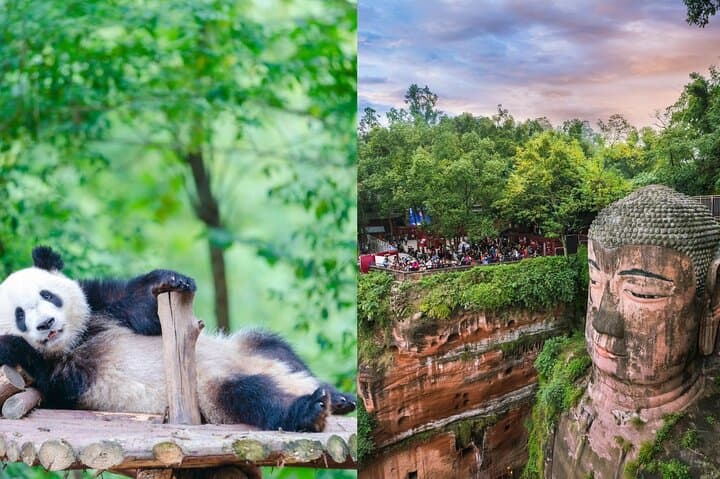
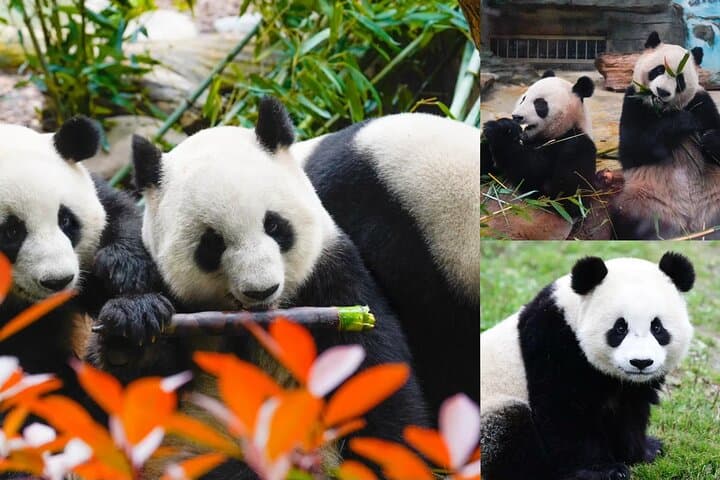
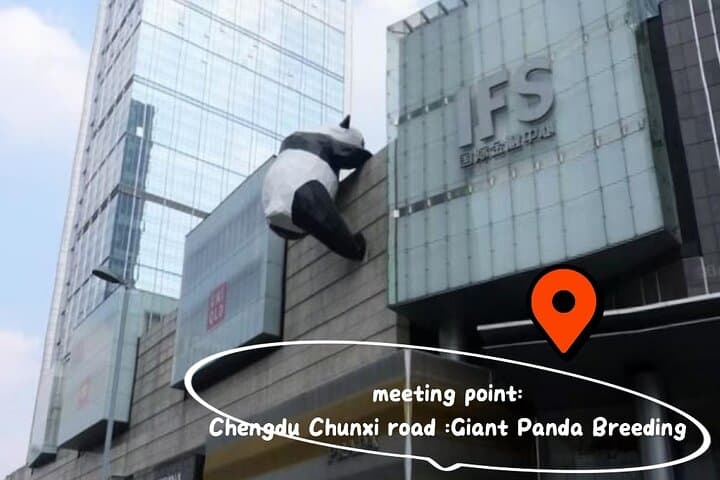

A morning at the Chengdu Research Base begins with a polite clamor: pandas stretch, shuffle, and forage as sunlight warms the bamboo groves. The city’s facility offers a curated, accessible encounter—wide paths, glass viewing areas, and enclosures designed for observation—while the Shenshuping option, higher on the slopes of Wolong at roughly 1,700 m, places you closer to the mountain air and forested habitat where pandas move through mossy understory and narrow stream courses.
A morning at the Chengdu Research Base begins with a polite clamor: pandas stretch, shuffle, and forage as sunlight warms the bamboo groves. The city’s facility offers a curated, accessible encounter—wide paths, glass viewing areas, and enclosures designed for observation—while the Shenshuping option, higher on the slopes of Wolong at roughly 1,700 m, places you closer to the mountain air and forested habitat where pandas move through mossy understory and narrow stream courses.
The Chengdu base grew from captive-breeding and research efforts begun in the late 20th century; it’s both a modern conservation center and public education venue. Geologically, the Sichuan Basin gives way to the eastern Tibetan Plateau; Shenshuping’s higher elevation reflects that transition with cooler temperatures and mixed broadleaf-conifer stands. Culturally, the region’s connection to pandas runs deep—local conservation staff, researchers, and community programs link traditional rural life with contemporary wildlife management.
Practical guidance: plan for early arrival to see peak activity, allow 2–5 hours depending on whether you add Shenshuping, and expect paved trails at Chengdu versus rustic, uphill paths at Shenshuping. Bring layers for changing elevation, a refillable water bottle, and a camera with a moderate zoom. Accessibility is good at the Chengdu base; Shenshuping involves more walking. Tickets are timed—book in advance during spring and autumn peak seasons to avoid long lines.