THE ADVENTURE COLLECTIVE® · Independent discovery and booking for outdoor travel

Book ahead for guaranteed timed entry to the Chengdu Giant Panda Breeding Research Base. This practical guide covers what to expect on-site, the best times to visit, and essential tips for a smooth, informative wildlife experience.
Book ahead for guaranteed timed entry to the Chengdu Giant Panda Breeding Research Base. This practical guide covers what to expect on-site, the best times to visit, and essential tips for a smooth, informative wildlife experience.
You step through the gate and the city noise falls away — bamboo stands sway, a clear pond catches the sky, and a gentle chorus of birds carries across lawns where pandas amble and nap.
Verified experiences and guided adventures in the surrounding area.
Operated by happychinatours · Chengdu, Sichuan
You step through the gate and the city noise falls away — bamboo stands sway, a clear pond catches the sky, and a gentle chorus of birds carries across lawns where pandas amble and nap.
Established in 1987, the Chengdu Research Base of Giant Panda Breeding was built to recreate the species’ natural environment while focusing on breeding, research and public education. Paths wind through dense bamboo groves, small lakes and indoor nurseries; a compact panda museum explains conservation history and the science behind captive breeding and reintroduction efforts.
Geologically the area sits on Chengdu’s basin plain, so trails are mostly level with gentle rises rather than steep climbs. Cultural context matters here: the giant panda is a national symbol in China and the base operates as both a scientific facility and a major public park, balancing visitor access with animal welfare.
Practical guidance: plan for about 3–4 hours to move at a relaxed pace, longer if you linger at nurseries or the museum. Early mornings are best — pandas are most active before midday heat. Most exhibits are stroller- and wheelchair-accessible; signage is bilingual in places, but Mandarin labels are common. Wear comfortable walking shoes, bring a refillable water bottle, and allow time for queueing at popular viewing areas. Tickets often sell out for weekend mornings, so book a timed entry to guarantee admission.
A visit offers both close-up animal observation and a clear window into modern conservation work — expect charm, education and easy walking through thoughtfully designed habitats.
easy.
3–4 hours.
Suitable for most fitness levels; mostly flat walking on paved paths with occasional slopes.
Advance tickets with a timed entry are recommended—weekend and holiday mornings often sell out, so booking guarantees admission.
Yes; most paths and facilities are wheelchair- and stroller-accessible, and transportation options in some packages are accessible as noted.
Plan 3–4 hours to see major enclosures, the panda museum and nursery; longer if you attend feeding times or special exhibits.
Yes, the base often displays young pandas and has viewing areas for nurseries, though access can vary and is sometimes rotated to protect animals.
Founded in 1987, the base grew from captive-breeding efforts and now combines research, public education and reintroduction programs.
The base focuses on captive breeding, genetic research and habitat restoration; visitors help by following rules, staying on paths and minimizing single-use plastics.
happychinatours operates guided outdoor trips and adventures with an emphasis on safety, stewardship, and memorable experiences.
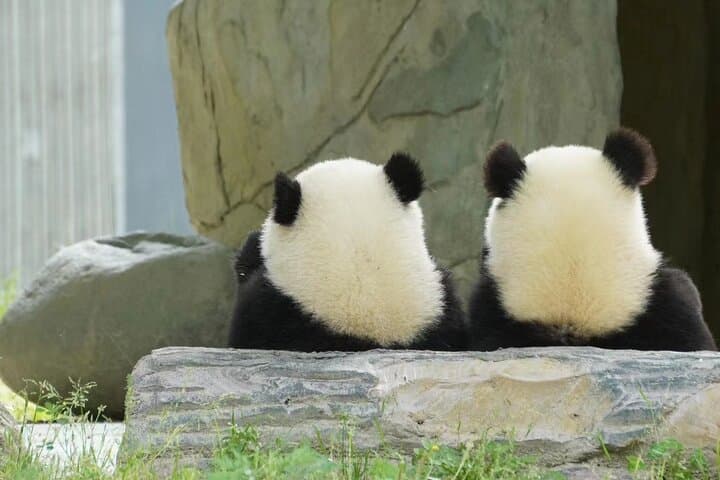
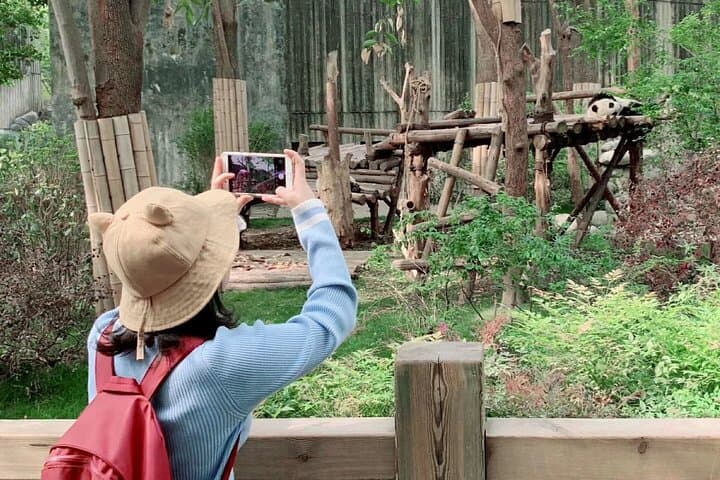


You step through the gate and the city noise falls away — bamboo stands sway, a clear pond catches the sky, and a gentle chorus of birds carries across lawns where pandas amble and nap.
You step through the gate and the city noise falls away — bamboo stands sway, a clear pond catches the sky, and a gentle chorus of birds carries across lawns where pandas amble and nap.
Established in 1987, the Chengdu Research Base of Giant Panda Breeding was built to recreate the species’ natural environment while focusing on breeding, research and public education. Paths wind through dense bamboo groves, small lakes and indoor nurseries; a compact panda museum explains conservation history and the science behind captive breeding and reintroduction efforts.
Geologically the area sits on Chengdu’s basin plain, so trails are mostly level with gentle rises rather than steep climbs. Cultural context matters here: the giant panda is a national symbol in China and the base operates as both a scientific facility and a major public park, balancing visitor access with animal welfare.
Practical guidance: plan for about 3–4 hours to move at a relaxed pace, longer if you linger at nurseries or the museum. Early mornings are best — pandas are most active before midday heat. Most exhibits are stroller- and wheelchair-accessible; signage is bilingual in places, but Mandarin labels are common. Wear comfortable walking shoes, bring a refillable water bottle, and allow time for queueing at popular viewing areas. Tickets often sell out for weekend mornings, so book a timed entry to guarantee admission.
A visit offers both close-up animal observation and a clear window into modern conservation work — expect charm, education and easy walking through thoughtfully designed habitats.