THE ADVENTURE COLLECTIVE® · Independent discovery and booking for outdoor travel

Skip the lines and catch pandas at their liveliest: book tickets ahead for the Chengdu Giant Panda Breeding Base and aim for early morning to see cubs and adults active. This guide covers what to expect, practical tips, and how to make the most of a visit focused on conservation and close-up wildlife viewing.
Skip the lines and catch pandas at their liveliest: book tickets ahead for the Chengdu Giant Panda Breeding Base and aim for early morning to see cubs and adults active. This guide covers what to expect, practical tips, and how to make the most of a visit focused on conservation and close-up wildlife viewing.
You walk through an avenue of bamboo that rustles like a crowd greeting a celebrity; the air is cool, damp and threaded with the faint scent of grass and animal fur. At the Chengdu Giant Panda Breeding Base the pandas move with a slow, deliberate curiosity — cubs tumbling in shaded enclosures, adults cradling bamboo like a private ritual. The most active hours are early morning, when keepers bring fresh shoots and the animals are at their most playful.
Verified experiences and guided adventures in the surrounding area.
Operated by pandachinago · Chengdu, Sichuan
You walk through an avenue of bamboo that rustles like a crowd greeting a celebrity; the air is cool, damp and threaded with the faint scent of grass and animal fur. At the Chengdu Giant Panda Breeding Base the pandas move with a slow, deliberate curiosity — cubs tumbling in shaded enclosures, adults cradling bamboo like a private ritual. The most active hours are early morning, when keepers bring fresh shoots and the animals are at their most playful.
Opened in the late 1980s to coordinate captive breeding and research, the base blends modern enclosures with reconstructed native habitat across dozens of hectares. Geologically, the Sichuan Basin’s low hills create the gentle terrain; culturally, Chengdu’s long history of tea houses and relaxed urban life makes visiting a local ritual as much as a tourist stop. The site also houses educational exhibits about pandas’ evolutionary relationship with bamboo and regional conservation challenges.
Practicalities: reserve tickets in advance, especially in spring and national holidays — same-day entry is unlikely during peak season. Bring your passport for booking verification and arrive in the first hours after opening to see the most activity. Paths are mostly paved and wheelchair-accessible but can be crowded; allow two to four hours for a measured visit, longer if you plan to use interpretive displays or photography hides.
Respect distance rules around enclosures, keep voices low and avoid flash photography. By planning your timing and gear you’ll experience both the charm of China’s emblematic bear and a compact, well-run conservation campus that prioritizes animal welfare and public education.
easy.
2–8 hours.
Suitable for most fitness levels; basic walking on paved paths with occasional ramps and steps.
Yes — the base frequently sells out during peak season; pre-booking saves time and guarantees your entry.
Early morning, shortly after the base opens, is when pandas receive fresh bamboo and are most energetic.
Yes — most paths and exhibit areas are wheelchair-accessible, and the base provides barrier-free routes.
No — direct contact and feeding are prohibited to protect animal health and safety; follow keeper instructions for any supervised programs.
Established in the late 1980s, the base centralized captive-breeding and research efforts to boost panda populations and genetic diversity.
The facility focuses on breeding, veterinary care and public education; visitors are encouraged to minimize disturbance and follow guidelines to reduce stress on animals.
pandachinago operates guided outdoor trips and adventures with an emphasis on safety, stewardship, and memorable experiences.
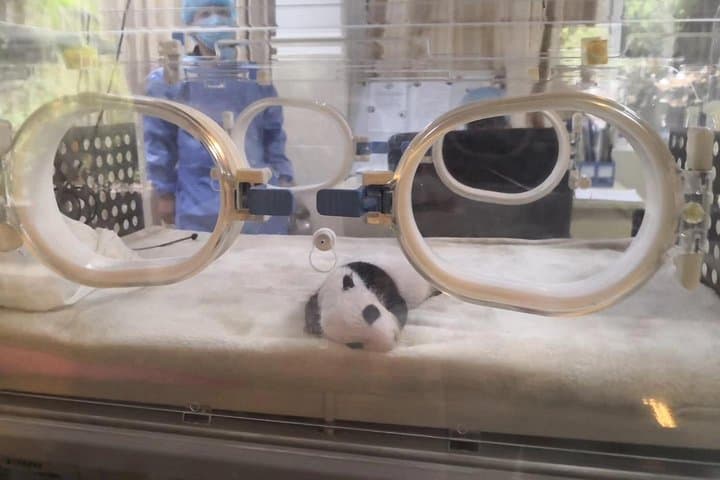
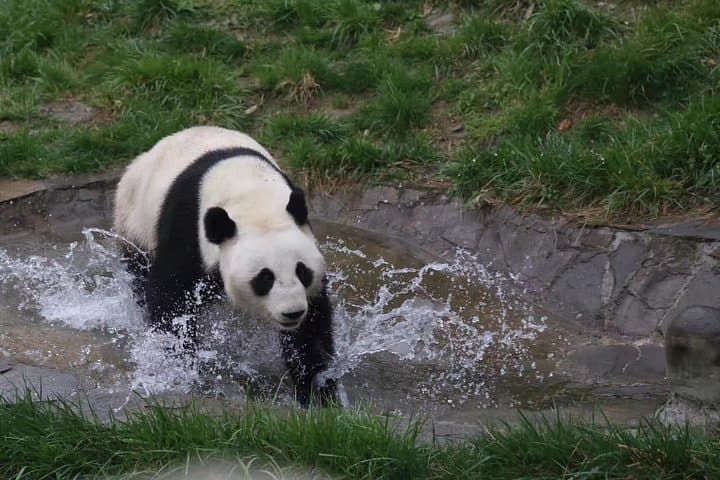
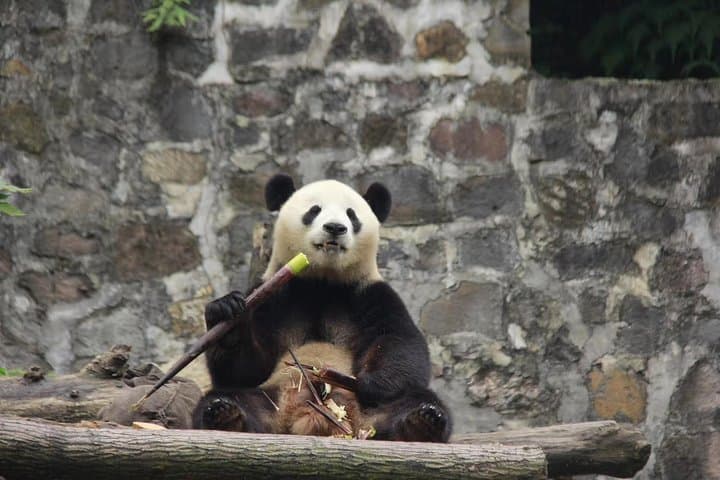

You walk through an avenue of bamboo that rustles like a crowd greeting a celebrity; the air is cool, damp and threaded with the faint scent of grass and animal fur. At the Chengdu Giant Panda Breeding Base the pandas move with a slow, deliberate curiosity — cubs tumbling in shaded enclosures, adults cradling bamboo like a private ritual. The most active hours are early morning, when keepers bring fresh shoots and the animals are at their most playful.
You walk through an avenue of bamboo that rustles like a crowd greeting a celebrity; the air is cool, damp and threaded with the faint scent of grass and animal fur. At the Chengdu Giant Panda Breeding Base the pandas move with a slow, deliberate curiosity — cubs tumbling in shaded enclosures, adults cradling bamboo like a private ritual. The most active hours are early morning, when keepers bring fresh shoots and the animals are at their most playful.
Opened in the late 1980s to coordinate captive breeding and research, the base blends modern enclosures with reconstructed native habitat across dozens of hectares. Geologically, the Sichuan Basin’s low hills create the gentle terrain; culturally, Chengdu’s long history of tea houses and relaxed urban life makes visiting a local ritual as much as a tourist stop. The site also houses educational exhibits about pandas’ evolutionary relationship with bamboo and regional conservation challenges.
Practicalities: reserve tickets in advance, especially in spring and national holidays — same-day entry is unlikely during peak season. Bring your passport for booking verification and arrive in the first hours after opening to see the most activity. Paths are mostly paved and wheelchair-accessible but can be crowded; allow two to four hours for a measured visit, longer if you plan to use interpretive displays or photography hides.
Respect distance rules around enclosures, keep voices low and avoid flash photography. By planning your timing and gear you’ll experience both the charm of China’s emblematic bear and a compact, well-run conservation campus that prioritizes animal welfare and public education.