THE ADVENTURE COLLECTIVE® · Independent discovery and booking for outdoor travel

Spend a full day in Sichuan watching active giant pandas at Chengdu Research Base before a scenic drive to Leshan to view the 71-meter Leshan Giant Buddha by boat. This private tour blends wildlife conservation with Tang-dynasty scale and local flavors.
Spend a full day in Sichuan watching active giant pandas at Chengdu Research Base before a scenic drive to Leshan to view the 71-meter Leshan Giant Buddha by boat. This private tour blends wildlife conservation with Tang-dynasty scale and local flavors.
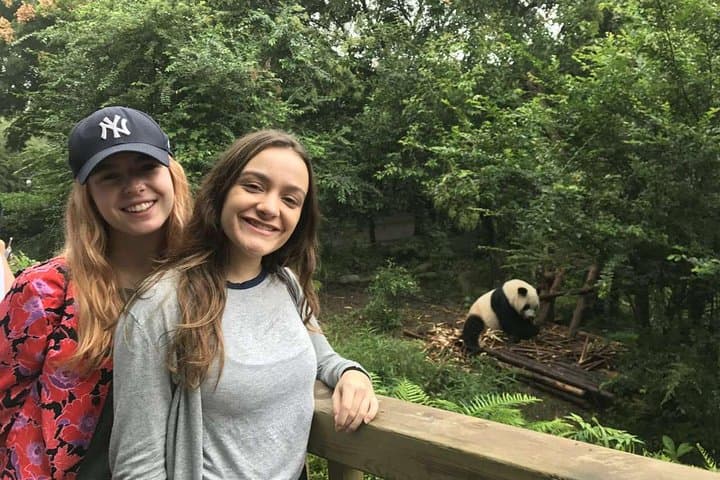
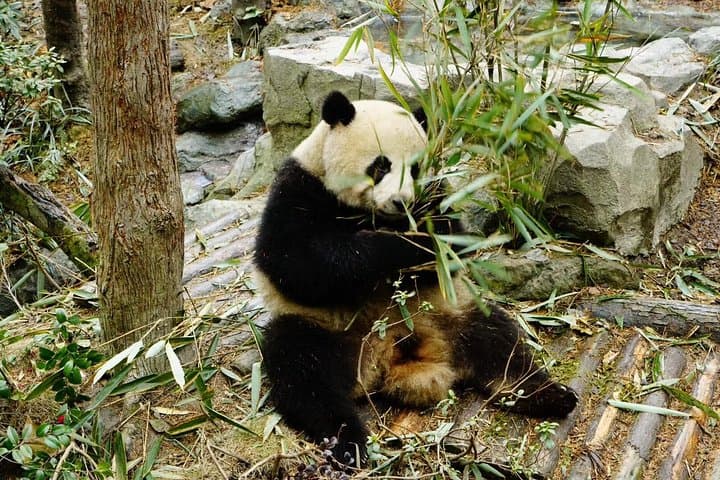
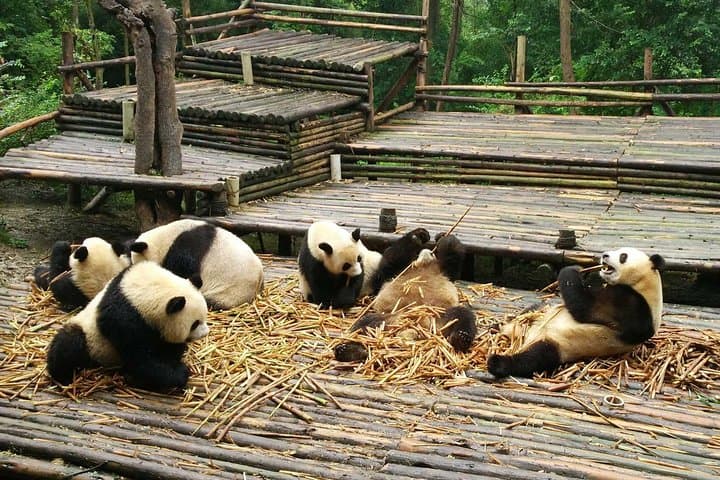
Morning light filters through bamboo at the Chengdu Research Base of Giant Panda, where sleepy cubs stir and adults methodically chew bamboo like small, furry engineers. You arrive early—guides time this visit to catch peak panda activity—then shift gears for a two-hour drive south to Leshan, where the river dares you to look away from the world's largest carved Buddha.
Verified experiences and guided adventures in the surrounding area.
Operated by Panda Discovery · Chengdu, Sichuan
Morning light filters through bamboo at the Chengdu Research Base of Giant Panda, where sleepy cubs stir and adults methodically chew bamboo like small, furry engineers. You arrive early—guides time this visit to catch peak panda activity—then shift gears for a two-hour drive south to Leshan, where the river dares you to look away from the world's largest carved Buddha.
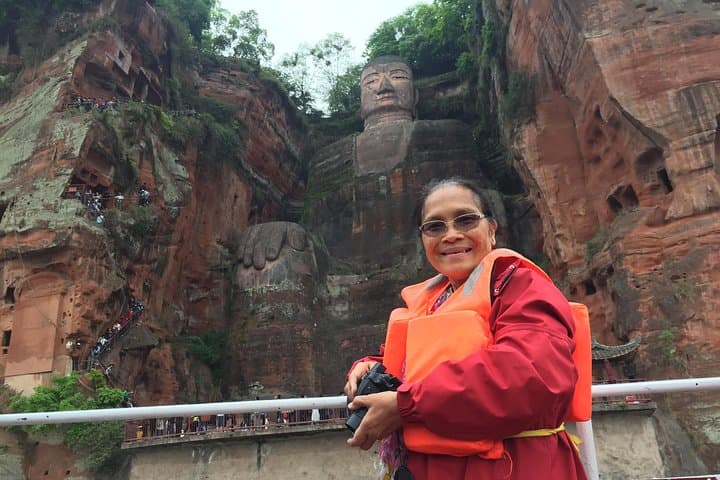
The day links living conservation and ancient craftsmanship. The Panda Base traces modern breeding and reintroduction research born from 1980s conservation crises, while the Leshan Giant Buddha, carved into red sandstone cliffs in the 8th century, reflects Tang dynasty engineering and a local wish to calm dangerous river currents.
Geology matters here: Chengdu’s basin is low and humid, ideal for bamboo growth; Leshan’s cliff is soft sandstone shaped by river erosion, which allowed sculptors to work large forms but requires ongoing conservation.
Expect a mix of short, flat boardwalks and paved enclosures at the base, then steep steps and uneven paths around the Buddha; a 20–30 minute boat ride offers the best complete view. Cultural touches include Sichuan lunch flavors—mild to numbing—and English-speaking guides who manage logistics and entrances.
Practical guidance: start early, bring layered clothing for river breezes, and wear good walking shoes with grip for stair sections. Hydrate between stops—the day is long (9–10 hours) but paced with drives and seated breaks. This is a full-day, low-technical but moderately physical cultural-wildlife excursion that rewards curious travelers with close animal encounters and an imposing piece of human history.
moderate.
9–10 hours.
Suitable for travelers in regular physical condition who can manage stairs and several short walks spread across the day
The transfer typically takes about 2 hours each way depending on traffic; the tour includes private vehicle transport.
Yes—entrance tickets for Chengdu Panda Base and Leshan Giant Buddha are included in the tour price.
Yes, but Leshan involves many stairs and some walking; consider mobility limits and request slower pacing or alternative viewpoints if needed.
Possibly—baby pandas are present seasonally; guides schedule the morning visit to increase chances of observing active youngsters.
The Leshan Giant Buddha was carved during the Tang dynasty (8th century) to calm river currents and demonstrate regional religious patronage; the Chengdu base grew from late 20th-century breeding programs addressing wild population declines.
Both sites emphasize protection: Chengdu focuses on breeding and reintroduction research, while Leshan’s sandstone requires regular restoration—visit responsibly and follow walkway rules to limit wear.
Panda Discovery operates guided outdoor trips and adventures with an emphasis on safety, stewardship, and memorable experiences.
Morning light filters through bamboo at the Chengdu Research Base of Giant Panda, where sleepy cubs stir and adults methodically chew bamboo like small, furry engineers. You arrive early—guides time this visit to catch peak panda activity—then shift gears for a two-hour drive south to Leshan, where the river dares you to look away from the world's largest carved Buddha.
Morning light filters through bamboo at the Chengdu Research Base of Giant Panda, where sleepy cubs stir and adults methodically chew bamboo like small, furry engineers. You arrive early—guides time this visit to catch peak panda activity—then shift gears for a two-hour drive south to Leshan, where the river dares you to look away from the world's largest carved Buddha.
The day links living conservation and ancient craftsmanship. The Panda Base traces modern breeding and reintroduction research born from 1980s conservation crises, while the Leshan Giant Buddha, carved into red sandstone cliffs in the 8th century, reflects Tang dynasty engineering and a local wish to calm dangerous river currents.
Geology matters here: Chengdu’s basin is low and humid, ideal for bamboo growth; Leshan’s cliff is soft sandstone shaped by river erosion, which allowed sculptors to work large forms but requires ongoing conservation.
Expect a mix of short, flat boardwalks and paved enclosures at the base, then steep steps and uneven paths around the Buddha; a 20–30 minute boat ride offers the best complete view. Cultural touches include Sichuan lunch flavors—mild to numbing—and English-speaking guides who manage logistics and entrances.
Practical guidance: start early, bring layered clothing for river breezes, and wear good walking shoes with grip for stair sections. Hydrate between stops—the day is long (9–10 hours) but paced with drives and seated breaks. This is a full-day, low-technical but moderately physical cultural-wildlife excursion that rewards curious travelers with close animal encounters and an imposing piece of human history.