THE ADVENTURE COLLECTIVE® · Independent discovery and booking for outdoor travel

Spend a day between two of Sichuan’s defining experiences: up-close time with giant pandas at Chengdu’s conservation center and a guided visit to the Leshan Giant Buddha, carved into a riverside cliff during the Tang dynasty. This private tour combines wildlife viewing with cultural and geological history.
Spend a day between two of Sichuan’s defining experiences: up-close time with giant pandas at Chengdu’s conservation center and a guided visit to the Leshan Giant Buddha, carved into a riverside cliff during the Tang dynasty. This private tour combines wildlife viewing with cultural and geological history.
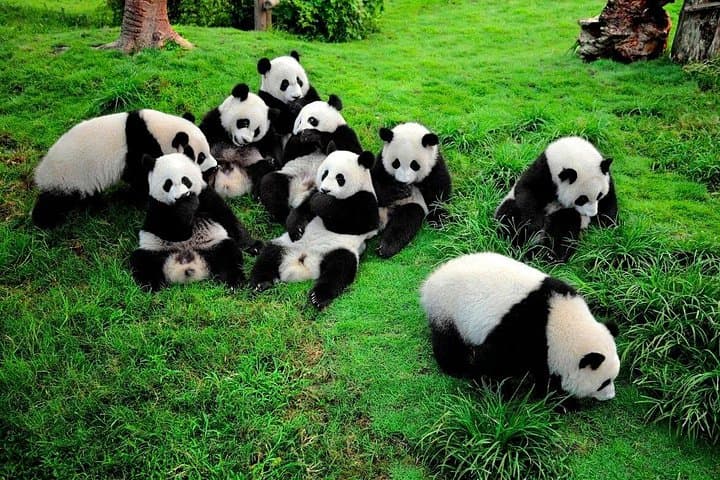
Morning light filters through bamboo leaves as you step into the Chengdu Research Base of Giant Panda Breeding—the air softens with the crunch of gravel and the occasional snuffle of a panda investigating its enclosure. For three hours the center stages a living progression: pink-skinned neonates in warming boxes, roly-poly juveniles wrestling with bamboo, and stately adults reclining like old philosophers chewing their lunch.
Verified experiences and guided adventures in the surrounding area.
Operated by Expats Holidays · Chengdu, Sichuan
Morning light filters through bamboo leaves as you step into the Chengdu Research Base of Giant Panda Breeding—the air softens with the crunch of gravel and the occasional snuffle of a panda investigating its enclosure. For three hours the center stages a living progression: pink-skinned neonates in warming boxes, roly-poly juveniles wrestling with bamboo, and stately adults reclining like old philosophers chewing their lunch.
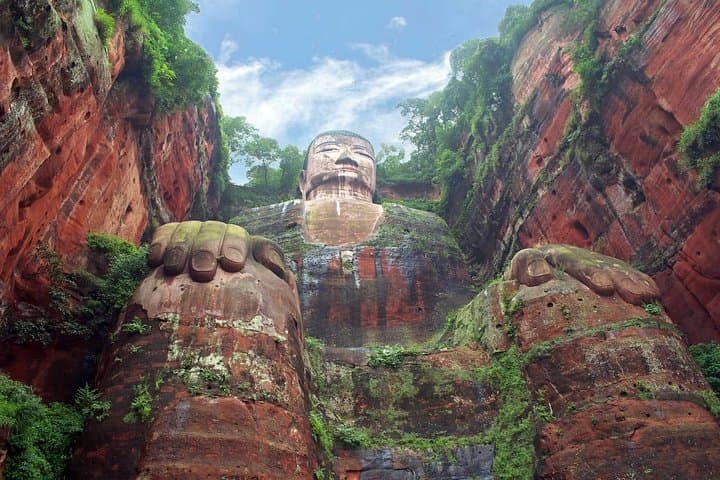
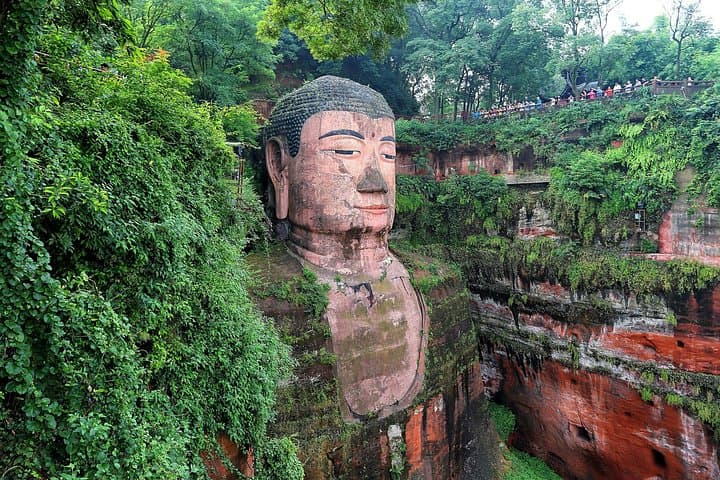
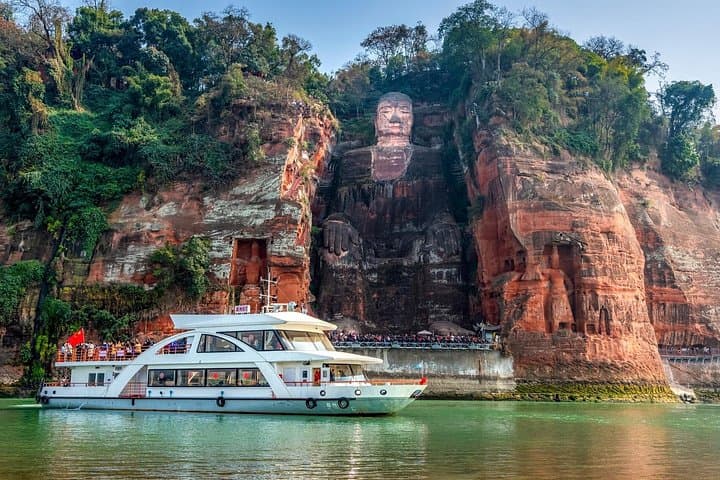
By midday you’ll cross Sichuan’s low hills toward Leshan, where the cliff-face pauses to present the world’s largest stone Buddha. Carved into a red-sandstone promontory during the Tang dynasty (construction recorded from 713–803), the 71-meter statue watches three rivers converge; local engineers originally intended the Buddha to calm the turbulent currents that imperiled passing boats.
The route blends urban wildlife conservation with ancient religious engineering—Chengdu’s slow tea-house culture and Sichuan cuisine flavor the logistics of the day. Geologically, Leshan’s sandstone and riverine erosion created the sheer surface that made the colossal carving possible; culturally, the site remains an active pilgrimage stop with a compact old town nearby.
Practical edge: expect about 8 hours total, with roughly two hours driving each way. Wear grippy walking shoes for the steep Lingyun plank road down to the Buddha’s feet and bring water, sun protection, and small cash for snacks and the optional boat cruise. Mornings are best for panda activity and softer light at the Buddha; pace your day to avoid the mid-afternoon heat. Follow park rules—no feeding or sudden movements around animals—and let your guide manage admissions and short queues so you can focus on the experience.
easy.
8 hours.
Light stamina for walking and stairs; suitable for most adults who can manage 10–20 minutes of stair descent/ascent.
The tour requires a minimum of two guests to book; solo travelers can join if they arrange a second participant or check for available shared departures.
No—the boat cruise is optional and available for an extra charge; let your operator know in advance if you want to add it.
Yes, the Chengdu Research Base is open year-round but some areas may close for animal care or weather; mornings are the best time to see active pandas.
Access involves steep stairways and uneven surfaces; visitors with significant mobility limitations should note the descent to the feet is not wheelchair-friendly, though top viewpoints are reachable by flatter paths.
The Leshan Giant Buddha was carved into a sandstone cliff during the Tang dynasty (beginning 713 AD) to calm river currents and protect boat traffic; its construction spanned decades.
The Chengdu Research Base focuses on captive breeding, research, and reintroduction programs—visitor fees support conservation work, and guests should follow no-feed and quiet rules to minimize stress on animals.
Expats Holidays operates guided outdoor trips and adventures with an emphasis on safety, stewardship, and memorable experiences.
Morning light filters through bamboo leaves as you step into the Chengdu Research Base of Giant Panda Breeding—the air softens with the crunch of gravel and the occasional snuffle of a panda investigating its enclosure. For three hours the center stages a living progression: pink-skinned neonates in warming boxes, roly-poly juveniles wrestling with bamboo, and stately adults reclining like old philosophers chewing their lunch.
Morning light filters through bamboo leaves as you step into the Chengdu Research Base of Giant Panda Breeding—the air softens with the crunch of gravel and the occasional snuffle of a panda investigating its enclosure. For three hours the center stages a living progression: pink-skinned neonates in warming boxes, roly-poly juveniles wrestling with bamboo, and stately adults reclining like old philosophers chewing their lunch.
By midday you’ll cross Sichuan’s low hills toward Leshan, where the cliff-face pauses to present the world’s largest stone Buddha. Carved into a red-sandstone promontory during the Tang dynasty (construction recorded from 713–803), the 71-meter statue watches three rivers converge; local engineers originally intended the Buddha to calm the turbulent currents that imperiled passing boats.
The route blends urban wildlife conservation with ancient religious engineering—Chengdu’s slow tea-house culture and Sichuan cuisine flavor the logistics of the day. Geologically, Leshan’s sandstone and riverine erosion created the sheer surface that made the colossal carving possible; culturally, the site remains an active pilgrimage stop with a compact old town nearby.
Practical edge: expect about 8 hours total, with roughly two hours driving each way. Wear grippy walking shoes for the steep Lingyun plank road down to the Buddha’s feet and bring water, sun protection, and small cash for snacks and the optional boat cruise. Mornings are best for panda activity and softer light at the Buddha; pace your day to avoid the mid-afternoon heat. Follow park rules—no feeding or sudden movements around animals—and let your guide manage admissions and short queues so you can focus on the experience.