THE ADVENTURE COLLECTIVE® · Independent discovery and booking for outdoor travel

This two-day loop from Chengdu pairs close encounters with giant pandas with the monumental Leshan Giant Buddha and the temple-clad slopes of Mount Emei. Expect early starts, steep steps, and a mix of wildlife conservation and centuries-old Buddhist culture.
This two-day loop from Chengdu pairs close encounters with giant pandas with the monumental Leshan Giant Buddha and the temple-clad slopes of Mount Emei. Expect early starts, steep steps, and a mix of wildlife conservation and centuries-old Buddhist culture.
You step out of the van and the air shifts—cooler under the panda base pines, humid and river-scented at Leshan, thin and incense-sweet on Emei’s slopes. Day one moves from the guarded calm of the Chengdu Panda Breeding Base, where bamboo stems rattle like a metronome around inquisitive bears, to the thunderous scale of the Leshan Giant Buddha carved into red-bed sandstone, facing the river currents below.
Verified experiences and guided adventures in the surrounding area.
Operated by pandachinago · Chengdu, Sichuan
You step out of the van and the air shifts—cooler under the panda base pines, humid and river-scented at Leshan, thin and incense-sweet on Emei’s slopes. Day one moves from the guarded calm of the Chengdu Panda Breeding Base, where bamboo stems rattle like a metronome around inquisitive bears, to the thunderous scale of the Leshan Giant Buddha carved into red-bed sandstone, facing the river currents below.
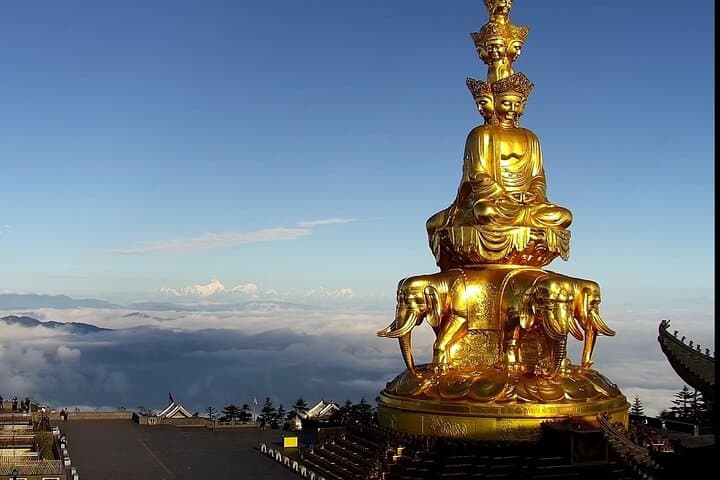
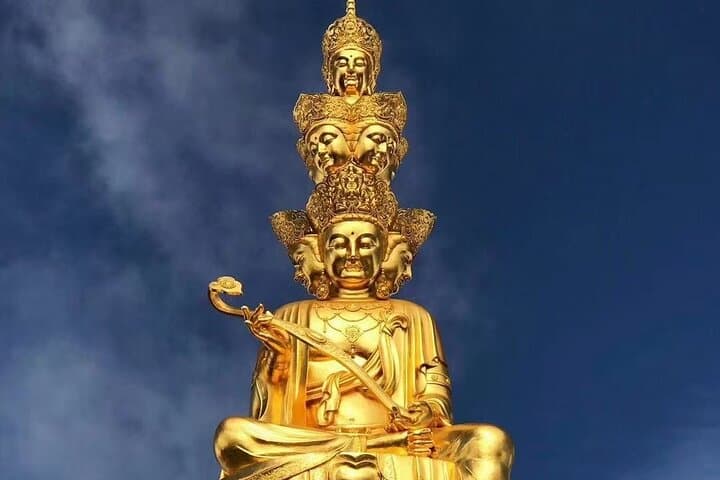
Both sites are steeped in long histories: the Leshan Buddha was carved in the Tang dynasty (713–803) to calm the river spirits that threatened shipping, while Mount Emei evolved over centuries into one of China’s Four Great Buddhist Mountains, its temples clustering into terraces and pavilions along steep ridgelines. Geologically, Emei rises from Permian and Triassic bedrock into cloud-wrapped granite peaks—expect damp trails, slick stone steps and sudden viewpoints.
Culturally, you’ll find monastic routine and tourist bustle side-by-side: monks ringing bells at dawn, vendors selling steamed buns along path junctions. Practicalities matter—plan early starts to catch pandas at feeding time and to avoid midday crowds at Leshan; aim for the cable car on Emei if stairs are a concern.
Bring sturdy shoes for stairs and uneven cliff paths, a rain shell for mountain mists, and small local currency for temple donations and snacks. Hydrate between attractions—the itinerary is full and moves at a steady pace. Respect signage at wildlife and temple sites: stay on paths, keep noise low, and follow guide directions for a smoother, more responsible two-day dive into Sichuan’s living history.
moderate.
2 days.
Moderate fitness—able to handle multiple stair sections, short hikes and several hours on your feet each day
This tour’s price often covers transportation and guide services; check the booking details—site entrance fees may be separate.
Emei involves long walking and many steps; you can use the cable car to reduce difficulty, but expect several hours of on-foot exploration.
Both—there’s a riverside viewing platform reached by steps and a popular boat option that shows the Buddha from the water for a different perspective.
Yes—many temple-area vendors and local restaurants offer vegetarian dishes aligned with Buddhist dietary customs; always check ingredients if you have strict dietary needs.
Leshan’s cliff-carved Buddha was created during the Tang dynasty to protect boats from treacherous currents; Mount Emei has served as a Buddhist pilgrimage center for over a thousand years.
The Chengdu Panda Base focuses on captive breeding and research—visitors should follow strict viewing rules to reduce stress on animals; at natural sites, stick to marked paths to limit erosion and disturbance.
pandachinago operates guided outdoor trips and adventures with an emphasis on safety, stewardship, and memorable experiences.


You step out of the van and the air shifts—cooler under the panda base pines, humid and river-scented at Leshan, thin and incense-sweet on Emei’s slopes. Day one moves from the guarded calm of the Chengdu Panda Breeding Base, where bamboo stems rattle like a metronome around inquisitive bears, to the thunderous scale of the Leshan Giant Buddha carved into red-bed sandstone, facing the river currents below.
You step out of the van and the air shifts—cooler under the panda base pines, humid and river-scented at Leshan, thin and incense-sweet on Emei’s slopes. Day one moves from the guarded calm of the Chengdu Panda Breeding Base, where bamboo stems rattle like a metronome around inquisitive bears, to the thunderous scale of the Leshan Giant Buddha carved into red-bed sandstone, facing the river currents below.
Both sites are steeped in long histories: the Leshan Buddha was carved in the Tang dynasty (713–803) to calm the river spirits that threatened shipping, while Mount Emei evolved over centuries into one of China’s Four Great Buddhist Mountains, its temples clustering into terraces and pavilions along steep ridgelines. Geologically, Emei rises from Permian and Triassic bedrock into cloud-wrapped granite peaks—expect damp trails, slick stone steps and sudden viewpoints.
Culturally, you’ll find monastic routine and tourist bustle side-by-side: monks ringing bells at dawn, vendors selling steamed buns along path junctions. Practicalities matter—plan early starts to catch pandas at feeding time and to avoid midday crowds at Leshan; aim for the cable car on Emei if stairs are a concern.
Bring sturdy shoes for stairs and uneven cliff paths, a rain shell for mountain mists, and small local currency for temple donations and snacks. Hydrate between attractions—the itinerary is full and moves at a steady pace. Respect signage at wildlife and temple sites: stay on paths, keep noise low, and follow guide directions for a smoother, more responsible two-day dive into Sichuan’s living history.