THE ADVENTURE COLLECTIVE® · Independent discovery and booking for outdoor travel

Spend a half-day in Chengdu moving from a bustling spice market to a quiet courtyard kitchen where a chef teaches you to make baozi by hand. Learn local spices, enjoy Sichuan tea, and eat the buns you steam yourself.
Spend a half-day in Chengdu moving from a bustling spice market to a quiet courtyard kitchen where a chef teaches you to make baozi by hand. Learn local spices, enjoy Sichuan tea, and eat the buns you steam yourself.
You step off a narrow lane into a burst of smoke, chilies and citrus—the spice market in Chengdu pushing aromas at you like a dare. Stall owners lift sacks of sichuan pepper, star anise and dried chilies while woven baskets clatter; later, a slow courtyard invites you to sit with a steaming cup of local tea and watch a chef shape dough with calm precision.
Verified experiences and guided adventures in the surrounding area.
Operated by Chilli Cool China · Chengdu, Sichuan
You step off a narrow lane into a burst of smoke, chilies and citrus—the spice market in Chengdu pushing aromas at you like a dare. Stall owners lift sacks of sichuan pepper, star anise and dried chilies while woven baskets clatter; later, a slow courtyard invites you to sit with a steaming cup of local tea and watch a chef shape dough with calm precision.
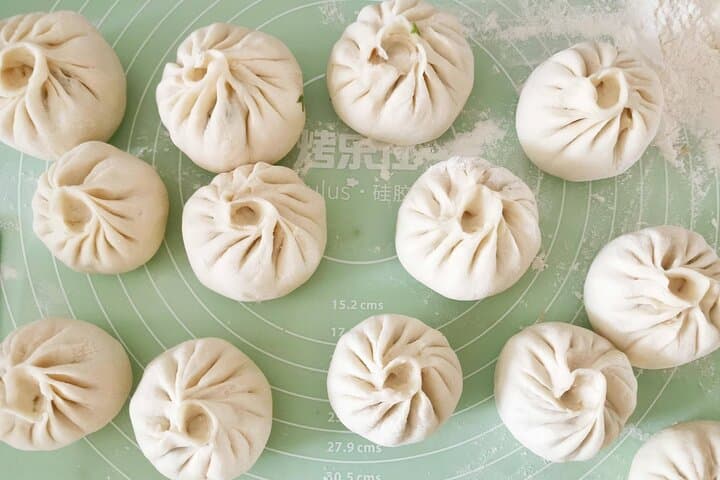
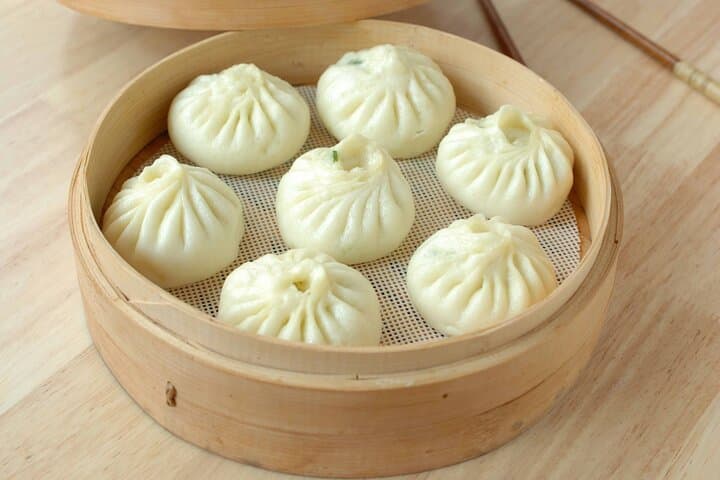
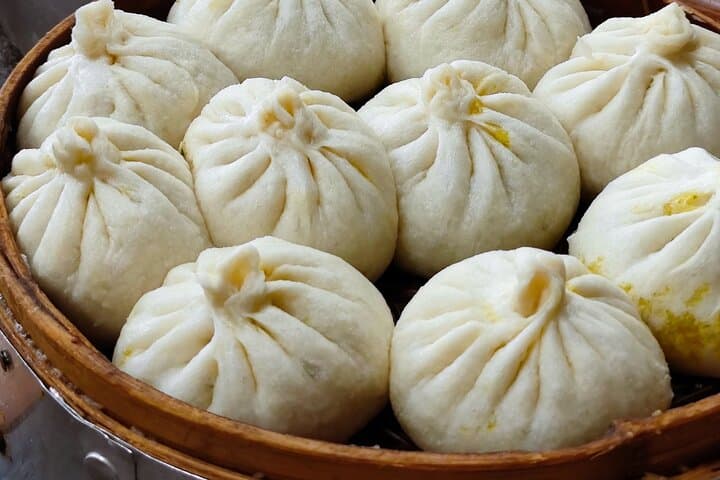
Baozi are simple by design but rich in history: these stuffed steamed buns have roots in northern China and were adapted through regional fillings and techniques as they traveled south. In Sichuan, fillings lean savory and aromatic—pork, preserved vegetables, or vegetarian twists—tempered by the cool, damp air of the Chengdu basin that historically supported abundant grain and spice trade. The workshop moves from market stalls to a traditional Sichuan courtyard kitchen, where hands-on instruction covers dough texture, pleating, and timing at the steamer.
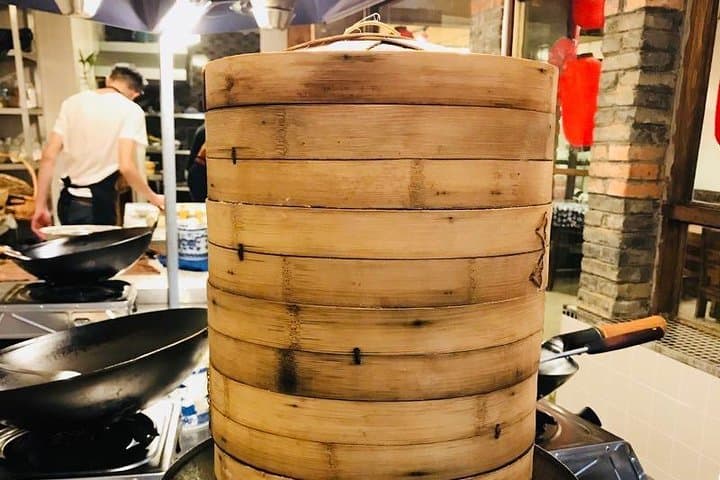
Expect a practical, sensory session: a guided market loop with short challenges to identify spices, a tea ceremony that explains local drinking customs, then 90–120 minutes of hands-on bao making and steaming. The session ends with tasting your creations alongside a soft drink or beer; instructors will adapt recipes for dietary needs when told in advance.
Practical tips: bring a sense of curiosity, wear comfortable shoes for the market walk, and carry any dietary restrictions and passport details as required. The class runs in all weather—arrive hydrated and with a light appetite; you’ll leave with techniques you can replicate and a clearer taste for Sichuan’s bold culinary identity.
easy.
4–5 hours.
Light activity; mostly standing and short walking during the market portion—no special fitness required
The full experience runs about 4–5 hours, combining a guided market walk, tea time, and hands-on bao making.
Yes—vegetarian fillings are available but you must request them at the time of booking to ensure proper ingredients.
Minimum age is 5; younger children should be supervised and may find the market portion crowded.
Bring comfortable shoes, any required passport information for booking, and note any dietary restrictions in advance.
Baozi likely evolved from northern steamed bun traditions and were adapted regionally; Chengdu’s role as a spice-trade hub influenced local fillings and flavor profiles.
Support vendors who source ingredients locally and minimize single-use plastics; ask your host how food waste is handled and avoid over-ordering when sampling.
Chilli Cool China operates guided outdoor trips and adventures with an emphasis on safety, stewardship, and memorable experiences.
You step off a narrow lane into a burst of smoke, chilies and citrus—the spice market in Chengdu pushing aromas at you like a dare. Stall owners lift sacks of sichuan pepper, star anise and dried chilies while woven baskets clatter; later, a slow courtyard invites you to sit with a steaming cup of local tea and watch a chef shape dough with calm precision.
You step off a narrow lane into a burst of smoke, chilies and citrus—the spice market in Chengdu pushing aromas at you like a dare. Stall owners lift sacks of sichuan pepper, star anise and dried chilies while woven baskets clatter; later, a slow courtyard invites you to sit with a steaming cup of local tea and watch a chef shape dough with calm precision.
Baozi are simple by design but rich in history: these stuffed steamed buns have roots in northern China and were adapted through regional fillings and techniques as they traveled south. In Sichuan, fillings lean savory and aromatic—pork, preserved vegetables, or vegetarian twists—tempered by the cool, damp air of the Chengdu basin that historically supported abundant grain and spice trade. The workshop moves from market stalls to a traditional Sichuan courtyard kitchen, where hands-on instruction covers dough texture, pleating, and timing at the steamer.
Expect a practical, sensory session: a guided market loop with short challenges to identify spices, a tea ceremony that explains local drinking customs, then 90–120 minutes of hands-on bao making and steaming. The session ends with tasting your creations alongside a soft drink or beer; instructors will adapt recipes for dietary needs when told in advance.
Practical tips: bring a sense of curiosity, wear comfortable shoes for the market walk, and carry any dietary restrictions and passport details as required. The class runs in all weather—arrive hydrated and with a light appetite; you’ll leave with techniques you can replicate and a clearer taste for Sichuan’s bold culinary identity.