THE ADVENTURE COLLECTIVE® · Independent discovery and booking for outdoor travel

Taste Chengdu’s world-class Sichuan cuisine, visit pandas at the research base, pick tea in terraced fields, and stand beneath Leshan’s riverside Giant Buddha on this inclusive 4-day cultural itinerary. All meals, transport and 5-star lodging are included for a streamlined culinary adventure.
Taste Chengdu’s world-class Sichuan cuisine, visit pandas at the research base, pick tea in terraced fields, and stand beneath Leshan’s riverside Giant Buddha on this inclusive 4-day cultural itinerary. All meals, transport and 5-star lodging are included for a streamlined culinary adventure.
Dawn in Chengdu smells of frying oil, boiling broth and roasting tea leaves—street stalls opening, tuk-tuks threading between alleys, and the city’s famous tea houses drawing a steady stream of locals. The first morning can begin with the cubs at the Chengdu Research Base, where bamboo piles and sleepy giants set the tone for a trip that moves between urban markets and green terraces.
Verified experiences and guided adventures in the surrounding area.
Operated by Lost Plate · Chengdu, Sichuan
Dawn in Chengdu smells of frying oil, boiling broth and roasting tea leaves—street stalls opening, tuk-tuks threading between alleys, and the city’s famous tea houses drawing a steady stream of locals. The first morning can begin with the cubs at the Chengdu Research Base, where bamboo piles and sleepy giants set the tone for a trip that moves between urban markets and green terraces.
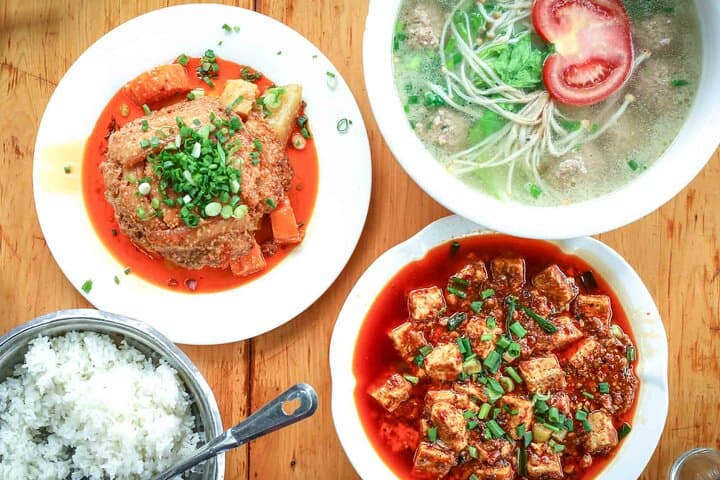
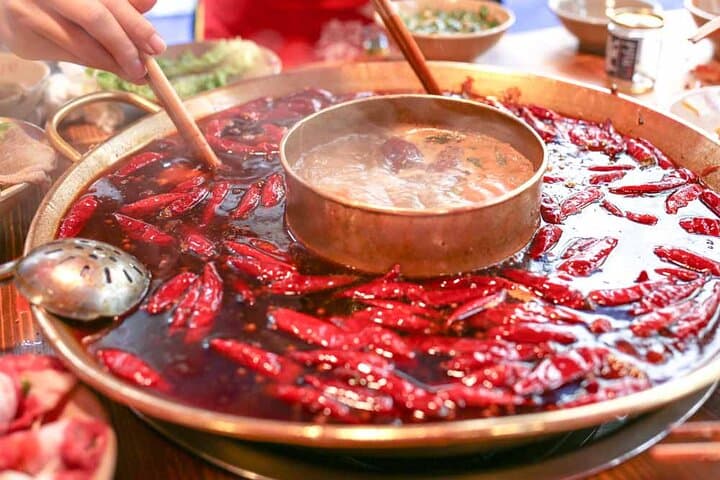
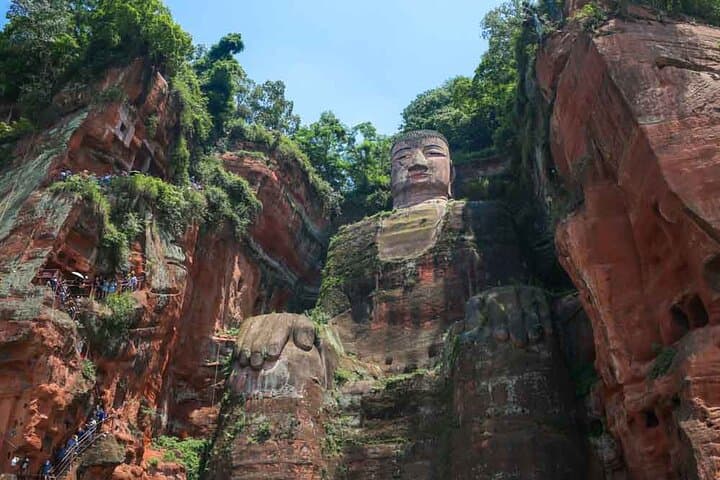
Sichuan sits on a fertile basin carved by the Minjiang and its tributaries; Leshan’s 71-meter Buddha was hewn from the cliff where rivers once threatened trade routes, and the local hotpot grew from a need to celebrate bold flavors in cold, humid air. Chengdu has been an UNESCO City of Gastronomy for its peppercorn-sour-spicy balance, while nearby tea farms show generations of leaf cultivation and hand-roasting techniques.
Over four days you'll thread Wide and Narrow Alley for snacks, ride out to terraced tea fields to pick and roast leaves by hand, and trace cultural craft at a fabric-dye studio before arriving at Leshan to view the rivers daring you below the carved Buddha.
Practical guidance: the itinerary is low-impact walking—expect short urban strolls, steps at temple viewpoints, and easy country paths. Arrive with comfortable walking shoes, light layers for humid days and cooler evenings, and tolerance for spicy food. Mornings are best for pandas and cooler tea-field work; bring a reusable water bottle and any dietary notes in advance. The trip includes ground transport, three nights of 5-star lodging, most meals, entrance fees and an English-speaking guide—plan to move at a steady but relaxed cultural pace.
easy.
4 days.
Suitable for travelers of most fitness levels; requires short urban walks, some steps and easy country walking.
Yes—this itinerary lists private ground transportation, entrance fees for included attractions, and transfers as part of the package.
Guides can accommodate many restrictions but you must list allergies and requests at booking so restaurants can be notified in advance.
The trip is classified as easy with short walks, steps at viewpoints and gentle countryside paths—no specialized fitness required.
Early morning at the Chengdu Research Base, around opening hours, gives the best chance to see pandas feeding and moving.
Chengdu's culinary reputation grew from regional trade and Sichuan's fertile basin; the Leshan Giant Buddha was carved in the Tang dynasty to calm dangerous river currents that hindered river traffic.
The Chengdu Research Base focuses on captive-breeding and reintroduction programs for pandas; visitors should follow guidelines to minimize disturbance and avoid feeding or touching wildlife.
Lost Plate operates guided outdoor trips and adventures with an emphasis on safety, stewardship, and memorable experiences.
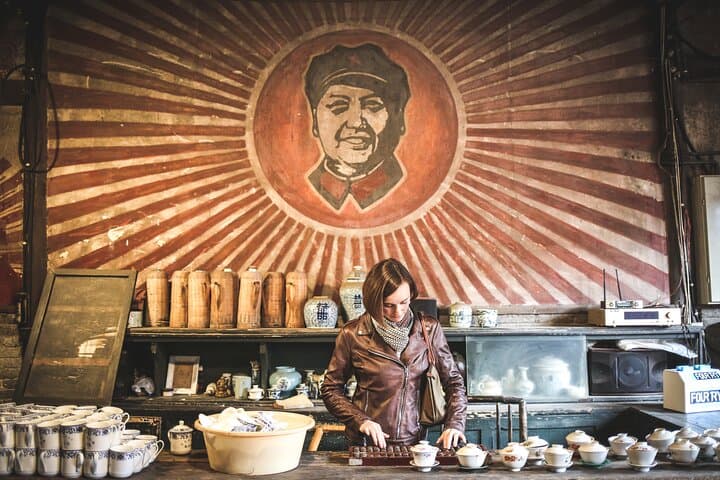
Dawn in Chengdu smells of frying oil, boiling broth and roasting tea leaves—street stalls opening, tuk-tuks threading between alleys, and the city’s famous tea houses drawing a steady stream of locals. The first morning can begin with the cubs at the Chengdu Research Base, where bamboo piles and sleepy giants set the tone for a trip that moves between urban markets and green terraces.
Dawn in Chengdu smells of frying oil, boiling broth and roasting tea leaves—street stalls opening, tuk-tuks threading between alleys, and the city’s famous tea houses drawing a steady stream of locals. The first morning can begin with the cubs at the Chengdu Research Base, where bamboo piles and sleepy giants set the tone for a trip that moves between urban markets and green terraces.
Sichuan sits on a fertile basin carved by the Minjiang and its tributaries; Leshan’s 71-meter Buddha was hewn from the cliff where rivers once threatened trade routes, and the local hotpot grew from a need to celebrate bold flavors in cold, humid air. Chengdu has been an UNESCO City of Gastronomy for its peppercorn-sour-spicy balance, while nearby tea farms show generations of leaf cultivation and hand-roasting techniques.
Over four days you'll thread Wide and Narrow Alley for snacks, ride out to terraced tea fields to pick and roast leaves by hand, and trace cultural craft at a fabric-dye studio before arriving at Leshan to view the rivers daring you below the carved Buddha.
Practical guidance: the itinerary is low-impact walking—expect short urban strolls, steps at temple viewpoints, and easy country paths. Arrive with comfortable walking shoes, light layers for humid days and cooler evenings, and tolerance for spicy food. Mornings are best for pandas and cooler tea-field work; bring a reusable water bottle and any dietary notes in advance. The trip includes ground transport, three nights of 5-star lodging, most meals, entrance fees and an English-speaking guide—plan to move at a steady but relaxed cultural pace.