THE ADVENTURE COLLECTIVE® · Independent discovery and booking for outdoor travel

A short drive from Moshi, Chemka (Kikuletwa) Hot Springs offers clear, warm waters under the shade of fig roots—ideal for a restorative swim surrounded by Kilimanjaro’s foothill country. This guide covers what to expect and how to plan a seamless half-day escape.
A short drive from Moshi, Chemka (Kikuletwa) Hot Springs offers clear, warm waters under the shade of fig roots—ideal for a restorative swim surrounded by Kilimanjaro’s foothill country. This guide covers what to expect and how to plan a seamless half-day escape.
You arrive on a dirt turnoff and immediately the heat of the plain gives way to a cool, cobalt pool framed by the spreading roots of fig trees. The water looks impossible—clear, blue, and shallow at the edges—inviting a slow, deliberate step into a warm spring that seems to hold the landscape in suspension.
Verified experiences and guided adventures in the surrounding area.
Operated by Moana Tanzania · Moshi, Kilimanjaro Region
You arrive on a dirt turnoff and immediately the heat of the plain gives way to a cool, cobalt pool framed by the spreading roots of fig trees. The water looks impossible—clear, blue, and shallow at the edges—inviting a slow, deliberate step into a warm spring that seems to hold the landscape in suspension.
Chemka, also called Kikuletwa, sits on the leeward side of Mount Kilimanjaro’s foothills. Geologically the springs are fed by underground aquifers and fissures in volcanic tuff; water percolates through porous rock and surfaces here as steady, pleasantly warm flows. Culturally, local villages have long used the springs for washing and small-scale irrigation, and the site now supports modest tourism and picnic areas run by nearby communities.
On a day trip from Moshi (about 1.5–2 hours each way) expect a drive through acacia-studded savanna, small farms, and occasional baobab trees. At the spring itself you can swim, snorkel in waist-deep clarity, or relax on shady banks while local vendors sell refreshments. There’s often a rope swing and small fish that nibble at your toes—playful details rather than hazards.
Practically: bring a swimsuit, water shoes, and cash for tips or small purchases. The operator typically includes private transport and lunch; wear reef-style footwear to protect against slippery roots and river stones, and carry a light dry bag for phones and cameras. Respect posted rules—no soap in the spring—and time your visit for mid-morning or late afternoon to avoid midday sun and crowds.
easy.
5 hours (door-to-door).
Suitable for most fitness levels; minimal walking and easy swimming required
Most operators estimate 1.5–2 hours each way depending on traffic and pickup location—plan a full 4–6 hour round trip including time at the springs.
No—the flow is warm and comfortable rather than scalding; temperatures feel like a heated pool rather than a thermal vent.
Yes; basic changing areas and picnic spots are available and many tours include lunch, though bringing small change for snacks and drinks is wise.
Yes—conditions are suitable for children but supervision is required since there’s no lifeguard and edges can be slippery.
The springs arise from volcanic aquifers in the Kilimanjaro foothills; local communities historically used them for bathing and irrigation before tourism developed.
Respect no-soap rules and pack out plastic—visitors' fees and purchases often support local upkeep, so minimizing litter helps preserve the pool’s clarity.
Moana Tanzania operates guided outdoor trips and adventures with an emphasis on safety, stewardship, and memorable experiences.
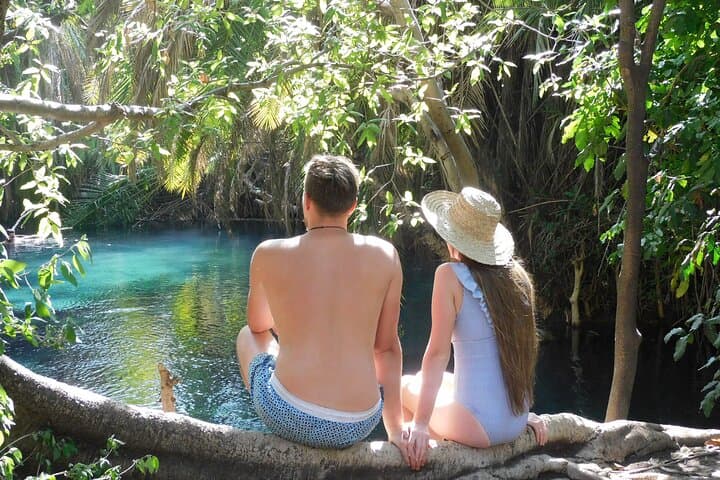
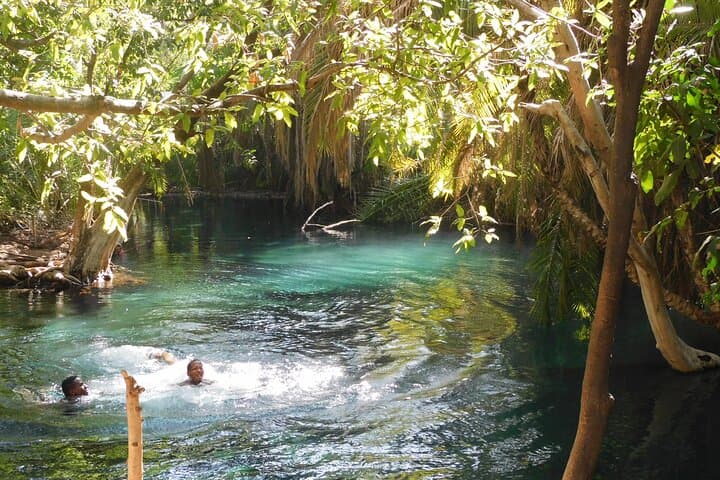
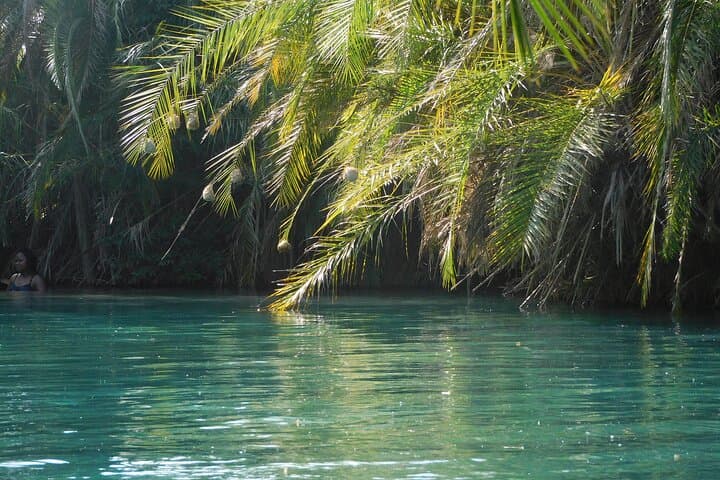
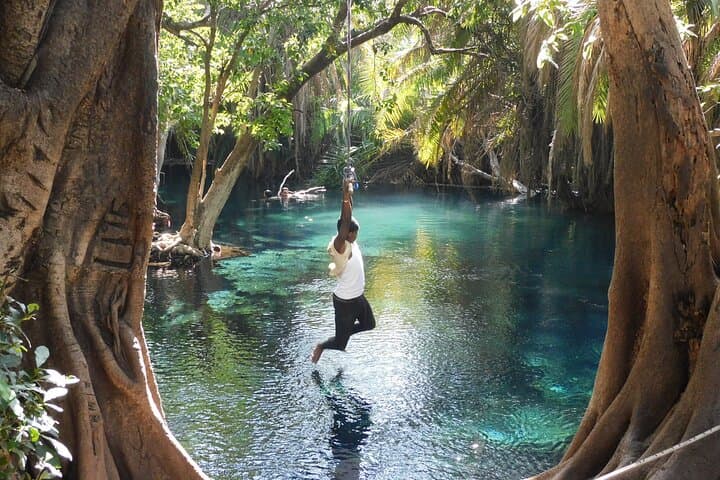
You arrive on a dirt turnoff and immediately the heat of the plain gives way to a cool, cobalt pool framed by the spreading roots of fig trees. The water looks impossible—clear, blue, and shallow at the edges—inviting a slow, deliberate step into a warm spring that seems to hold the landscape in suspension.
You arrive on a dirt turnoff and immediately the heat of the plain gives way to a cool, cobalt pool framed by the spreading roots of fig trees. The water looks impossible—clear, blue, and shallow at the edges—inviting a slow, deliberate step into a warm spring that seems to hold the landscape in suspension.
Chemka, also called Kikuletwa, sits on the leeward side of Mount Kilimanjaro’s foothills. Geologically the springs are fed by underground aquifers and fissures in volcanic tuff; water percolates through porous rock and surfaces here as steady, pleasantly warm flows. Culturally, local villages have long used the springs for washing and small-scale irrigation, and the site now supports modest tourism and picnic areas run by nearby communities.
On a day trip from Moshi (about 1.5–2 hours each way) expect a drive through acacia-studded savanna, small farms, and occasional baobab trees. At the spring itself you can swim, snorkel in waist-deep clarity, or relax on shady banks while local vendors sell refreshments. There’s often a rope swing and small fish that nibble at your toes—playful details rather than hazards.
Practically: bring a swimsuit, water shoes, and cash for tips or small purchases. The operator typically includes private transport and lunch; wear reef-style footwear to protect against slippery roots and river stones, and carry a light dry bag for phones and cameras. Respect posted rules—no soap in the spring—and time your visit for mid-morning or late afternoon to avoid midday sun and crowds.