THE ADVENTURE COLLECTIVE® · Independent discovery and booking for outdoor travel

A short drive from Arusha, Chemka (Kikuletwa) Hot Springs offers warm, turquoise waters, rope swings, and shaded picnic banks. This guide explains what to expect, the site’s geology and culture, and practical tips to make the most of a day trip.
A short drive from Arusha, Chemka (Kikuletwa) Hot Springs offers warm, turquoise waters, rope swings, and shaded picnic banks. This guide explains what to expect, the site’s geology and culture, and practical tips to make the most of a day trip.
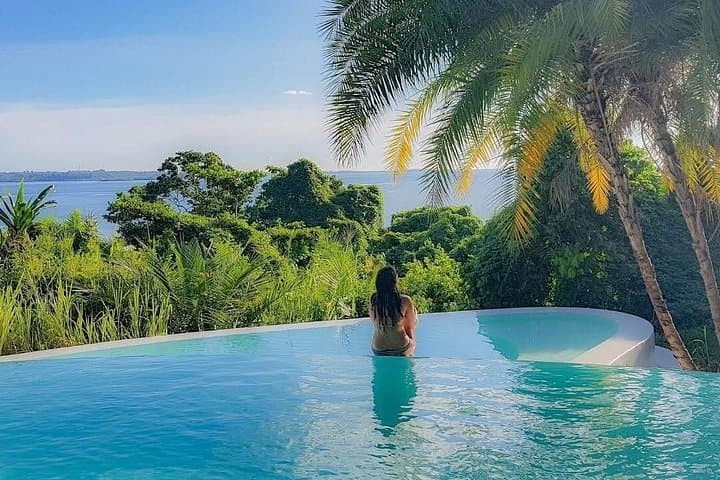
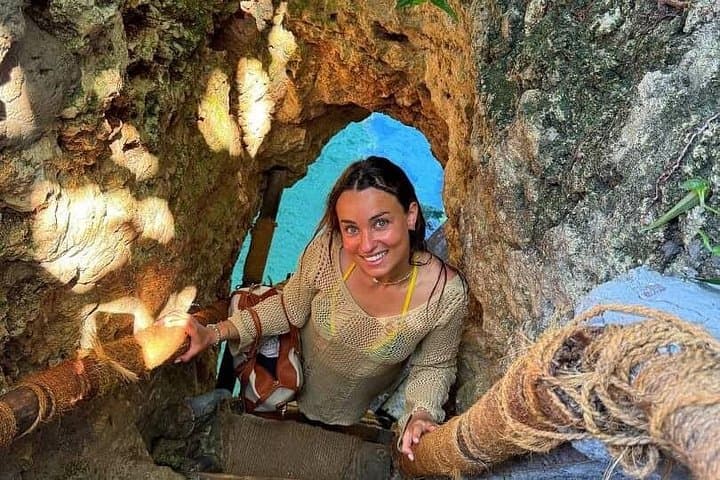
You emerge from the car into a pocket of warm air and the constant hiss of a spring that seems to breathe. Twisting fig and acacia shade a clear, turquoise pool; local kids laugh from rope swings while the current nudges you toward shallower edges where families soak and photographers chase light. This is Chemka — Kikuletwa Hot Springs — a geothermal oasis reached by a scenic drive across northern Tanzania’s patchwork of farms and open savanna.
Verified experiences and guided adventures in the surrounding area.
Operated by Explore Green Africa Safaris · Arusha, Arusha Region
You emerge from the car into a pocket of warm air and the constant hiss of a spring that seems to breathe. Twisting fig and acacia shade a clear, turquoise pool; local kids laugh from rope swings while the current nudges you toward shallower edges where families soak and photographers chase light. This is Chemka — Kikuletwa Hot Springs — a geothermal oasis reached by a scenic drive across northern Tanzania’s patchwork of farms and open savanna.
Geologically the spring is fed by underground volcanic heat that warms groundwater before it surfaces through limestone and alluvial deposits, producing steady, warm flows rather than boiling vents. The surrounding land reflects local history: small U-shaped villages and farmland that belong to Maa and Meru communities and to the broader Northern Tanzania mosaic of cultures. Onsite, simple picnic spots and informal vendors offer a glimpse of rural life; the area has been a local bathing and gathering place long before it became a day-trip destination.
Practically, expect a 1–2 hour drive from Arusha or Moshi, a short shaded walk from the parking area, and several hours of swimming, sunning, or rope-swinging. Bring reef-safe sunscreen, a quick-dry towel, and cash for small purchases — though most tours include park fees and a boxed lunch. Wear supportive sandals for uneven, sometimes muddy banks and plan your visit in the morning or late afternoon to avoid the hottest midday sun and local crowds. Respect marked areas, pack out trash, and leave the spring as you found it so Chemka continues to welcome locals and travelers alike.
easy.
6–10 hours.
Suitable for most fitness levels; requires only short walks and swimming ability for those who want to enter the water.
Expect about 1–2 hours each way depending on traffic and your pickup point; many tours combine hotel pickup and drop-off.
No — the spring is warm and comfortably bath-like due to geothermal heating, not boiling; it is safe for swimming in designated areas.
There are basic facilities and local vendors; many tours include a boxed lunch, but bring small change if you want snacks or drinks from sellers.
Families with children commonly visit and the general area is accessible, but some banks and entry points are uneven—check with your operator about specific accessibility needs.
Local communities have used the spring as a bathing and gathering site for generations; recent tourism grew as road access improved in the 2000s.
The spring’s flow depends on clean groundwater; visitors are encouraged to use reef-safe products, minimize plastic, and follow park rules to protect water quality.
Explore Green Africa Safaris operates guided outdoor trips and adventures with an emphasis on safety, stewardship, and memorable experiences.

You emerge from the car into a pocket of warm air and the constant hiss of a spring that seems to breathe. Twisting fig and acacia shade a clear, turquoise pool; local kids laugh from rope swings while the current nudges you toward shallower edges where families soak and photographers chase light. This is Chemka — Kikuletwa Hot Springs — a geothermal oasis reached by a scenic drive across northern Tanzania’s patchwork of farms and open savanna.
You emerge from the car into a pocket of warm air and the constant hiss of a spring that seems to breathe. Twisting fig and acacia shade a clear, turquoise pool; local kids laugh from rope swings while the current nudges you toward shallower edges where families soak and photographers chase light. This is Chemka — Kikuletwa Hot Springs — a geothermal oasis reached by a scenic drive across northern Tanzania’s patchwork of farms and open savanna.
Geologically the spring is fed by underground volcanic heat that warms groundwater before it surfaces through limestone and alluvial deposits, producing steady, warm flows rather than boiling vents. The surrounding land reflects local history: small U-shaped villages and farmland that belong to Maa and Meru communities and to the broader Northern Tanzania mosaic of cultures. Onsite, simple picnic spots and informal vendors offer a glimpse of rural life; the area has been a local bathing and gathering place long before it became a day-trip destination.
Practically, expect a 1–2 hour drive from Arusha or Moshi, a short shaded walk from the parking area, and several hours of swimming, sunning, or rope-swinging. Bring reef-safe sunscreen, a quick-dry towel, and cash for small purchases — though most tours include park fees and a boxed lunch. Wear supportive sandals for uneven, sometimes muddy banks and plan your visit in the morning or late afternoon to avoid the hottest midday sun and local crowds. Respect marked areas, pack out trash, and leave the spring as you found it so Chemka continues to welcome locals and travelers alike.