THE ADVENTURE COLLECTIVE® · Independent discovery and booking for outdoor travel

Walk the High Line and Chelsea with an award-winning guide who reads buildings like books. This two-hour tour pairs contemporary architecture and gallery visits with neighborhood history and practical tips for getting the most from Chelsea’s cultural scene.
Walk the High Line and Chelsea with an award-winning guide who reads buildings like books. This two-hour tour pairs contemporary architecture and gallery visits with neighborhood history and practical tips for getting the most from Chelsea’s cultural scene.
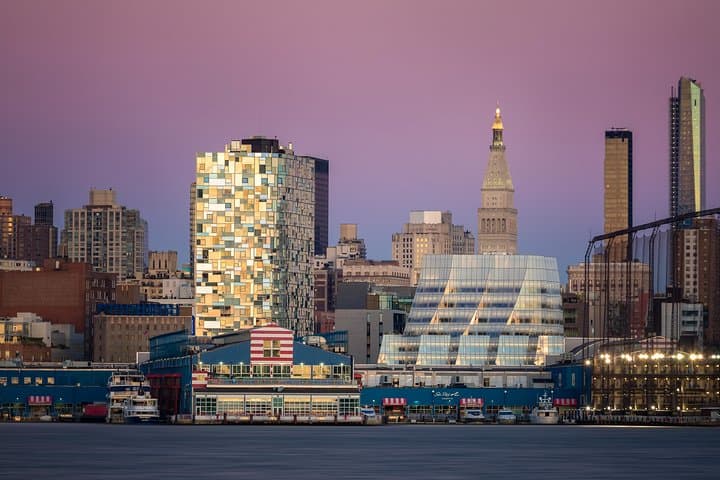
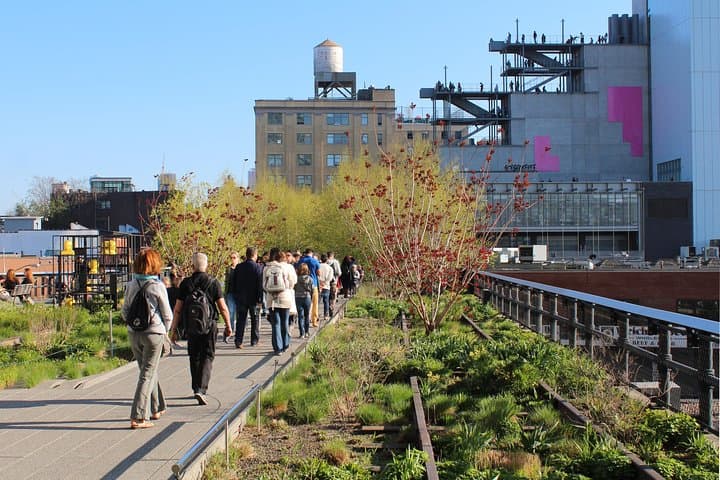
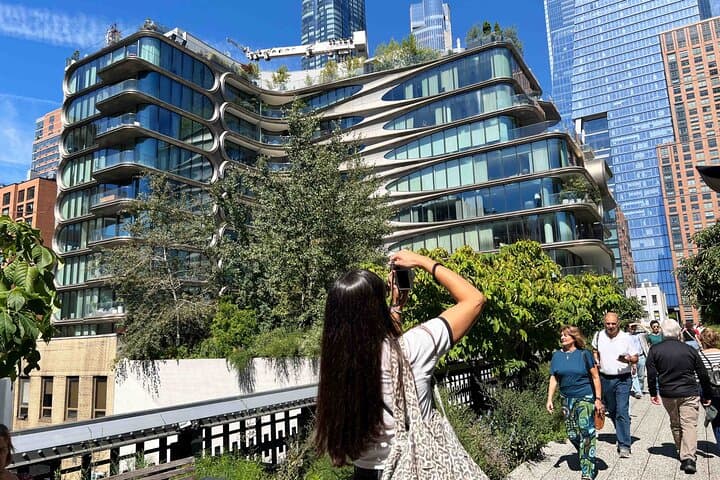
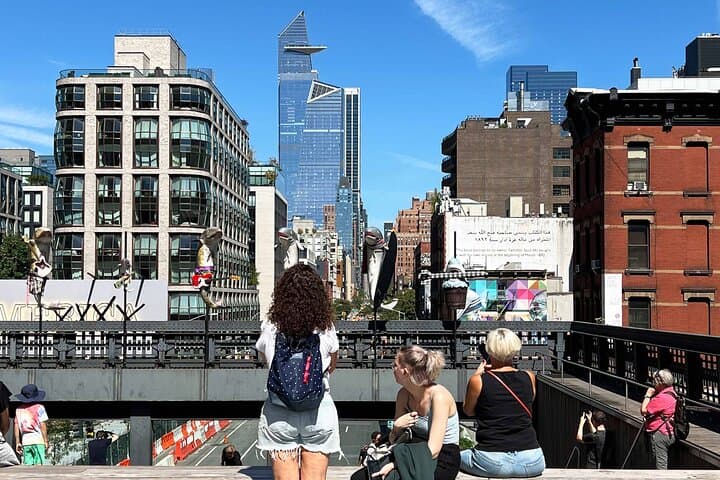
The tour begins at the southern edge of the High Line, where the city pulls itself up onto an old railbed and the Hudson River presses questions against glass facades. You step away from the street’s rush into a raised ribbon of green, and your guide—part critic, part local archaeologist of taste—introduces the skyline as if it were a collection of characters. Gehry’s rippling metal, Nouvel’s precise planes, and Zaha Hadid’s swoops converse across blocks; public sculpture punctuates the route like exclamation points.
Verified experiences and guided adventures in the surrounding area.
Operated by New York Art Tours · New York, NY
The tour begins at the southern edge of the High Line, where the city pulls itself up onto an old railbed and the Hudson River presses questions against glass facades. You step away from the street’s rush into a raised ribbon of green, and your guide—part critic, part local archaeologist of taste—introduces the skyline as if it were a collection of characters. Gehry’s rippling metal, Nouvel’s precise planes, and Zaha Hadid’s swoops converse across blocks; public sculpture punctuates the route like exclamation points.
Chelsea was industrial before it was fashionable: 19th-century warehouses and railroad yards once stored meat, railcars, and the city’s freight. Those bones remain visible in brick facades and loading docks, but they’ve been repurposed—gallery spaces, adaptive reuse projects, and discreet private museums stacked beside new-built towers. The High Line itself is a modern piece of urban geology, where native plantings and engineered terraces reclaim a linear ruin and give the neighborhood a spine for walking and viewing.
Art here is both inside and outside. Chelsea’s galleries, active mostly September through June, are where cutting-edge painting and installation work meet curators and collectors. The tour frequently slips into one or two exhibitions—when schedules and openings allow—so you experience the curatorial conversation in real time. On the High Line, public commissions and temporary sculpture programs shift the visual field: a minimalist intervention one season, a provocative installation the next. Your guide contextualizes each piece, explaining who commissioned it and why it matters in the larger story of the city’s creative economy.
Practical notes are woven into the story. Expect roughly two hours of mostly flat walking, but with intermittent stopping. The route generally starts near Gansevoort and Washington Streets and finishes in the mid-20s along 10th Avenue. Wear comfortable walking shoes and bring a compact rain layer—New York weather turns quickly. Tours operate rain or shine and are wheelchair accessible; they’re tailored to fit gallery hours and the cultural calendar, so the exact meeting and end points are confirmed by email the week before.
This is not a passive museum visit. It’s a paced, observational walk that teaches you to read buildings, public art, and urban change. Photography is encouraged—bring a fully charged phone or camera—and be ready for close reading: façade details, repurposed industrial elements, and small plaques that tell big stories. Whether you’re an architecture buff, an art-lover, or a newcomer wondering why Chelsea hums, the tour gives you both the language and the map to move through the neighborhood with purpose.
easy.
2 hours.
Suitable for most fitness levels; requires standing and walking on flat surfaces for up to two hours
The meeting point is near the High Line entrance at Gansevoort and Washington Streets; the exact location is emailed one week before the tour.
Admissions are not included; the tour may enter one or two galleries where no admission is required, or guide you to exhibitions you can visit independently.
Yes—surfaces and areas are wheelchair accessible and the route is mostly flat; notify the operator of accessibility needs when booking.
Shared group tours are capped at 10 travelers for an intimate experience and easy movement through gallery spaces.
Tours operate rain or shine; if weather causes a cancellation, you can cancel for a full refund up to 24 hours before the start time.
Guides are experienced critics and educators and can emphasize architecture, contemporary art, or the neighborhood’s history on private bookings or when requested in advance.
Chelsea grew from 19th-century industrial and railroad uses into a major gallery district; the High Line reclaimed obsolete rail infrastructure as public space and sparked much local redevelopment.
The High Line Conservancy manages plantings and public programs to balance visitor use with native species restoration; visitors are asked to stay on paths and respect gallery rules to protect artworks and landscapes.
New York Art Tours operates guided outdoor trips and adventures with an emphasis on safety, stewardship, and memorable experiences.
The tour begins at the southern edge of the High Line, where the city pulls itself up onto an old railbed and the Hudson River presses questions against glass facades. You step away from the street’s rush into a raised ribbon of green, and your guide—part critic, part local archaeologist of taste—introduces the skyline as if it were a collection of characters. Gehry’s rippling metal, Nouvel’s precise planes, and Zaha Hadid’s swoops converse across blocks; public sculpture punctuates the route like exclamation points.
The tour begins at the southern edge of the High Line, where the city pulls itself up onto an old railbed and the Hudson River presses questions against glass facades. You step away from the street’s rush into a raised ribbon of green, and your guide—part critic, part local archaeologist of taste—introduces the skyline as if it were a collection of characters. Gehry’s rippling metal, Nouvel’s precise planes, and Zaha Hadid’s swoops converse across blocks; public sculpture punctuates the route like exclamation points.
Chelsea was industrial before it was fashionable: 19th-century warehouses and railroad yards once stored meat, railcars, and the city’s freight. Those bones remain visible in brick facades and loading docks, but they’ve been repurposed—gallery spaces, adaptive reuse projects, and discreet private museums stacked beside new-built towers. The High Line itself is a modern piece of urban geology, where native plantings and engineered terraces reclaim a linear ruin and give the neighborhood a spine for walking and viewing.
Art here is both inside and outside. Chelsea’s galleries, active mostly September through June, are where cutting-edge painting and installation work meet curators and collectors. The tour frequently slips into one or two exhibitions—when schedules and openings allow—so you experience the curatorial conversation in real time. On the High Line, public commissions and temporary sculpture programs shift the visual field: a minimalist intervention one season, a provocative installation the next. Your guide contextualizes each piece, explaining who commissioned it and why it matters in the larger story of the city’s creative economy.
Practical notes are woven into the story. Expect roughly two hours of mostly flat walking, but with intermittent stopping. The route generally starts near Gansevoort and Washington Streets and finishes in the mid-20s along 10th Avenue. Wear comfortable walking shoes and bring a compact rain layer—New York weather turns quickly. Tours operate rain or shine and are wheelchair accessible; they’re tailored to fit gallery hours and the cultural calendar, so the exact meeting and end points are confirmed by email the week before.
This is not a passive museum visit. It’s a paced, observational walk that teaches you to read buildings, public art, and urban change. Photography is encouraged—bring a fully charged phone or camera—and be ready for close reading: façade details, repurposed industrial elements, and small plaques that tell big stories. Whether you’re an architecture buff, an art-lover, or a newcomer wondering why Chelsea hums, the tour gives you both the language and the map to move through the neighborhood with purpose.