THE ADVENTURE COLLECTIVE® · Independent discovery and booking for outdoor travel

Learn traditional Moroccan wool weaving from local artisans in Chefchaouen’s blue medina. This 90-minute, small-group workshop covers spinning, loom setup, and a hands-on project you keep.
Learn traditional Moroccan wool weaving from local artisans in Chefchaouen’s blue medina. This 90-minute, small-group workshop covers spinning, loom setup, and a hands-on project you keep.
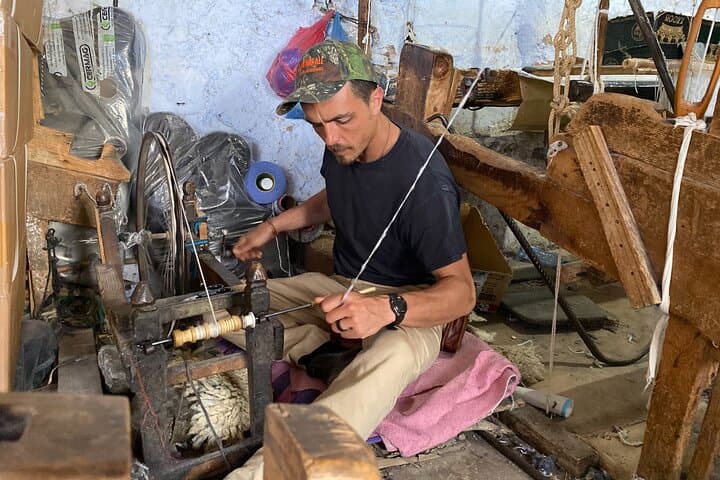
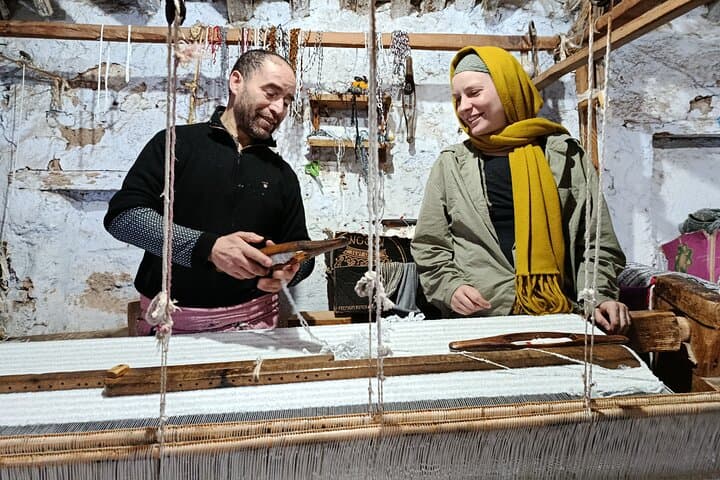
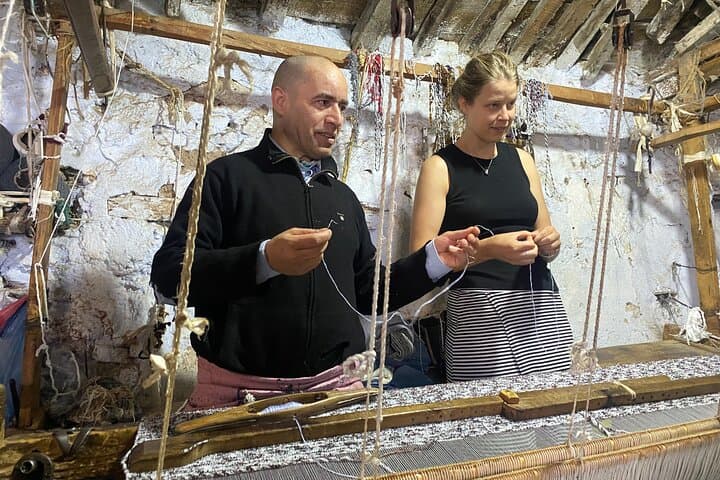
You step off a steep, flagstone alley and the painted walls close in: cool blues that sharpen the smell of carded wool and boiling dyes. Inside a low-ceilinged workshop, wooden looms click and a local artisan guides your hands to turn a spindle — the rhythm is steady, patient, human.
Verified experiences and guided adventures in the surrounding area.
Operated by Yalla Explore Morocco · Chefchaouen, Tanger-Tetouan-Al Hoceima
You step off a steep, flagstone alley and the painted walls close in: cool blues that sharpen the smell of carded wool and boiling dyes. Inside a low-ceilinged workshop, wooden looms click and a local artisan guides your hands to turn a spindle — the rhythm is steady, patient, human.
Chefchaouen sits in the Rif Mountains of northwest Morocco, a 15th-century kasbah town shaped by Andalusian refugees and mountain trade routes. The region’s geology — folded limestone ridges and terraced fields — has long supported small-scale shepherding and textile crafts. Wool weaving here is not merely decorative: it’s a living practice connecting local sheep flocks, hand-dyed pigments, and centuries of Berber and Andalusian techniques.
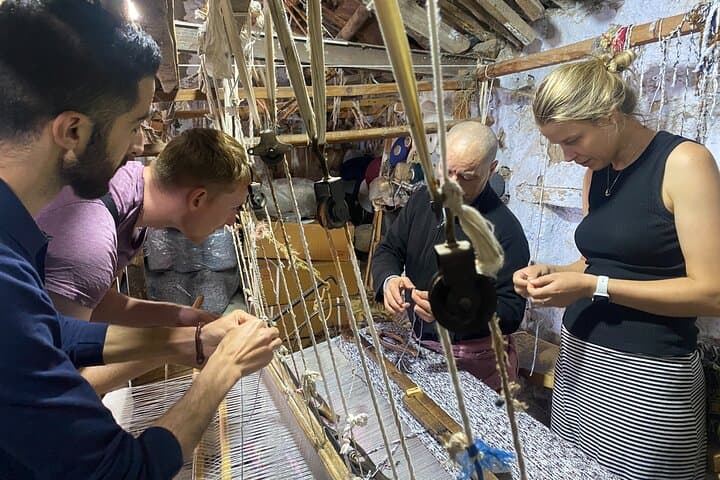
In a 90-minute workshop, participants move from raw fiber to a finished coaster or wall hanging: preparing fleece, trying a spinning wheel, tensioning a simple loom, and learning a few basic patterns. The class size is small, often three or fewer, which means plenty of one-to-one instruction and time to ask about materials or meaning behind motifs.
Practical notes: the streets into the medina are uneven — wear stable shoes and keep any purchases in a crossbody bag. Bring small cash for tips or extra materials and ask before photographing individuals. Summer afternoons can be hot; morning sessions are cooler and better for dye demonstrations. The experience suits curious travelers who want tactile, cultural immersion with a clear, hands-on takeaway.
easy.
1.5 hours.
Suitable for most travelers; involves standing and fine-motor activity but no strenuous exertion.
No — the workshop is designed for beginners and the instructor guides each step from spinning to basic weaving.
Groups are small (often up to three), allowing hands-on attention and time to finish a small project.
Many medina buildings have narrow doorways and steps; contact the operator ahead to discuss accessibility and possible alternatives.
Yes — artisans often sell yarn, dyed fibers, and finished items; bring cash for purchases and shipping arrangements if needed.
Chefchaouen developed in the 15th century as a mountain kasbah and grew with Andalusian influences; the blue-painted medina became a distinctive mid-20th-century practice with several proposed origins.
Support local artisans by buying directly and favor naturally dyed, locally sourced wool; avoid single-use plastics while visiting the medina.
Yalla Explore Morocco operates guided outdoor trips and adventures with an emphasis on safety, stewardship, and memorable experiences.
You step off a steep, flagstone alley and the painted walls close in: cool blues that sharpen the smell of carded wool and boiling dyes. Inside a low-ceilinged workshop, wooden looms click and a local artisan guides your hands to turn a spindle — the rhythm is steady, patient, human.
You step off a steep, flagstone alley and the painted walls close in: cool blues that sharpen the smell of carded wool and boiling dyes. Inside a low-ceilinged workshop, wooden looms click and a local artisan guides your hands to turn a spindle — the rhythm is steady, patient, human.
Chefchaouen sits in the Rif Mountains of northwest Morocco, a 15th-century kasbah town shaped by Andalusian refugees and mountain trade routes. The region’s geology — folded limestone ridges and terraced fields — has long supported small-scale shepherding and textile crafts. Wool weaving here is not merely decorative: it’s a living practice connecting local sheep flocks, hand-dyed pigments, and centuries of Berber and Andalusian techniques.
In a 90-minute workshop, participants move from raw fiber to a finished coaster or wall hanging: preparing fleece, trying a spinning wheel, tensioning a simple loom, and learning a few basic patterns. The class size is small, often three or fewer, which means plenty of one-to-one instruction and time to ask about materials or meaning behind motifs.
Practical notes: the streets into the medina are uneven — wear stable shoes and keep any purchases in a crossbody bag. Bring small cash for tips or extra materials and ask before photographing individuals. Summer afternoons can be hot; morning sessions are cooler and better for dye demonstrations. The experience suits curious travelers who want tactile, cultural immersion with a clear, hands-on takeaway.